Morocco
Morocco Faces Pressure to Decriminalize Homosexuality as Penal Code Reform Looms
In recent weeks, human rights defenders have spoken out, calling for the outright repeal of laws criminalizing adultery and homosexuality in Morocco.

In recent weeks, human rights defenders have spoken out, calling for the outright repeal of laws criminalizing adultery and homosexuality in Morocco.
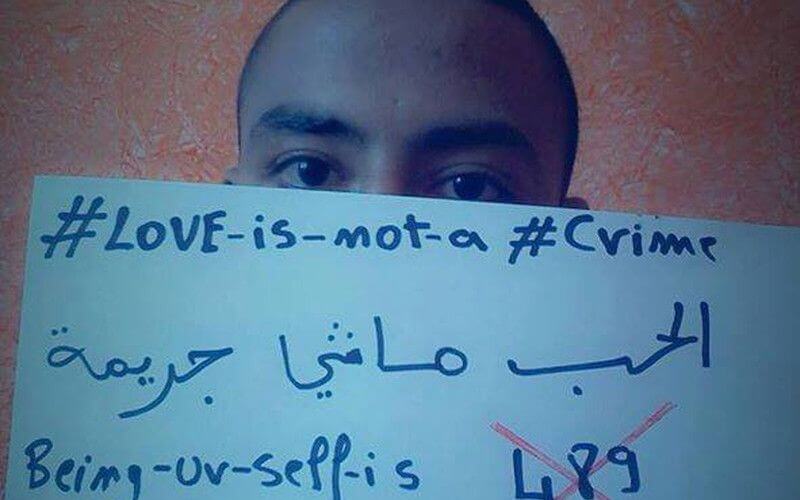
The 490 collective is getting into the dance and is calling for the withdrawal of all laws that undermine individual freedoms. A campaign called L7hob Machi Jarima accompanied by the filing of a petition to Parliament is announced.
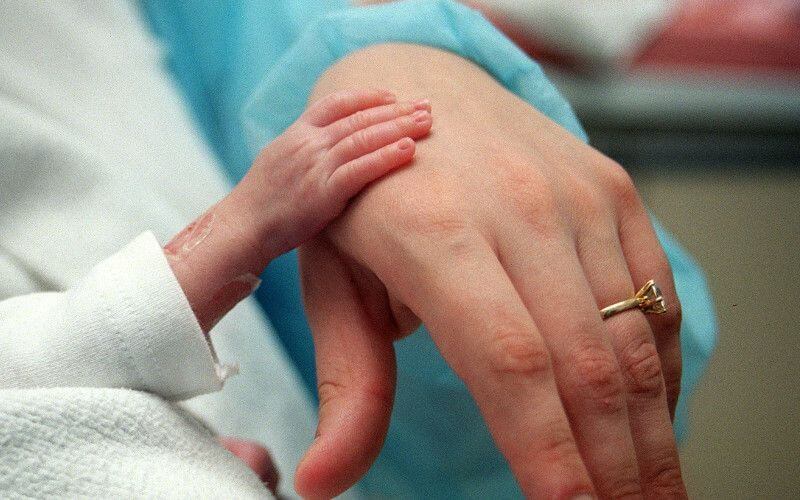
The debate on the legalization of abortion in Morocco has now reached the Supreme Council of Ulema. Still as conservative, they reaffirm their adherence to the conclusions of the royal commission created in 2015.
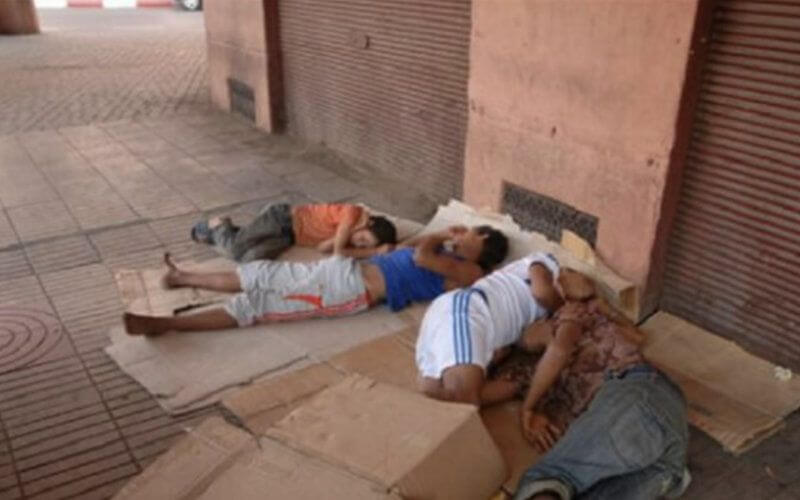
Several thousand children are abandoned each year by their families, plunging the "kingdom into an unprecedented state of schizophrenia," says activist Aïcha Chenna .
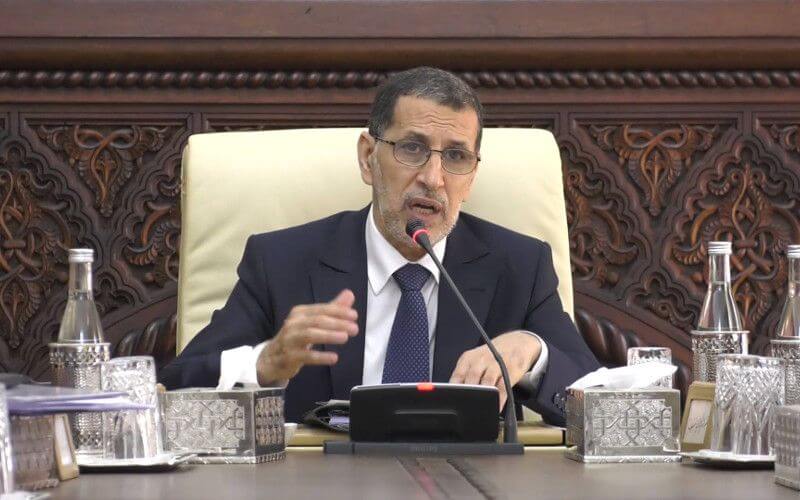
Facing the bigwigs of his party, Saâd Eddine El Othmani, President of the Party of Justice and Development (PJD), reacted to the recommendation of the National Council for Human Rights (CNDH) on the right to terminate unwanted pregnancies.
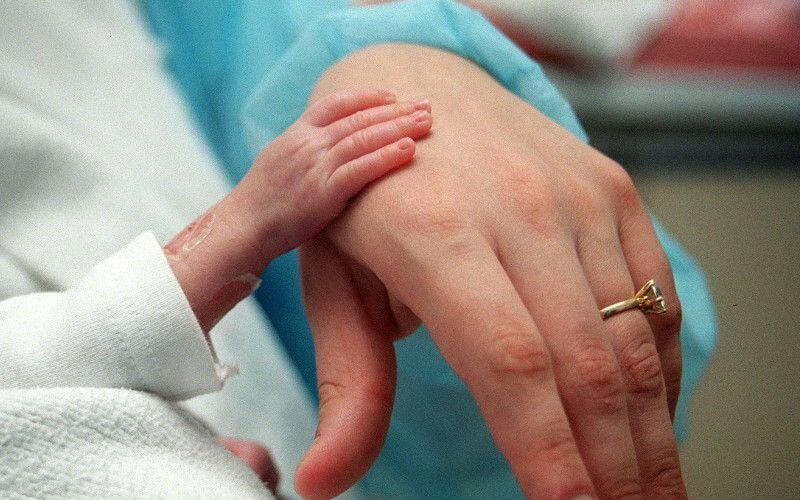
The National Human Rights Council (CNDH) is preparing to present this week to the Parliament and the parliamentary groups of both Houses a Memorandum of amendments on the subject of medicalized abortion. Its proposals on the draft law relating to the Penal Code can be consulted on its website.
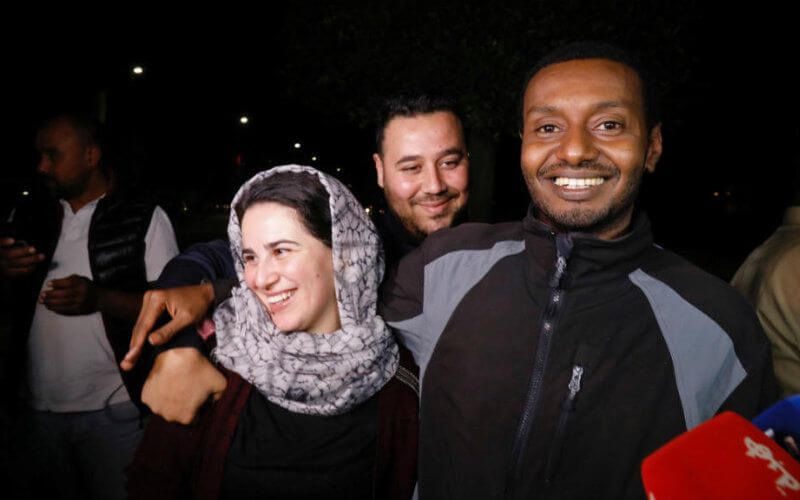
Journalist Hajar Raïssouni and her Sudanese fiancé were married on Thursday, October 31, in Rabat , after their release from prison.
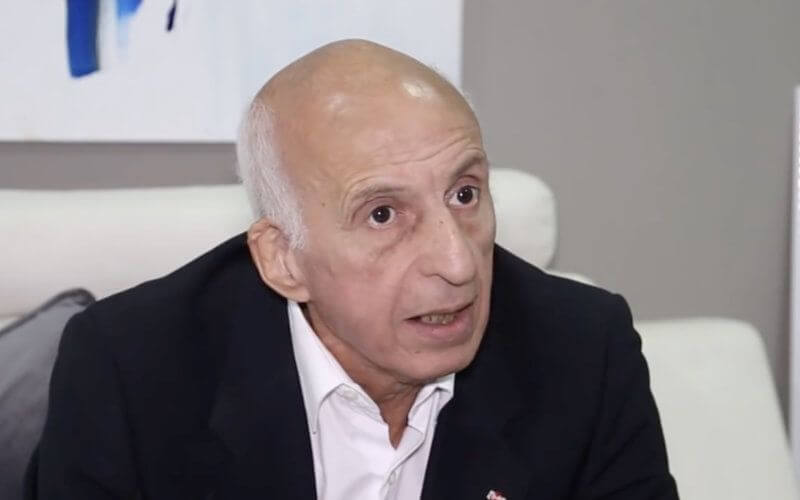
After being granted a royal pardon, gynecologist Mohamed Jamal Belkeziz, sentenced on September 30 to 2 years in prison and 2 years of ban from practicing his duties, for illegal abortion, in the "Hajar Raïssouni" case, has been released from prison. Between disappointment and regret, the doctor wants to take his time before putting on his gynecologist’s coat again.
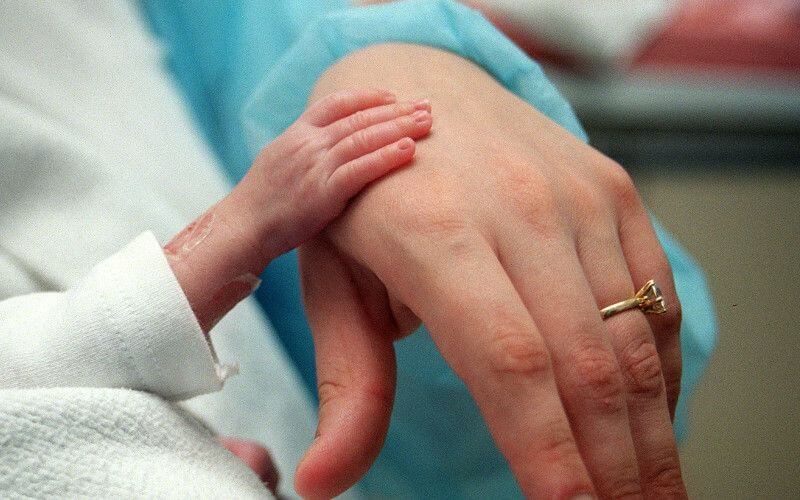
The parliamentary debate on the right to abortion has been postponed again. Parliamentary groups refuse to participate in the debate on this issue and refer to the amendments of the Royal Commission tasked with conducting consultations in this regard.
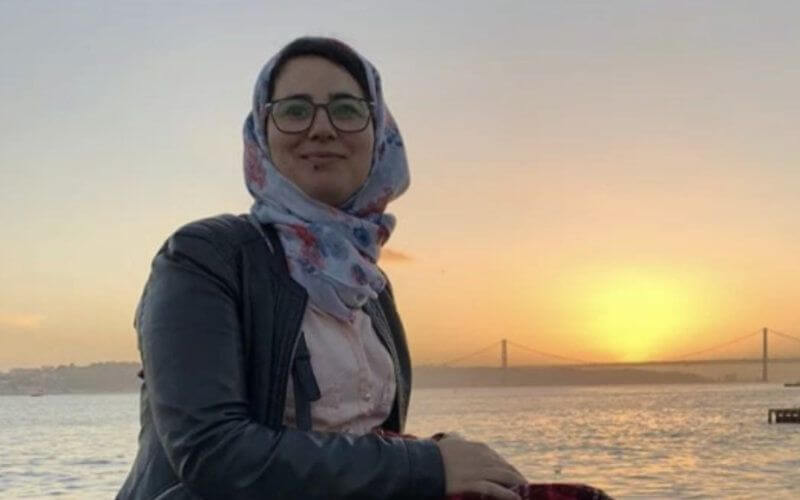
We now know the verdict in this case that has sparked the most heated controversy in recent weeks. On Monday, September 30, the Court of First Instance in Rabat sentenced Hajar Raïssouni to one year in prison, for "sexual relations outside of marriage and illegal abortion".
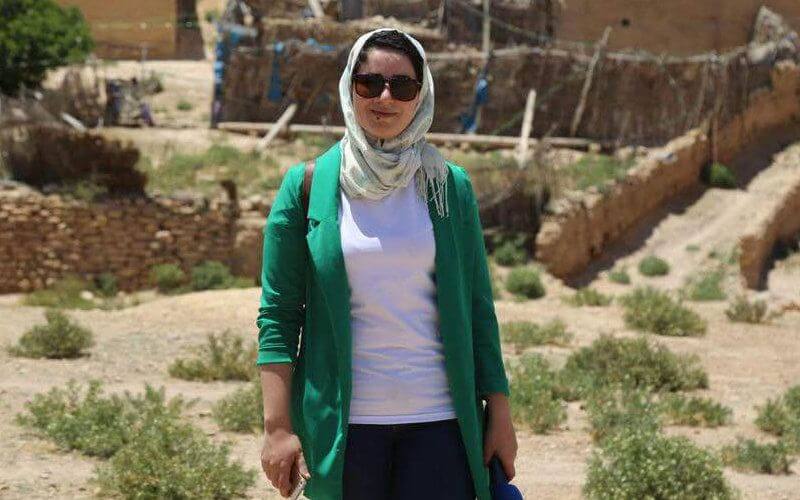
For a month now, in Morocco, the case of " Hajar Raissouni ", the journalist imprisoned for "illegal abortion" and "extramarital sexual relations", has mobilized civil society against repressive laws. Chafik Chraïbi, President of the Moroccan Association for the Fight against Clandestine Abortion, could not remain on the sidelines of this issue that is the subject of great debate. In an interview with the French newspaper Libération, the gynecologist-obstetrician shared his explanations on the subject.
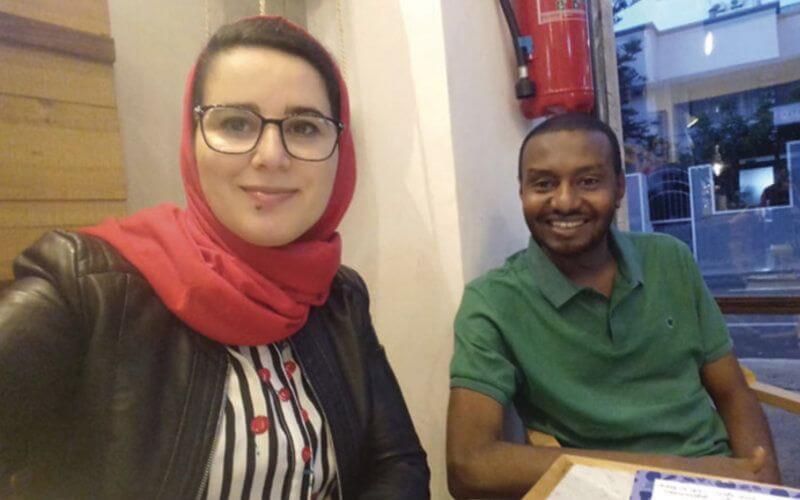
The Court of First Instance in Rabat has decided to take the "Hajar Raïssouni" case under advisement until September 30. The flagrante delicto is nevertheless maintained despite the presentation of formal requests by the journalist’s defense.