Morocco
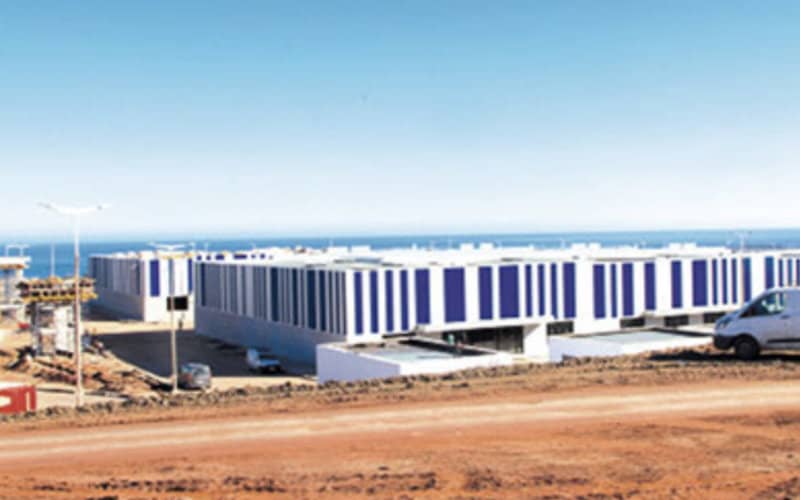
Morocco's Fnideq Free Trade Zone Set to Launch Operations in February
The work for the realization of the first part of the Fnideq free zone is completed and the start of activities is scheduled for this month of February.

The work for the realization of the first part of the Fnideq free zone is completed and the start of activities is scheduled for this month of February.
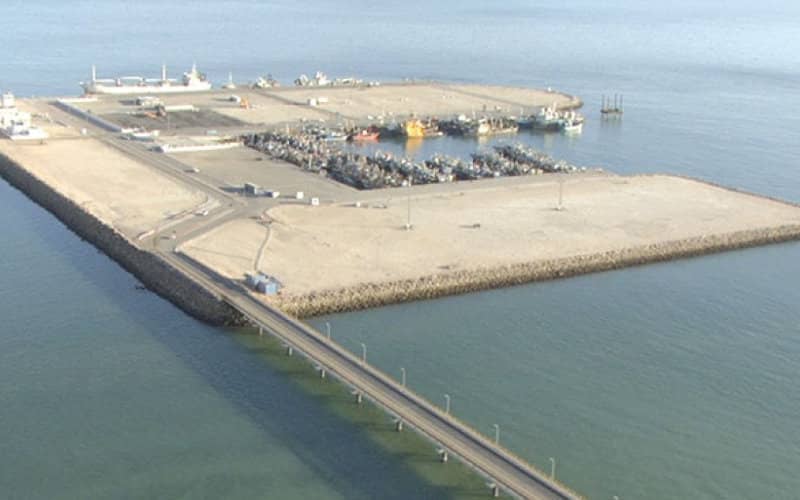
Through the construction of the Dakhla Atlantique port, a structuring mega-project of the new development model of the southern provinces, Morocco aims to be a new strategic site to confirm its African anchoring.
Morocco is considering retaliatory measures against Egypt, accusing it of pursuing a "blocking" policy against Moroccan products. A situation that costs the kingdom some 6 billion DH annually.
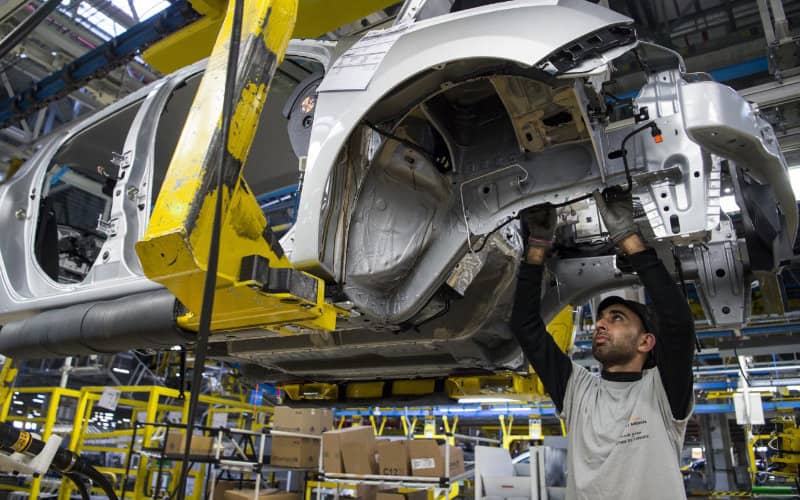
The current movement that industrial value chains are adhering to could be beneficial for Morocco. In an interview with the MAP agency, Amine Laghidi, president of the Moroccan Association of Exporters (Asmex) center, addresses the challenges of this relocation and the interest of co-industrialization between different economies and the Kingdom.
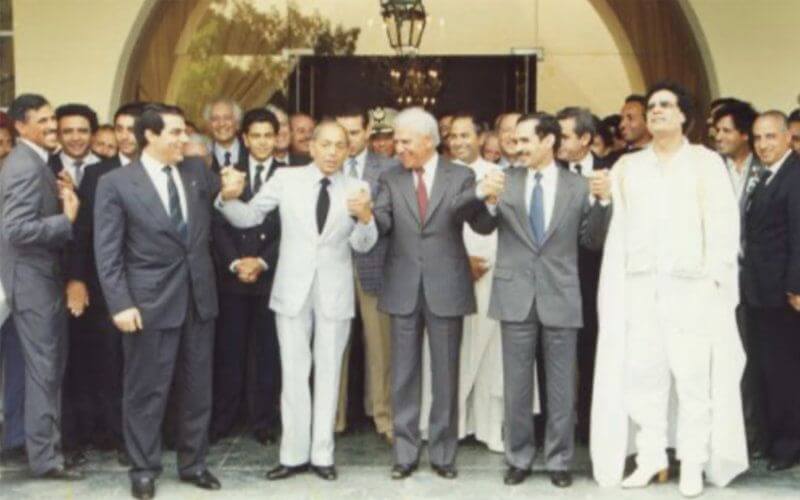
25 years after their last meeting in Tunisia, a summit of the Heads of State of the five Arab Maghreb countries will be held in February 2020 in the Ethiopian capital, Addis Ababa. The information has just been revealed by the Secretary General of the Union, Tayeb El Bakkouch.
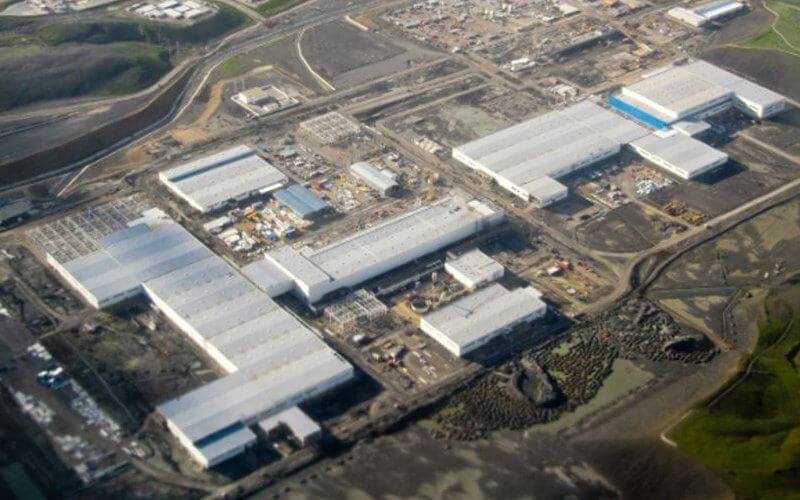
The draft decree amending the one establishing the free zone, Tanger automotive city , has been validated by the Council of Government. This paves the way for the extension of this free zone, whose area is about to triple.
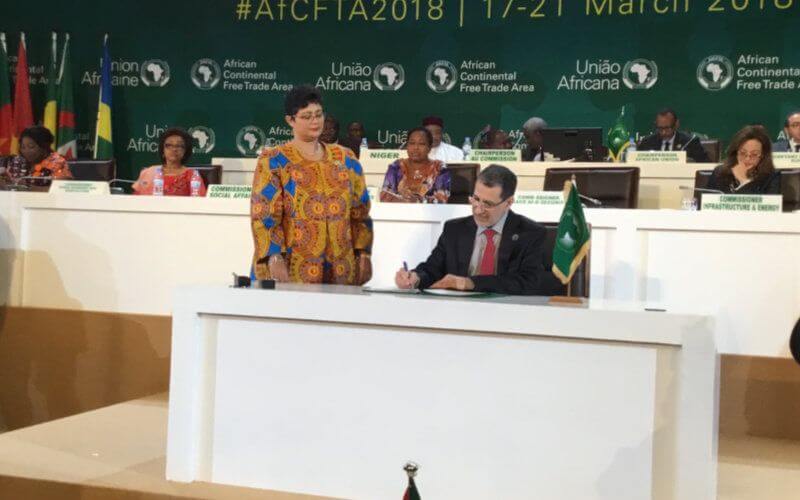
On July 7 and 8, 2019, the Summit of African Union Heads of State was held at the Niamey Congress Palace, the capital of Niger. No less than 31 Heads of State participated in the implementation of the agreement on the creation of the Continental Free Trade Area (CFTA).
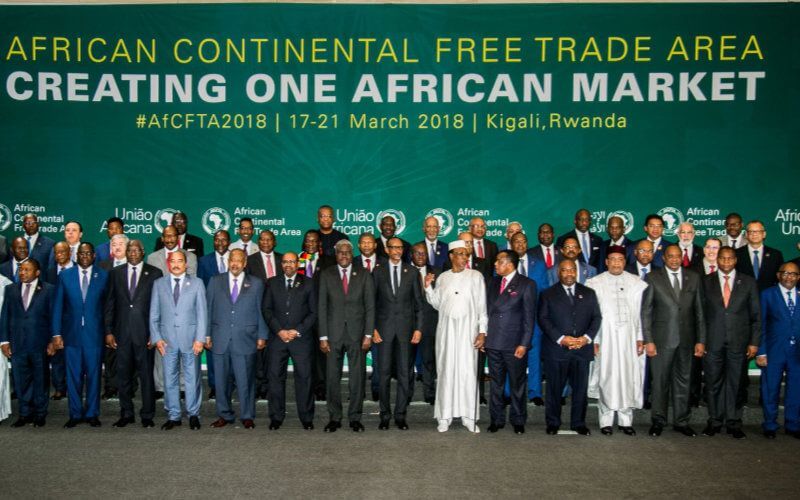
Ratified by 24 countries, including Morocco, the African Continental Free Trade Area (AfCFTA) has been in force since May 30. Its objective is to increase intra-African trade by 60% by 2022.