Morocco Spain Sheep Imports Meat Price Crisis
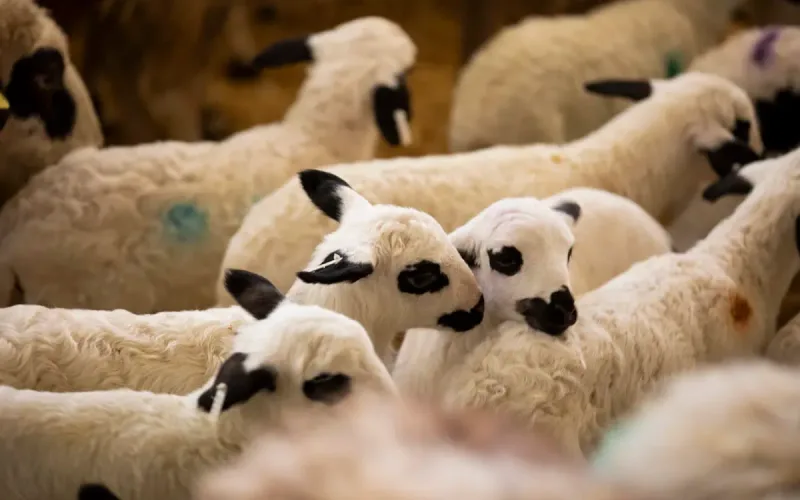
As Morocco examines reopening sheep imports from Europe, Moroccan operators are already positioning themselves in Spain. Their goal: to quickly secure sheep supplies amid a surge in red meat prices.
As Morocco examines reopening sheep imports from Europe, Moroccan operators are already positioning themselves in Spain. Their goal: to quickly secure sheep supplies amid a surge in red meat prices.
Donald Trump’s decision to temporarily suspend certain tariffs on Moroccan phosphate fertilizers is being closely watched in Spain. For part of the Spanish press, this move further strengthens Morocco at a time when European farmers are already denouncing rising costs.

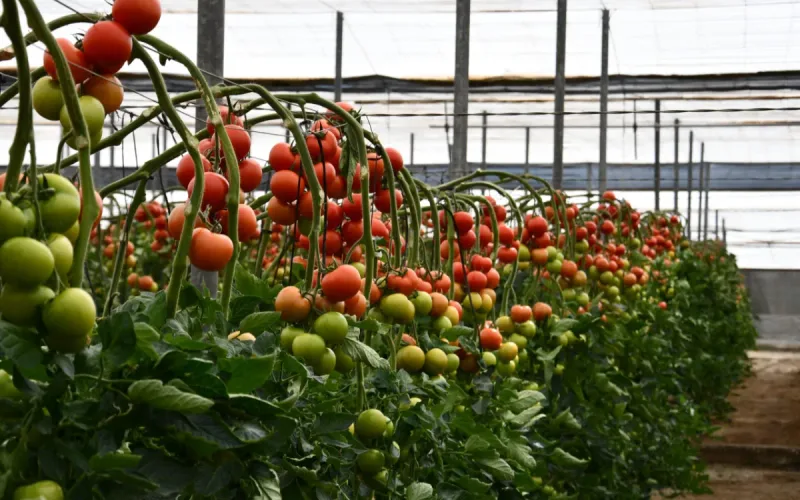
Spain is concerned about Morocco’s growing power in the global tomato market. In less than ten years, Moroccan exports have increased significantly , while Spanish sales have plummeted, to the point of shifting the balance between the two countries.

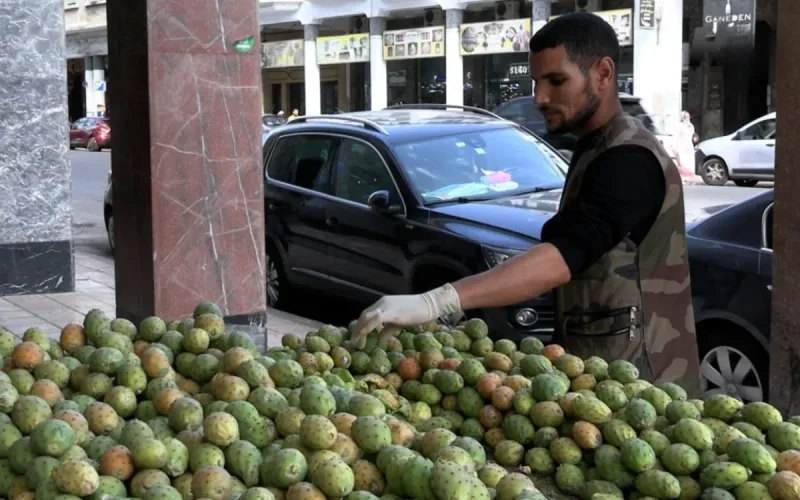
Once prized by modest households, the prickly pear is now displaying exorbitant prices . This surge, fueled by speculation and pest insects, deprives Moroccans of this traditional fruit.

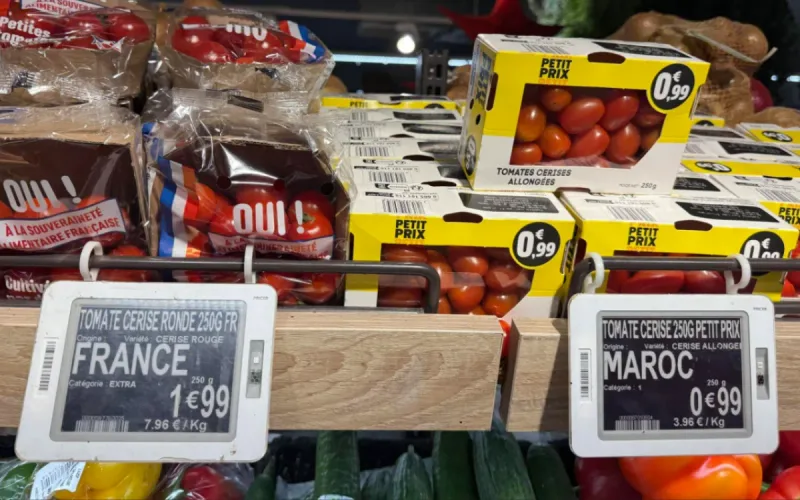
Despite a year of negotiations, French producers have obtained no restrictions on Moroccan tomato volumes . The recent signing of a joint declaration rules out any constraints on shipment seasonality, cementing a true status quo.

The government categorically rejects the introduction of a permit system for owning dangerous dogs. The Minister of Agriculture maintains the strict prohibition of these mastiffs, sweeping aside the regulation proposed to Parliament by PJD deputies.

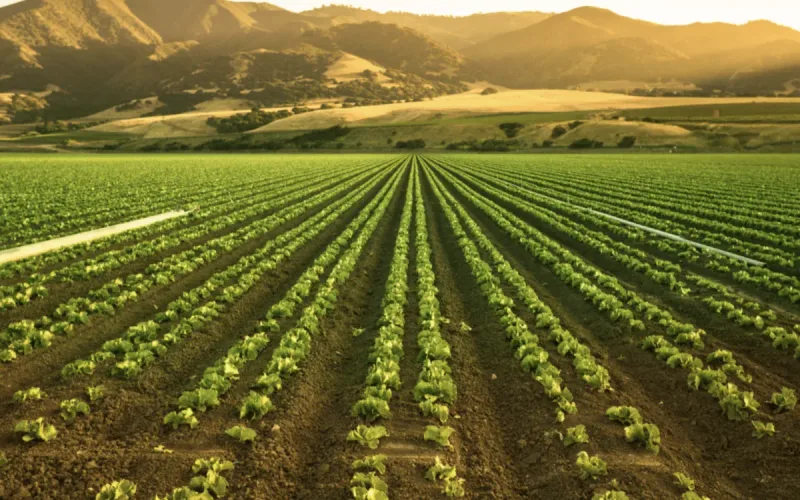
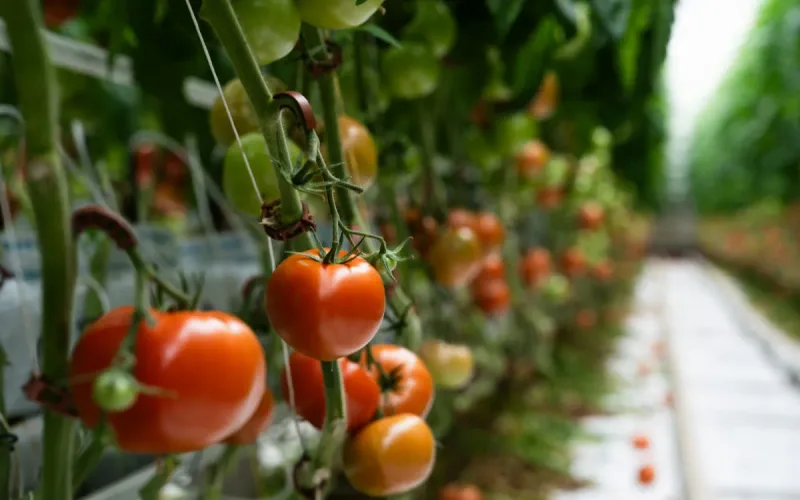
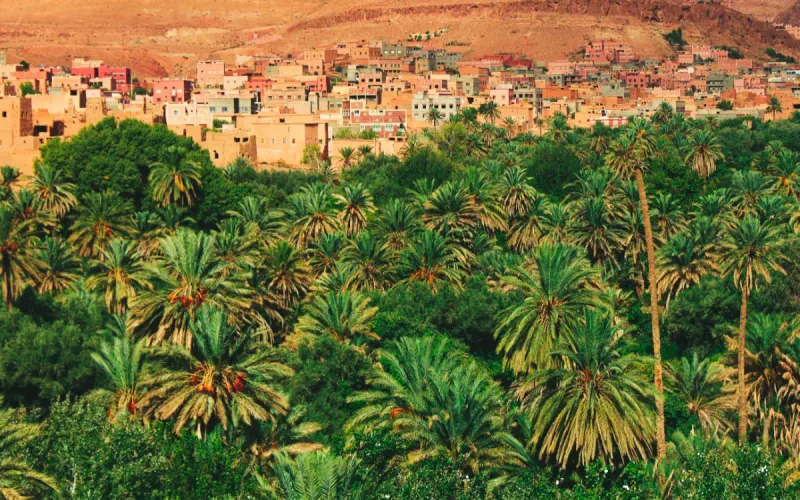
Spanish agriculture, long the queen of Europe, sees its supremacy falter. Facing rising labor costs, tightening ecological standards, and aggressive competition from Morocco , the Andalusian model of giant greenhouses is running out of steam.

The price gaps between Spanish agricultural products and Moroccan imports are causing major concern in the sector. Production costs and consumers’ limited budgets disadvantage local supply against this fierce competition.

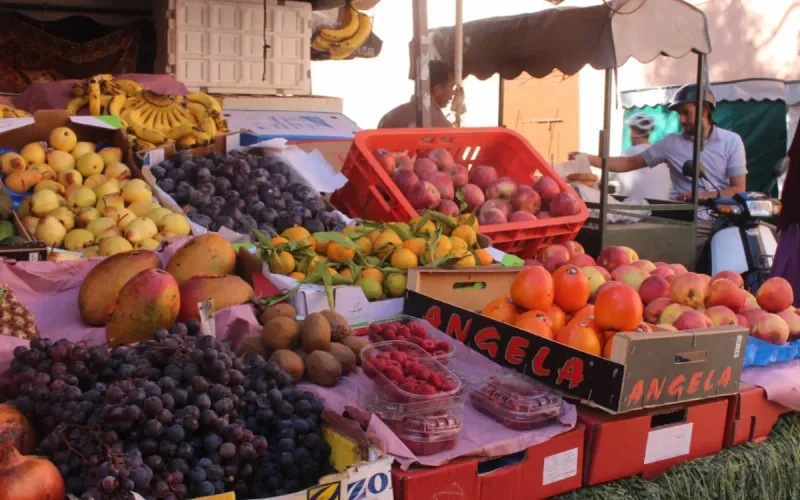
Vegetable prices are dropping drastically on Moroccan markets. This spectacular decline masks temporary overproduction linked to climatic and calendar factors, pushing farmers to sell their harvests below production costs.

Driven by the agricultural sector, the Moroccan economy is displaying growth of 4.9% in 2025 . This dynamic makes it possible to offset the slowdown in household consumption and other service activities.

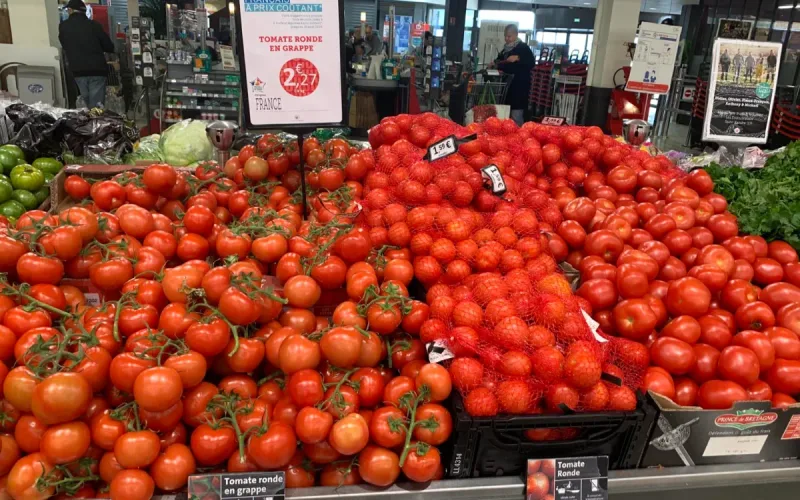
Facing soaring prices, Moroccan agricultural exports offer unexpected relief to French consumers. Low-cost imported tomatoes are curbing inflation in supermarkets, despite growing anger from producers in mainland France.

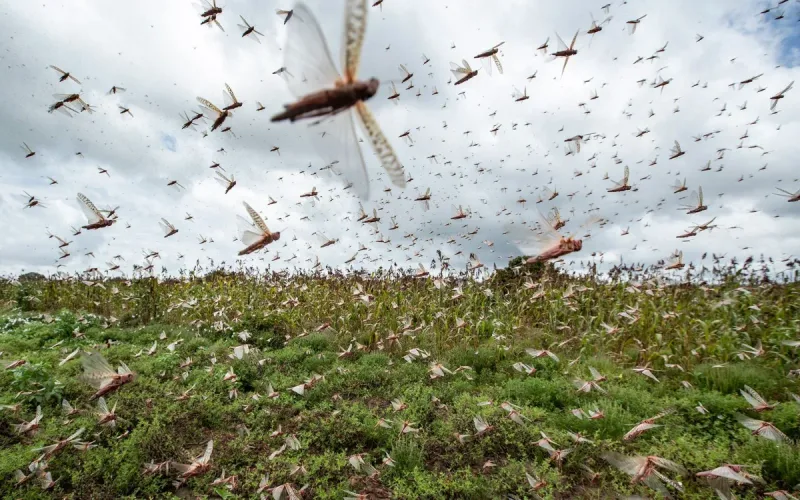
After years of drought, recent rainfall in southeastern Morocco has revived pastures. But this providential moisture has triggered a massive invasion of desert locusts , now threatening crops and tourism in Errachidia.