Morocco
Health Concerns Spark Boycott of Algerian Dates in Morocco Ahead of Ramadan
A few days before the start of Ramadan, a new campaign to boycott Algerian dates has been launched in Morocco because they would pose a major health risk.

A few days before the start of Ramadan, a new campaign to boycott Algerian dates has been launched in Morocco because they would pose a major health risk.
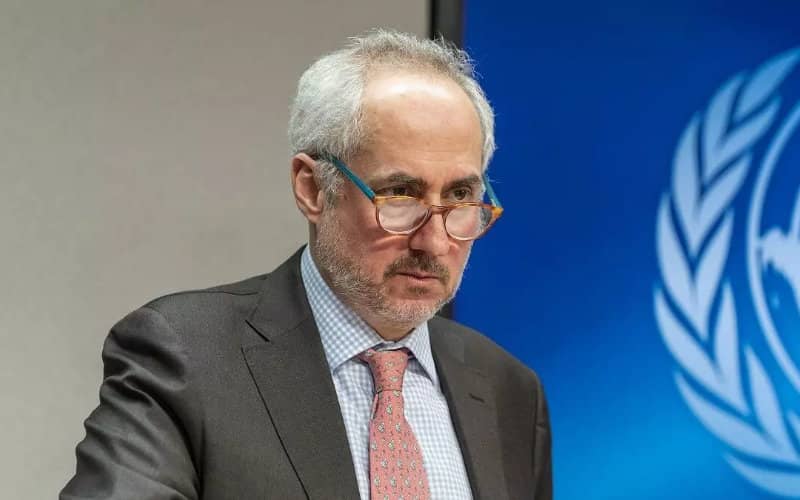
In reaction to Spain’s change of position on the Sahara , the UN spokesman, Stéphane Dujarric, called on the parties to the conflict (Morocco and the Polisario) and the interested parties (Algeria, Spain, China...) to support the efforts of the special envoy for the Sahara, Staffan de Mistura, "to relaunch the political process" to resolve the conflict.

The Liège Correctional Court has sentenced a Moroccan considered a computer genius to a three-year prison sentence and a 15,000 euro fine for his involvement in a large-scale SMS fraud scheme from Morocco.
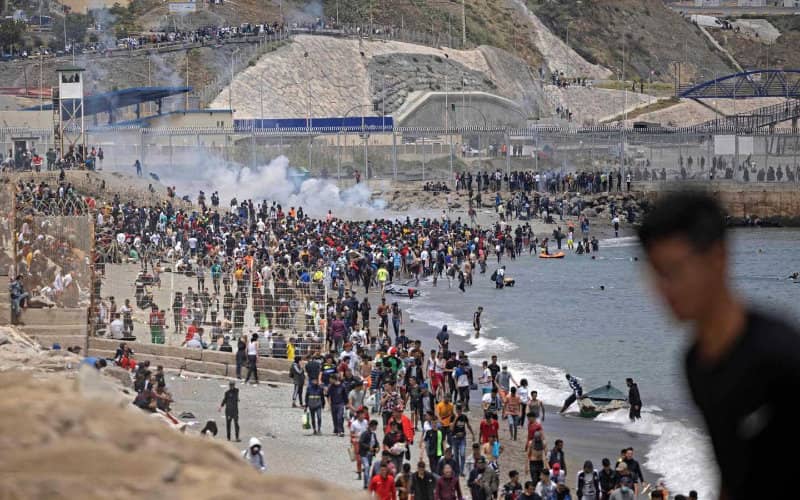
Spain would have accepted to support the Sahara autonomy plan and end tensions with Morocco due to the influx of refugees it could face during this period of the Ukrainian crisis.
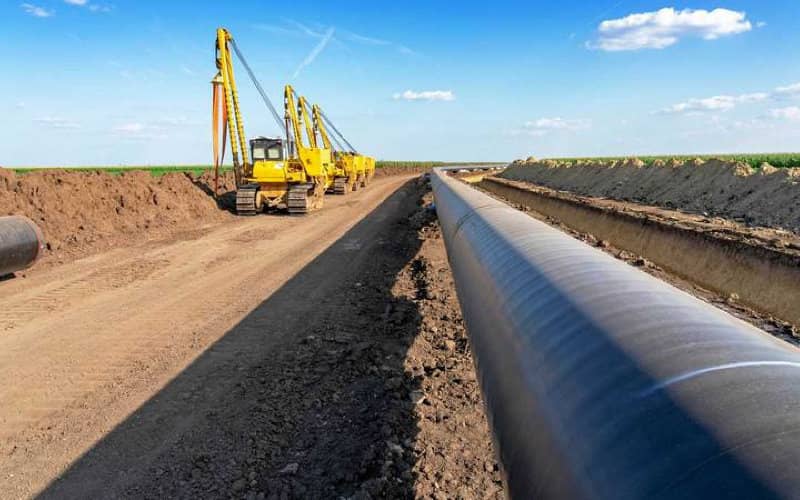
The Spanish government believes that Algeria, as the third largest gas supplier in Europe and the main supplier to Spain and Italy, cannot afford to stop exporting gas and thus lose the opportunity offered by the war in Ukraine to improve its strategic position.
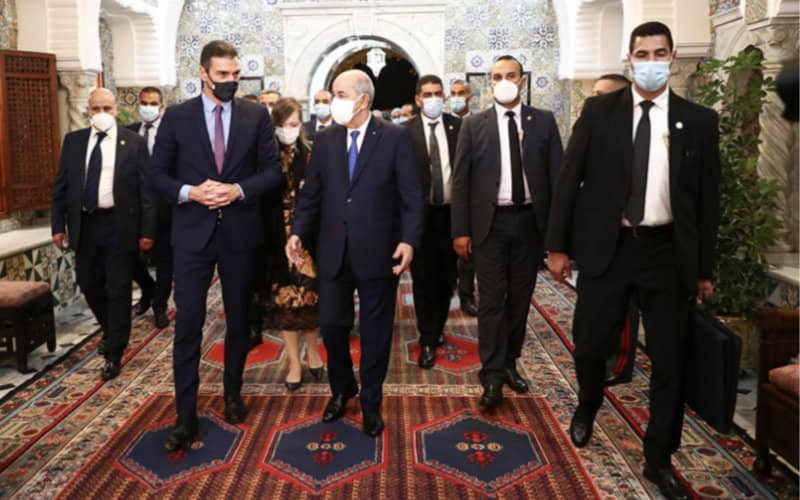
Algeria wants Spain to reverse its decision to support Morocco’s autonomy plan for the Sahara . To do this, it would be willing to deprive the peninsula of gas.
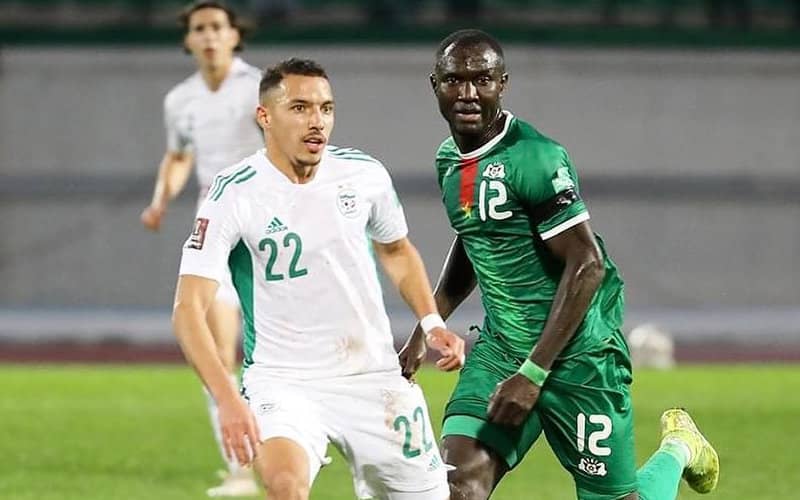
Algeria and Morocco fought over the player Ismael Bennacer . The latter chose to wear the Greens jersey instead of the Moroccan national team.
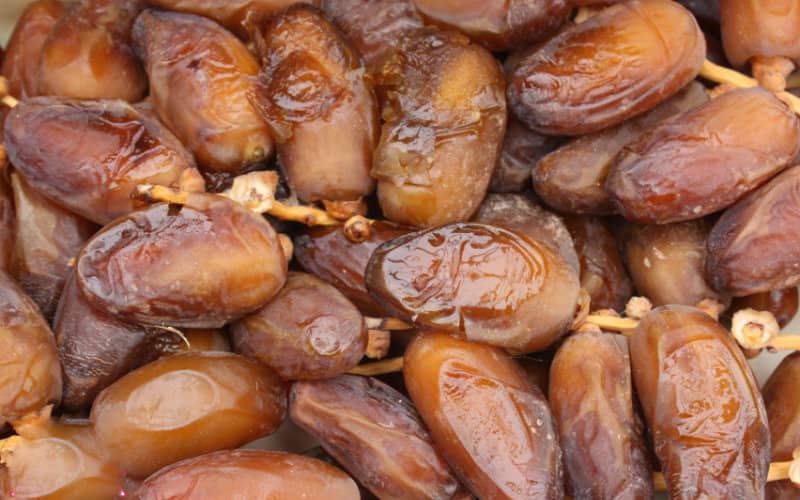
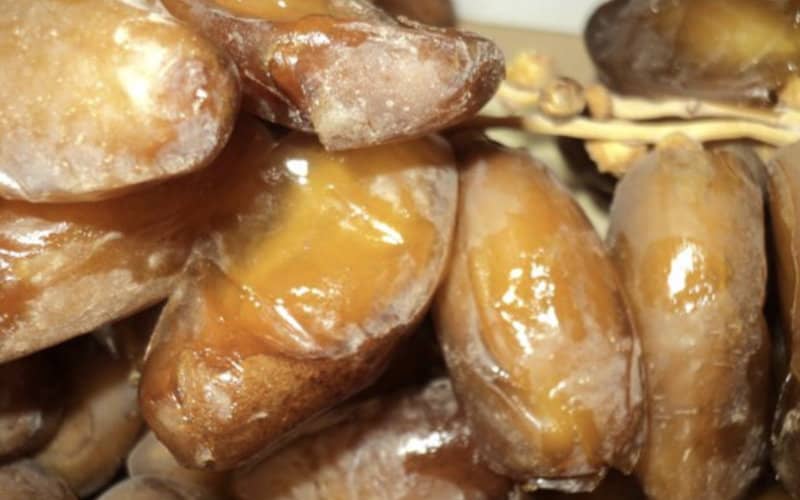
As Ramadan begins in a few days, Moroccan Internet users have launched a boycott campaign of Algerian dates - a fruit heavily consumed during the holy month - on social media. The origin of this boycott is a public health issue.
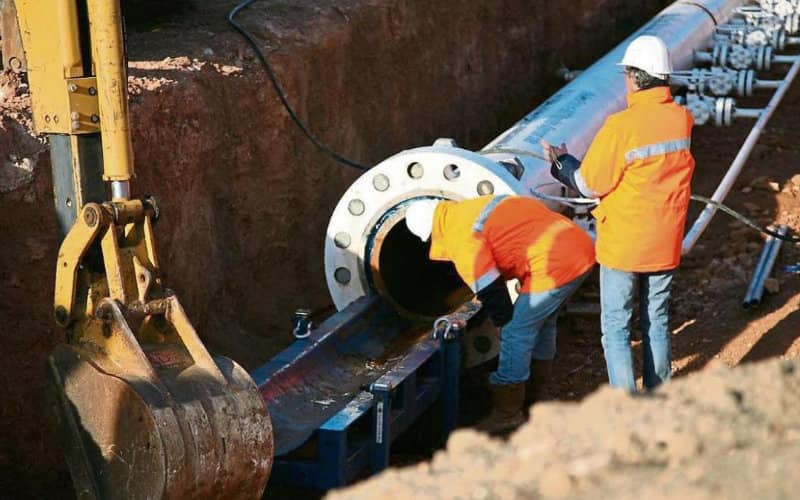
The Spanish government "hopes" that its change of position on the Sahara will not affect the country’s gas supply from Algeria, its main supplier.
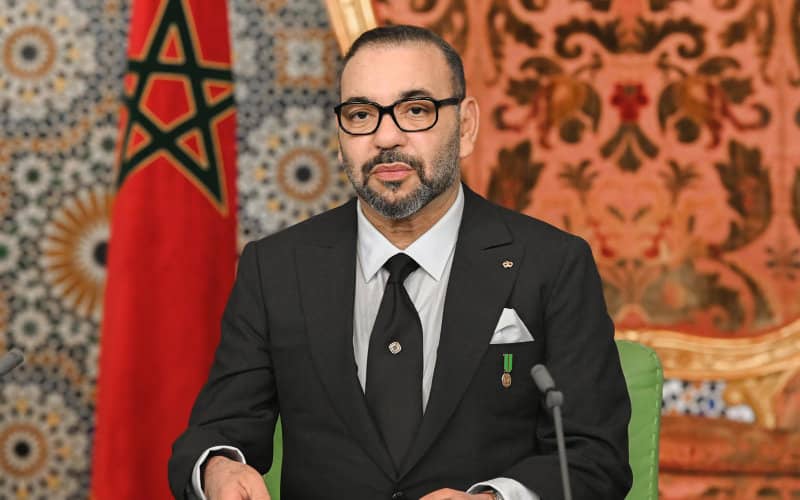
After fifteen months of pressure, King Mohammed VI has finally achieved his goal of getting Spain to recognize Morocco’s sovereignty over the Sahara.
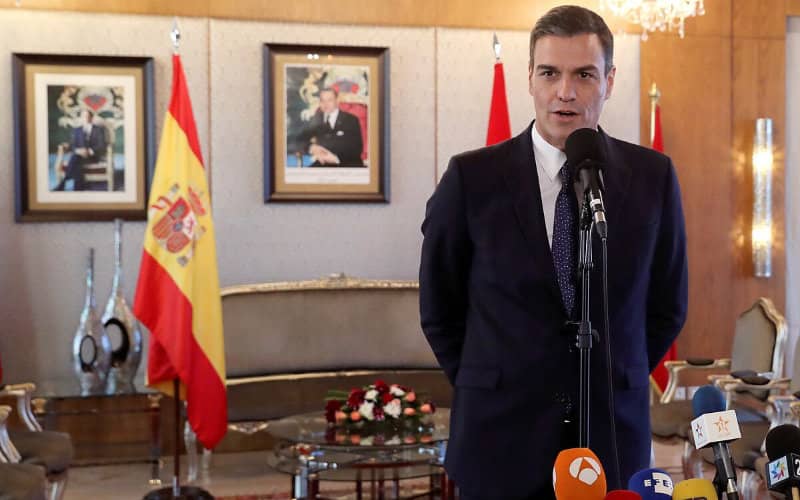
The Minister of Territorial Policy and government spokesperson, Isabel Rodriguez, assured that the decision to support the Moroccan autonomy plan for the Sahara will not affect its "solid" relationship with Algeria, a "strategic, reliable and friendly partner".
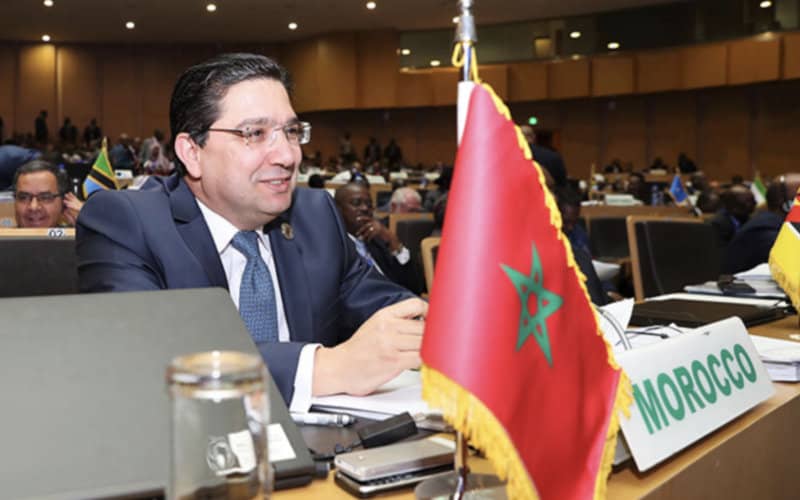
Algeria condemns Spain’s change of position on the Sahara , which it considers a "second betrayal" after that of 1975. It assures that it was not informed of this "vile bargaining" between Morocco and Spain.