Morocco
Morocco's Automotive Ambitions Surge, Aiming for 2 Million Cars Annually by 2030
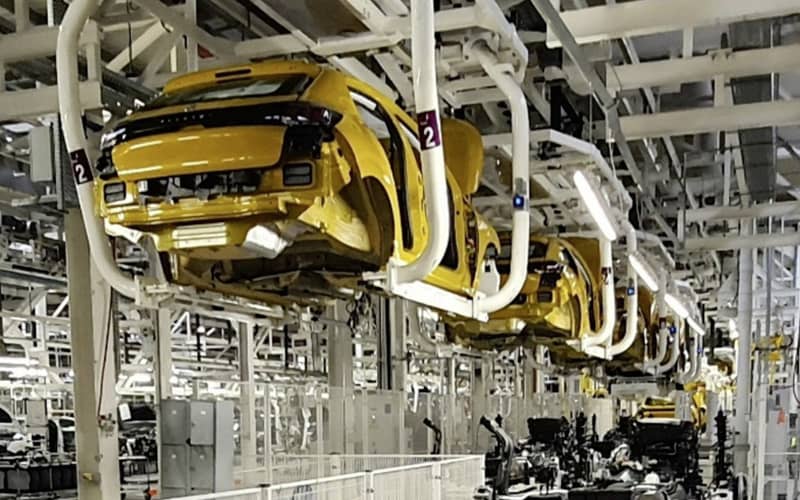
Morocco plans to increase its vehicle production capacity from 700,000 to two million per year by 2030. A commitment that is frightening Spain.

Morocco plans to increase its vehicle production capacity from 700,000 to two million per year by 2030. A commitment that is frightening Spain.
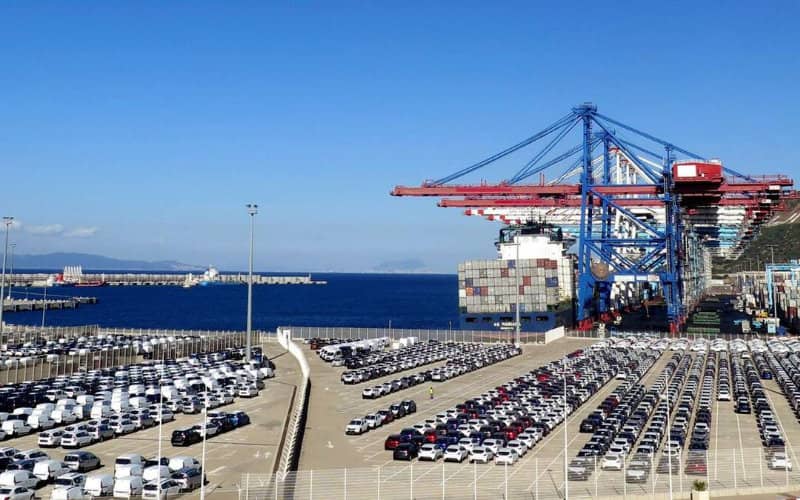
Moroccan automotive exports generated a turnover of 100.37 billion dirhams at the end of the first eleven months of the year, an increase of 35% compared to the same period in 2021.
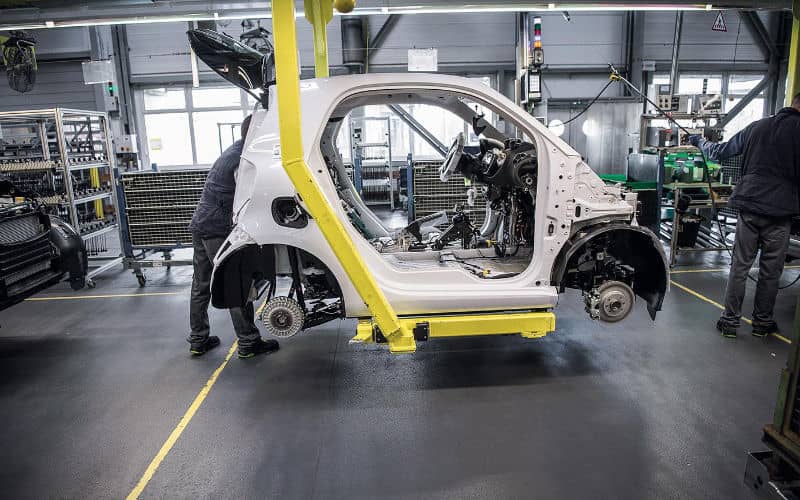
Morocco plans to locally manufacture Moroccan-branded cars . The project will start in the short term and will require a 100% Moroccan investment.
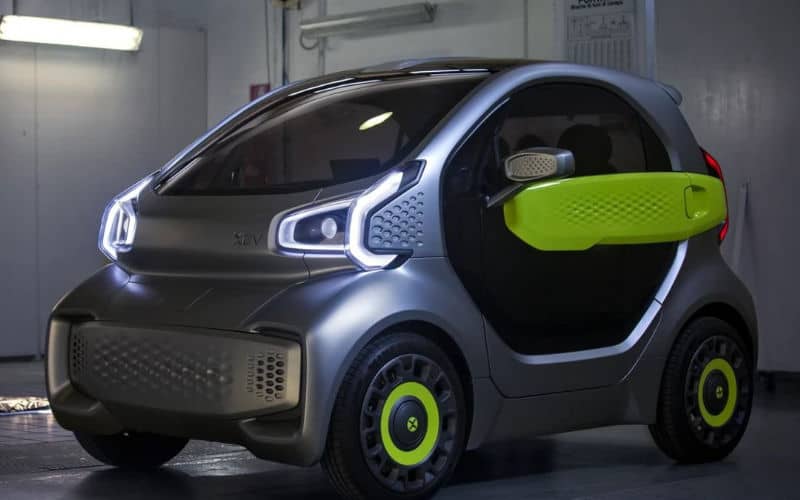
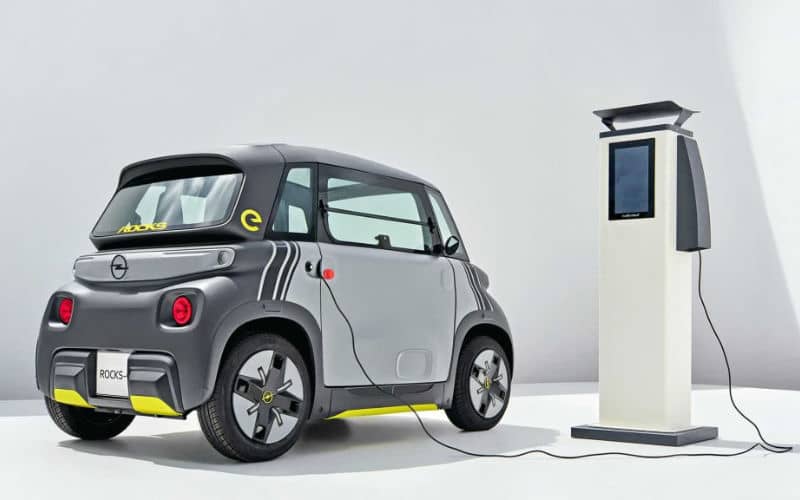
Distributed in Italy by Venetian Campello Motors, the 100% electric Chinese city car brand XEV will soon be produced in Morocco. Negotiations are underway.

Morocco is continuing its efforts to reduce the impact of pollution on citizens’ health and the environment. The Ministry of Transport and Logistics and the Department of Energy Transition and Sustainable Development have taken a joint decision banning the import and marketing of polluting vehicles.
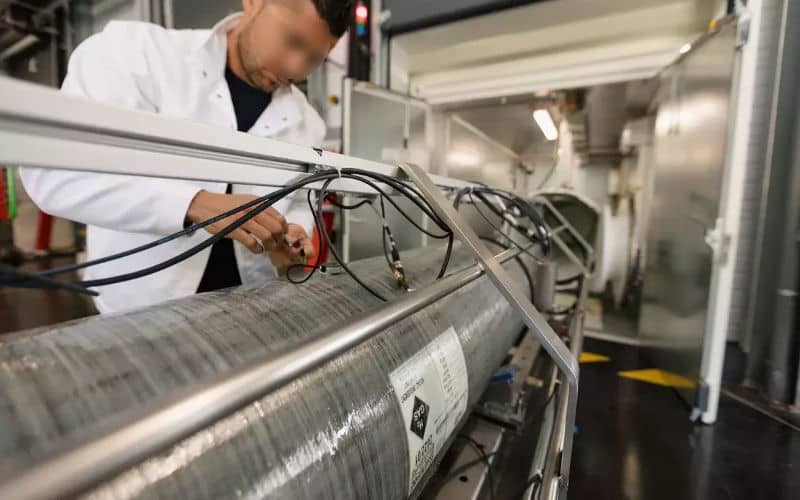
The French company Faurecia , specialized in the manufacture of automotive equipment, will strengthen its presence in Morocco, through the creation of a new plant in Salé. In this regard, a protocol of agreement has been signed between the group and the State.
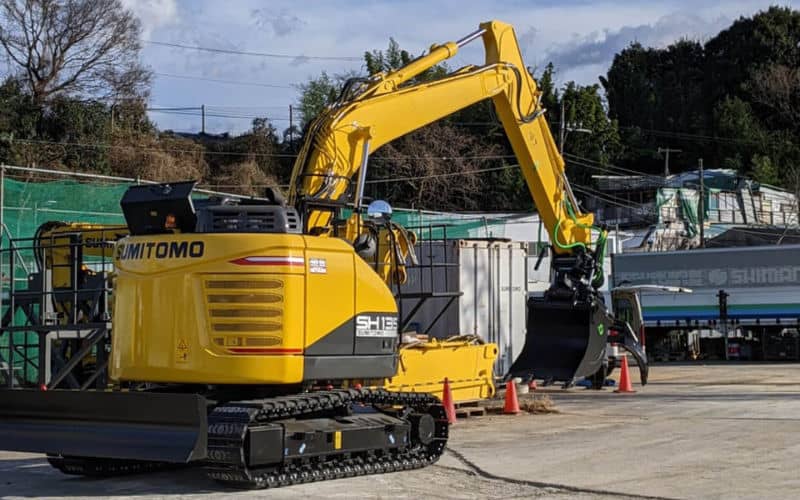
The Japanese company Sumitomo, specialized in the manufacture of automotive cables and components , will strengthen its presence in Morocco by increasing its investments. The group plans to build nine new units in different regions of the kingdom.
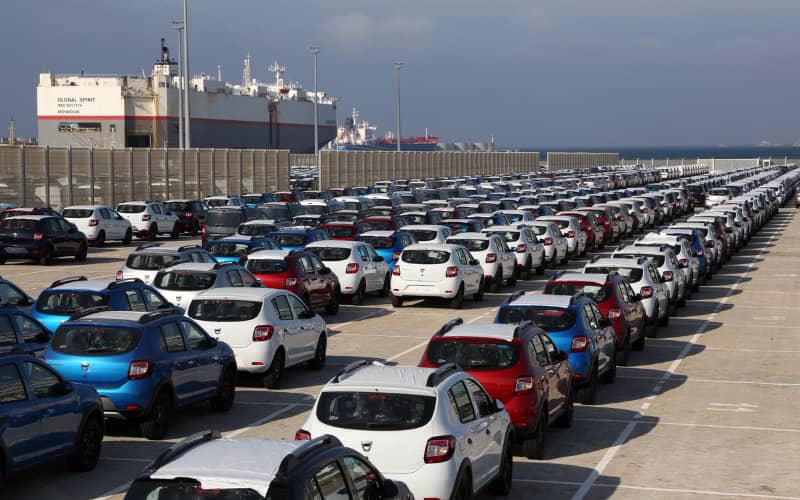
After three consecutive months of growth, the Moroccan automotive market has returned to a decline in sales in November 2022.
The Moroccan automotive sector is expected to achieve a record turnover of 100 billion dirhams in terms of vehicle exports this year, announced Ryad Mezzour, the Minister of Industry and Trade, on Tuesday.
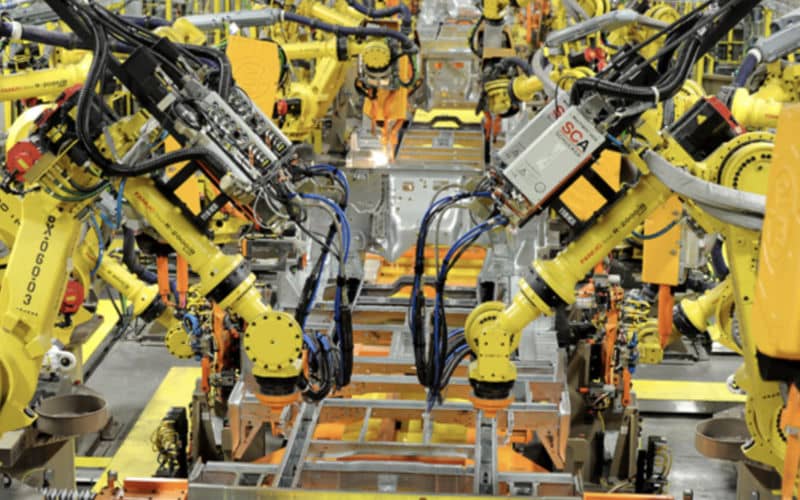
Morocco will soon launch NEO , the very first car designed and produced on Moroccan soil. The vehicle has already passed static and dynamic tests in Morocco and abroad. The homologation process is underway.
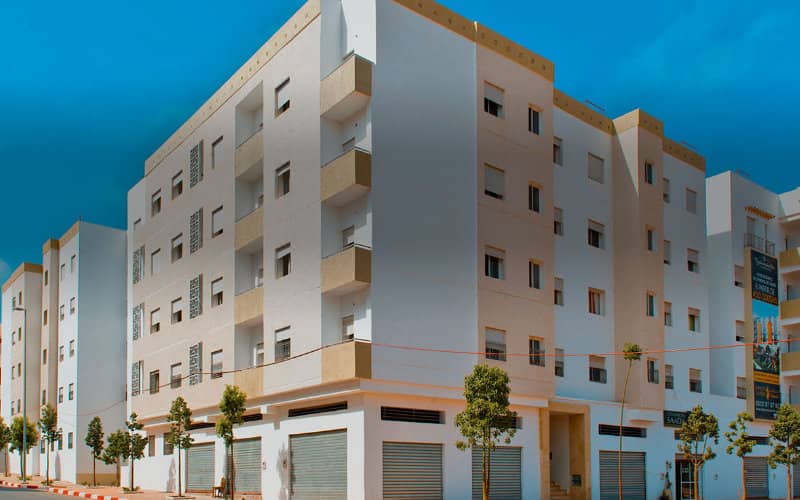
The 2023 Finance Bill (PLF) announces a 33.36% increase in transfer tax revenue (real estate, vehicles, etc.). Prospects seem promising for the used car market.
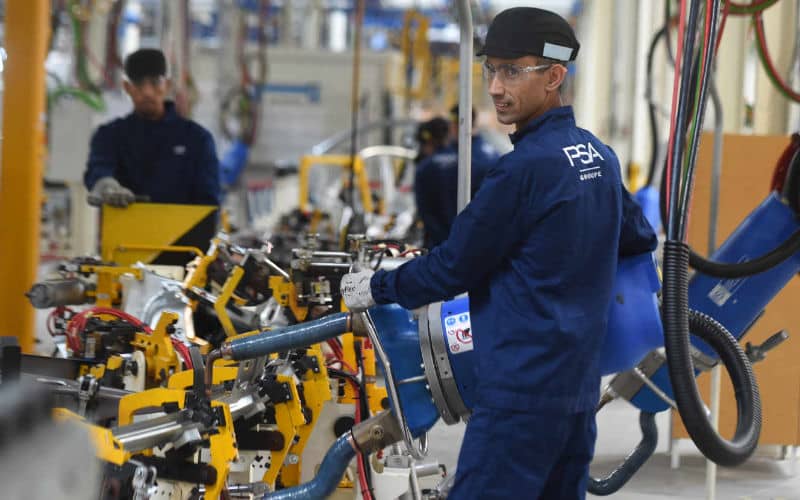
Morocco is emerging as a major competitor to the Spanish automotive industry, particularly that of Aragon where the sector, which has become the spearhead of the regional economy, employs more than 25,000 people.