CAN 2025: The Moroccan public imposes its law on Facebook and TikTok
Following the CAF’s decision to award the 2025 Africa Cup of Nations victory to Morocco over Senegal, a comprehensive analysis of social media reveals that the Moroccan public has imposed its narrative online. This administrative triumph has quickly turned into a vast geopolitical and identity-based debate.
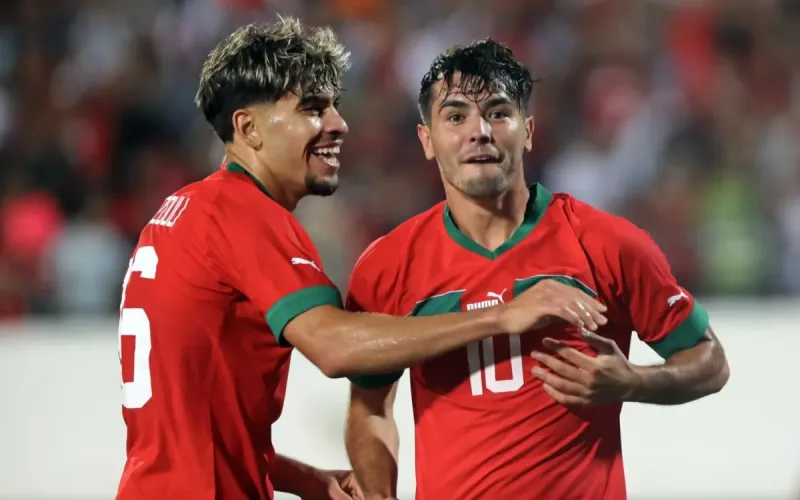
The victory of the Atlas Lions was not only played out in the offices of the Confederation of African Football (CAF). According to a study conducted by the marketing intelligence platform AchGal Insights, which analyzed 30,000 public comments on Facebook, Instagram and TikTok, Morocco has overwhelmingly won the war of public opinion. The data shows a completely unbalanced narrative landscape: comments celebrating the Moroccan victory were nearly four times more numerous than those supporting Senegal.
On Bladi.net: CAN 2025: Mohamed Ramadan excluded from the closing ceremony?
The Moroccan ecosystem has largely perceived this decision, based on Articles 82 and 84 of the regulations sanctioning the abandonment of the field, not as an institutional favor, but as the restoration of legitimate justice. This digital dominance is also illustrated by an impressive ratio of positive to negative signals (13 to 1), although the report points out that criticism in Arabic is often expressed in an indirect way (irony, religious references).
Beyond the simple sporting celebration, the study reveals that the purely football-related analysis has been relegated to the background in favor of identity and power issues. Internet users from third countries, particularly Algeria and Egypt, have massively interfered in the debate. The Algerian voices have mainly supported the initial result of Senegal, not out of solidarity, but to oppose the Moroccan regional dominance, confirming that these events serve as a platform for geopolitical rivalries.
On Bladi.net: Absolute record for the 2025 Africa Cup of Nations in Morocco
Finally, despite the prevailing euphoria, the analysis detected a certain ambivalence within the Moroccan public itself. A minority of supporters expressed the need for a true symbolic closure, regretting the absence of a trophy presentation on the field. At the same time, a small fraction of internet users took advantage of the event to raise awareness of internal issues, refusing to let this triumph serve as a distraction from the economic difficulties.