
Canadians Turn Away from American Products and Turn to Morocco
The boycott of American products is bringing lasting changes to Canadian supermarkets. To reduce their dependence on the United States, retailers are now turning to five countries, including Morocco, while the share of American vegetables is declining.
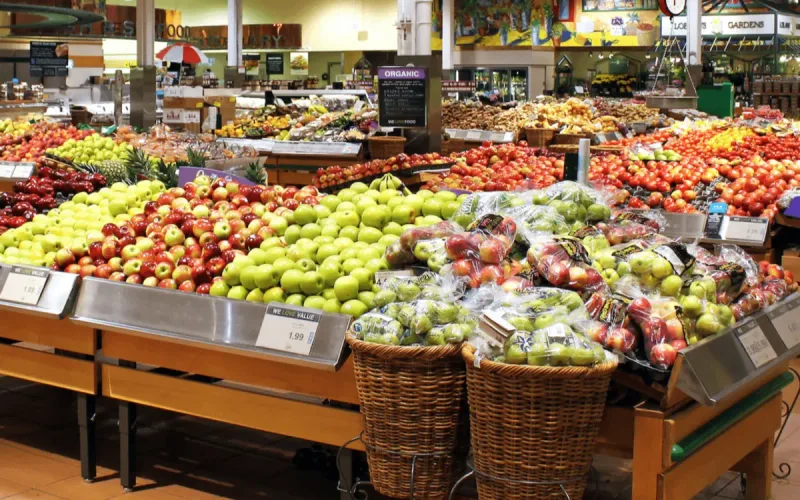
Fresh products from Morocco, South Africa, Spain, Brazil and Honduras are replacing some of the goods usually imported from the United States, reports Reuters.
This change is taking place amid a trade war between Washington and Ottawa. Launched in 2025 after the imposition of American tariffs on Canadian goods, the movement in favor of local and non-American products grew stronger after the failure of the latest negotiations between the two countries.
In supermarkets, customers are now asking for clearer labeling of food origins. Some retailers have even had to respond publicly to consumers unhappy to still find American fruits and vegetables in their aisles.
On Bladi.net : Global Boycott of US Brands Grows in Response to Trump Tariffs
Morocco was already among the countries approached during the first shift by Canadian retailers toward non-American suppliers. At the time, Moroccan peppers were notably among the products chosen to replace certain imports from the United States.
The share of American vegetables falls to 62.6%
The trend can now be measured. The United States accounted for 69% of Canadian vegetable imports in July 2023. Its share fell to 62.6% in July 2026, according to the latest government data cited by Reuters.
The United States remains by far Canada’s leading supplier of fresh products, ahead of Mexico. But its position is eroding as retailers secure new supply channels.
For Gordon Dean, owner of a chain of stores operating in rural areas of Ontario and Quebec, retailers are not rushing to return to American suppliers. Once established, the new supply chains offer greater diversification and reduce the risks associated with excessive dependence on a single country.
The change could therefore outlast the current political crisis. Gary Sands, vice-president of the Canadian Federation of Independent Grocers, even speaks of a lasting transformation in the mindset of Canadian consumers.
Geography and climate nevertheless prevent Canada from replacing all its imports with domestic production. During the winter, stores must rely on greenhouses, stored vegetables and goods from abroad. This constraint opens up new opportunities for Moroccan producers.
Ottawa also plans to invest approximately three billion Canadian dollars over ten years in greenhouses and vertical farms. The goal is to increase domestic production throughout the year and reduce food inflation, which remains among the highest in the G7 countries.
On Bladi.net : The United States threatened Moroccan products with 12.5 %: they ultimately did it
Moroccan products are thus benefiting from a dual movement: the growing rejection of American goods and Canadian retailers’ desire to sustainably diversify their suppliers. This is not a total replacement of the United States, but a gradual redistribution of supplies in which Morocco is gaining an additional place.