Ceuta Border: Moroccan Youths Lured by Spain Visa Hopes Face Hunger
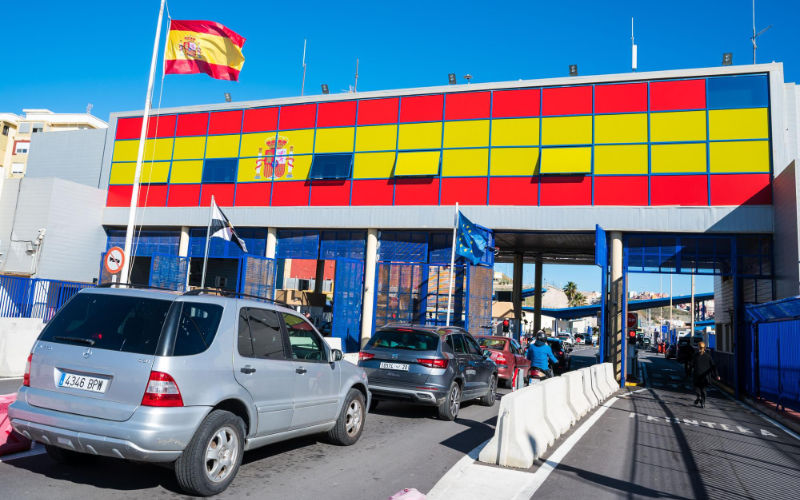
Young Moroccans crossed the Ceuta border after believing they would be housed and then allowed to travel to mainland Spain. Some discovered the truth after spending a night outside: no guaranteed shelter, no visa and sometimes not even anything to eat.
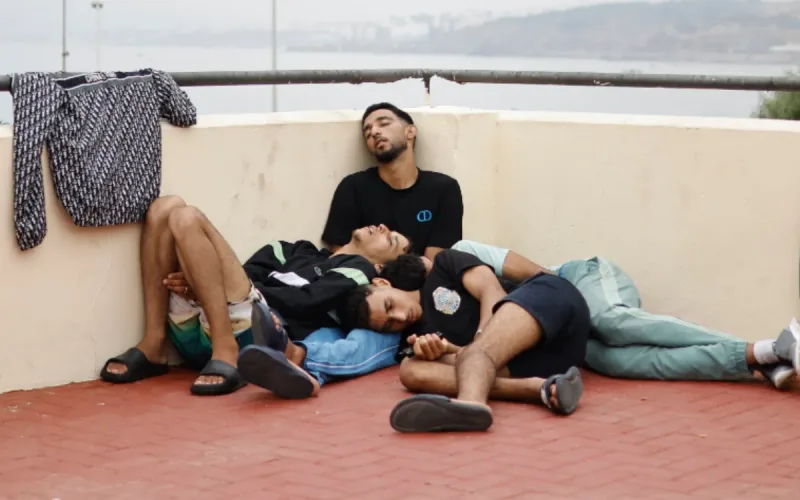
Mohamed had traveled nearly 300 kilometers from Fès to reach Fnideq. At 18, with neither a job nor studies, he had heard that once they entered Ceuta, young people would be welcomed by Spain and given a document allowing them to take the boat to Algeciras.
On Bladi.net : Ceuta Border Crossing: Dreams vs Reality for Young Migrants
He crossed the border. Yet the next day, he was back in Morocco, exhausted and sitting with other young people in front of a closed café.
“We had been promised a shelter and a visa, but it was all false,” he told an El País journalist present in Fnideq.
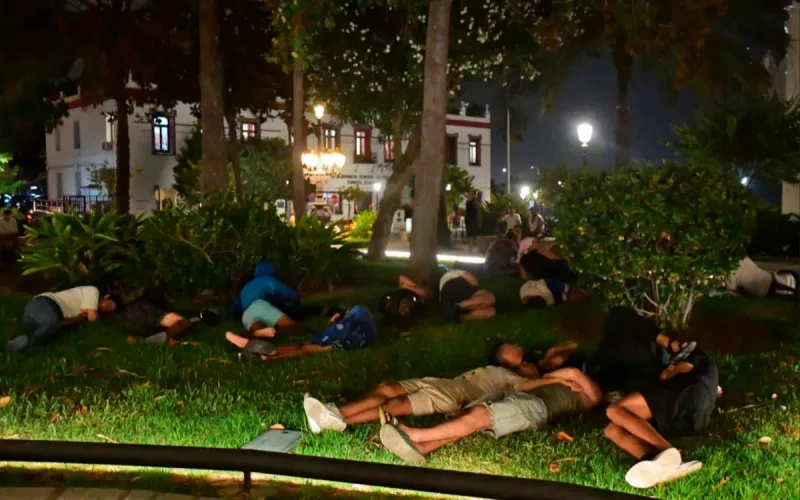
Like him, thousands of Moroccans discovered that crossing the border did not trigger any automatic assistance. Many slept in gardens or vacant lots. To eat, they had to rely on local residents or ask their families to send them money.
The dream of quickly obtaining papers, accommodation and passage to the peninsula collapsed within a few hours. By Friday, the roads of Fnideq were filled with young people looking for a car, a bus or a few dirhams to get home.
Social media sold them the idea of an easy crossing
The rush was fueled in particular by videos and messages shared on social media. They suggested that the border was open and that people arriving by sea could no longer be sent back to Morocco.
Ayoub El Abyad, a 16-year-old Moroccan, was still twelve hours from Ceuta when he saw images on Instagram showing migrants who had managed to enter. He immediately decided to try his luck with his cousin.
“We wanted to improve our lives,” he explained to Reuters after reaching Ceuta, having traveled part of the way by hitchhiking.
The rumors distorted a recent decision by the Spanish courts. It prohibits certain immediate pushbacks at sea, but grants neither a residence permit nor the right to remain permanently in Spain. A person may still be subject to a standard return procedure.
Spain’s Ministry of Foreign Affairs itself accused the authors of misleading messages of making young people believe that arriving by sea would allow them to stay.
Another misconception was circulating: once in Ceuta, new arrivals would be able to freely take a ferry to Algeciras. Yet without valid documents or a decision by the authorities, reaching the Spanish enclave does not automatically allow someone to travel to mainland Spain.
Ceuta is administered by Spain, but it remains separated from the peninsula by the Strait of Gibraltar. For many young people, the journey therefore ended just a few kilometers from Fnideq, far from Madrid, Barcelona or France.
Some also thought they could benefit from the extraordinary regularization decided by Spain. But this scheme concerns foreigners already present in the country before a specified date. It does not apply to people who have just crossed the border.
The return was brutal. A young Moroccan from Tangier told Reuters in another report filmed at the border that he no longer even knew why he had come. He had not eaten since the previous day, despite the money he had brought with him.
Ayman, a 20-year-old hairdresser from Larache, had swum for five hours to reach Ceuta. He said he found no food there before heading back toward Morocco.
Social media had shown them people running through the streets of Ceuta after successfully crossing. They had not shown the night spent outside, the hunger, the impossibility of taking the boat and the walk back to Fnideq.
On Bladi.net : French man arrested Ceuta assault Morocco border crossing
For Mohamed, the promised visa never existed. Neither did the accommodation. His entry into Spain lasted less than a day before ending exactly where it had begun.