Spain
Moroccan Customs Revenue Soars as Border Closures Curb Smuggling in Ceuta and Melilla
The closure of the borders in Ceuta and Melilla has led to a significant increase in Moroccan customs revenue, driven by the end of the smuggling phenomenon.

The closure of the borders in Ceuta and Melilla has led to a significant increase in Moroccan customs revenue, driven by the end of the smuggling phenomenon.
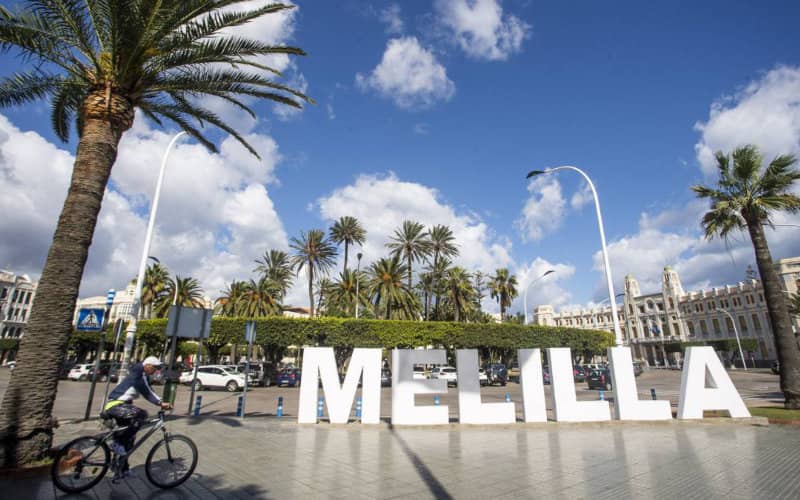
The report entitled "Ceuta and Melilla: more Spain, more Europe" will be presented on June 1 to the European Parliament. This is a document that addresses the possibility of the two autonomous cities being integrated into the European Union.
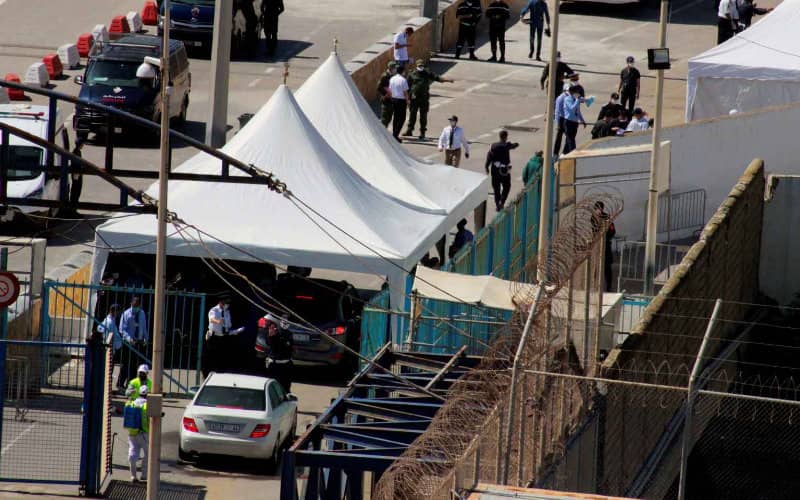
No goods destined for Morocco are allowed to cross the border posts of Beni Ensar in Melilla and Tarajal in Ceuta since the reopening of the borders on May 17. Businessmen in the two autonomous cities are calling for reciprocity in traffic.
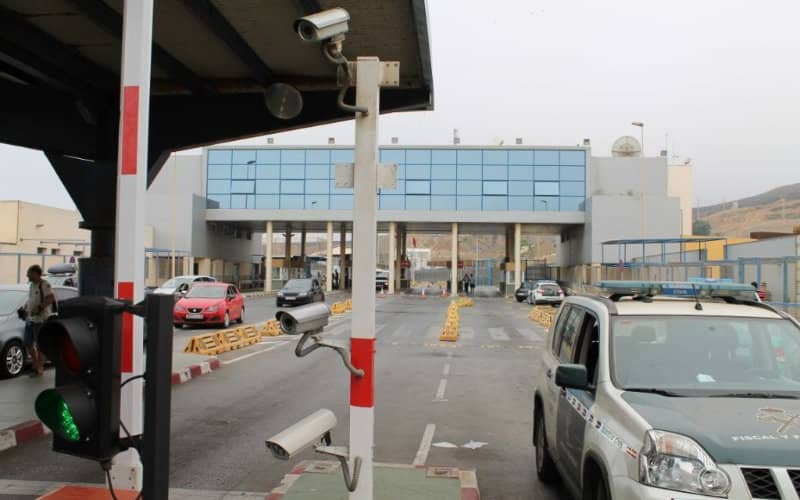
Travelers from Morocco have been authorized for a few days to cross the Ceuta border with certain food products such as vegetables, fruits, bread derivatives or spices, but in limited quantities and intended exclusively for personal use.
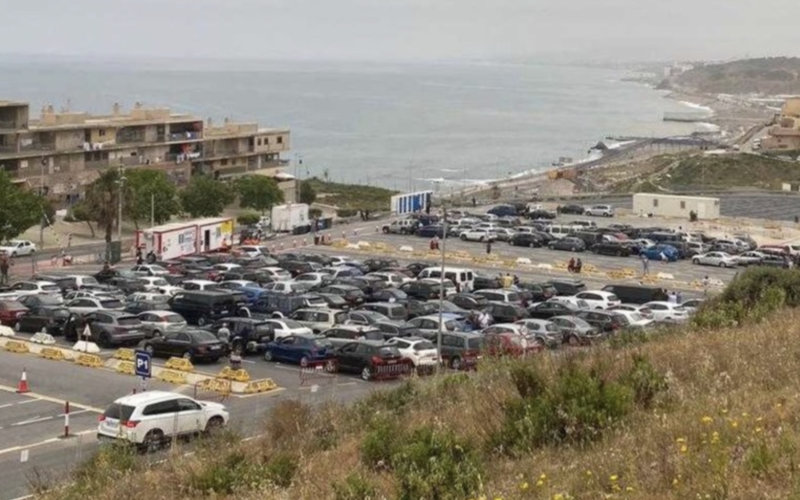
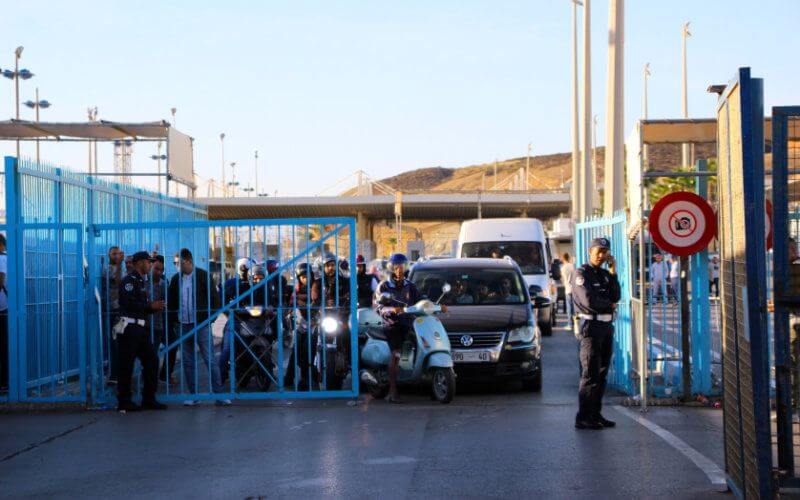
The Government Delegation in Ceuta recalled on Wednesday that all vehicles wishing to enter Morocco must go through the control area, access to which will be regulated, stressing that this area will be operational 24 hours a day from this Thursday.
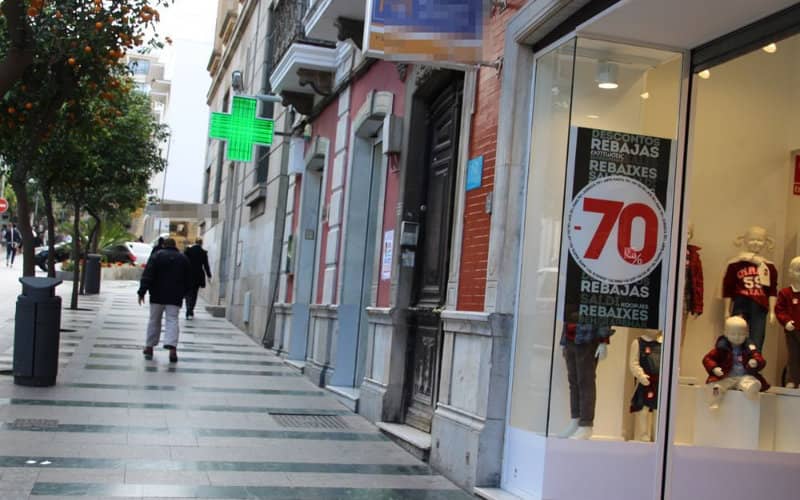
The reopening of the borders still does not benefit the merchants of Ceuta and Melilla who denounce the decision of Morocco to prohibit the passage of items purchased in the two autonomous cities, deploring a situation worse than before the return to normality.
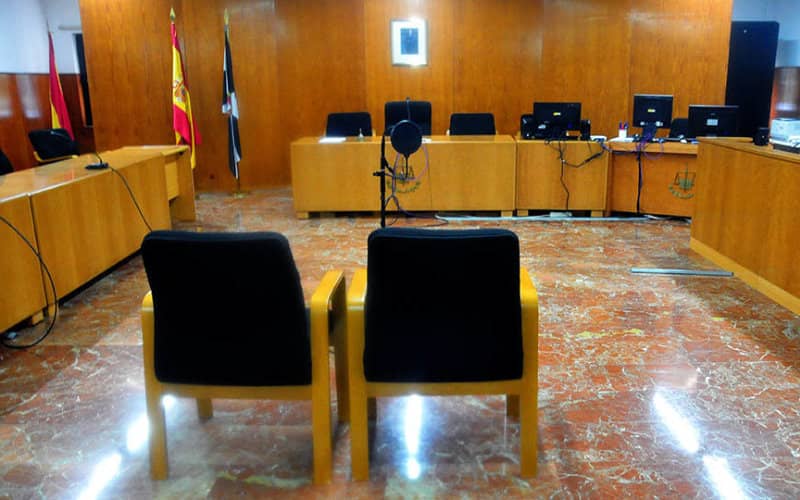
The Spanish justice system has confirmed the decision of the Andalusian court to reduce from 21 to 13 years the prison sentence of Naima, a woman of Moroccan origin who killed her husband by suffocating him with a scarf in Ceuta, in March 2019.
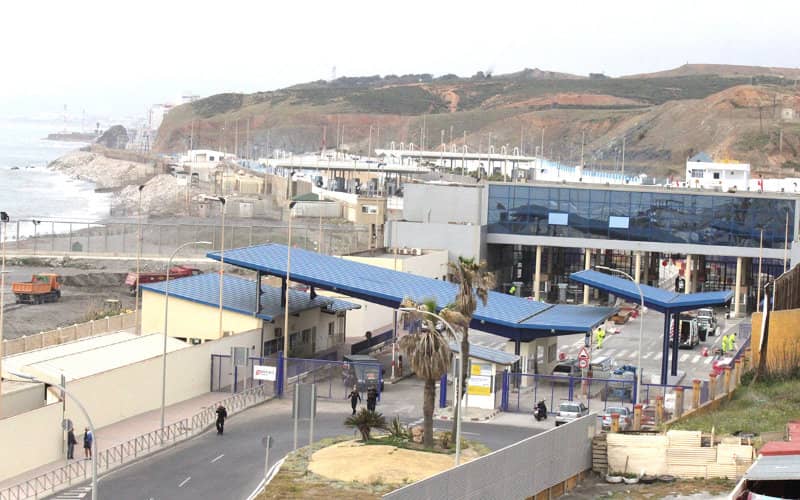
To prevent the entry into Morocco of people affected by monkeypox, exceptional health measures have been taken at the borders of Ceuta and Melilla.
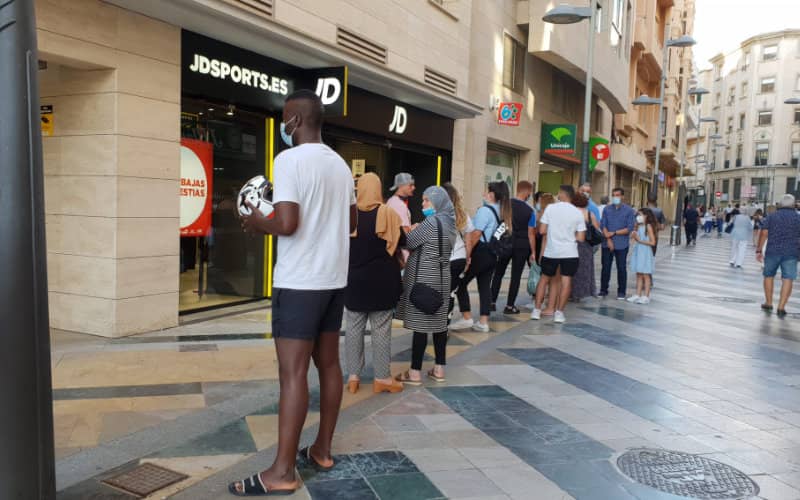
The non-reactivation of goods traffic at the Ceuta border with Morocco is seriously affecting the economy of the autonomous city, which is still awaiting the creation of a commercial customs office to regain its status as a "commercial city".
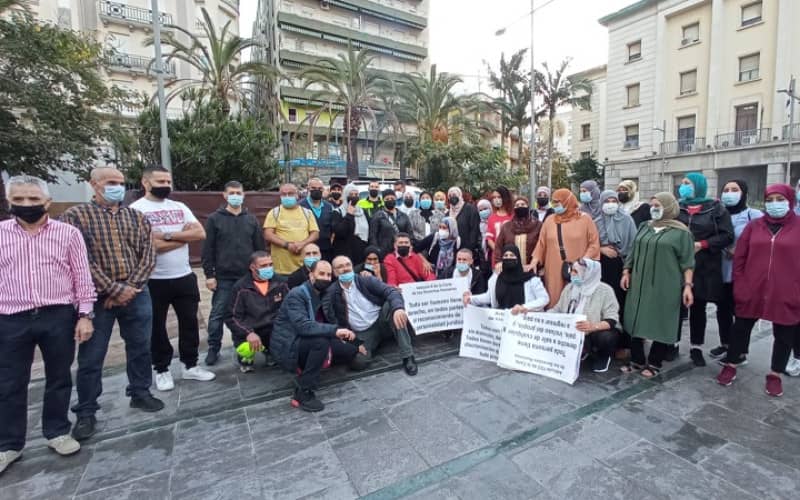
A week after the reopening of the Ceuta and Melilla border crossings, the joy of being able to travel after two years of prohibition has quickly given way to grumbling. Many disapprove of some of the conditions regarding the movement of people and goods.
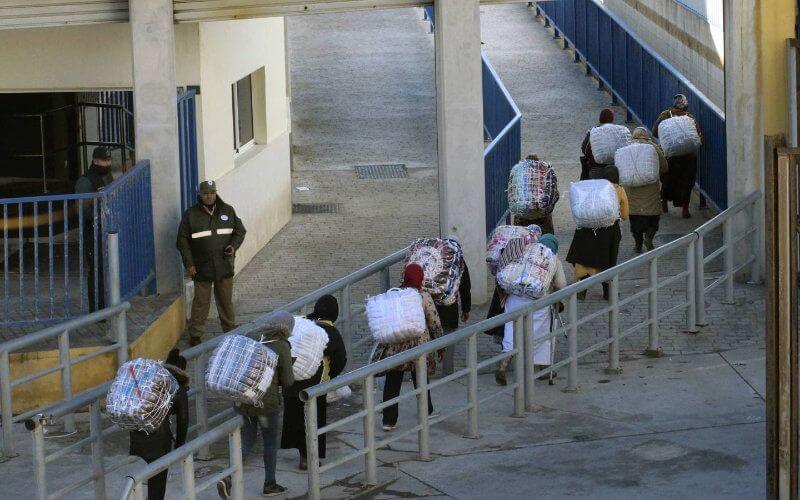
In announcing the reopening of the border posts of Ceuta and Melilla, the Moroccan authorities had stated that they would not in any case tolerate smuggling. Today, it is the turn of the General Directorate of Customs (DGI) to indicate that there will no longer be any smuggling activity at the Bab Sebta and Beni Ansar crossing points.
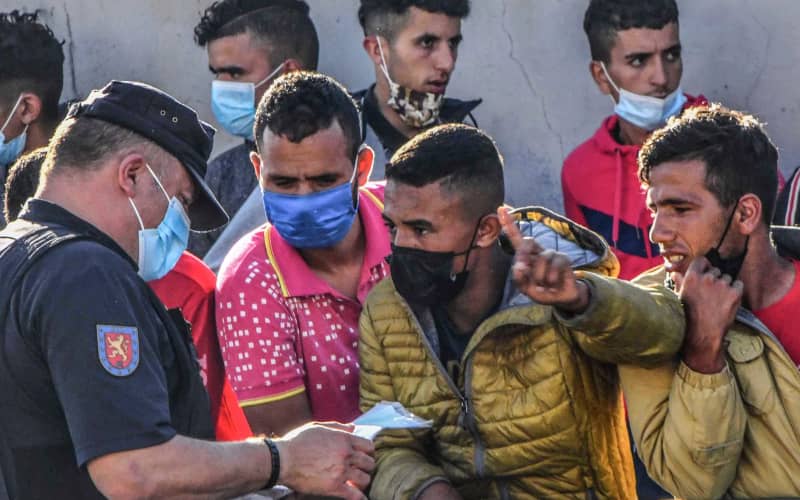
The president of the Popular Party (PP), Juan José Imbroda, has requested that the visa exemption granted to Moroccans from Tetouan and Nador , near Ceuta and Melilla, be abolished and that a visa be required for all Moroccans entering the two autonomous cities.