New developments for the Morocco-Spain tunnel
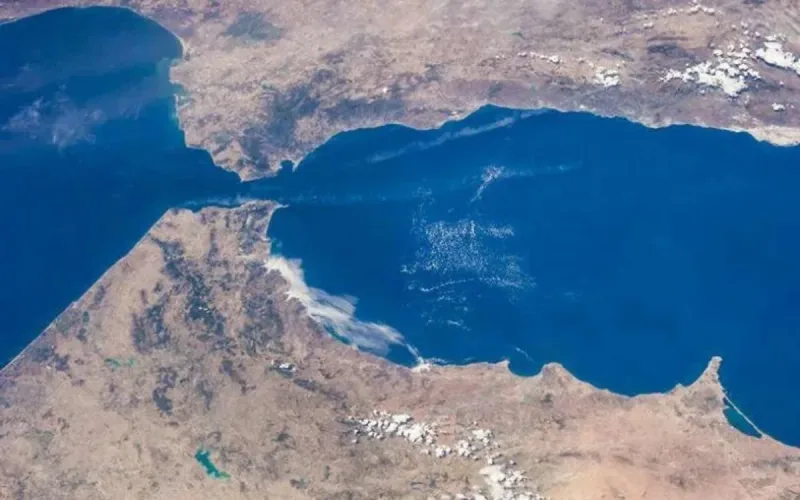
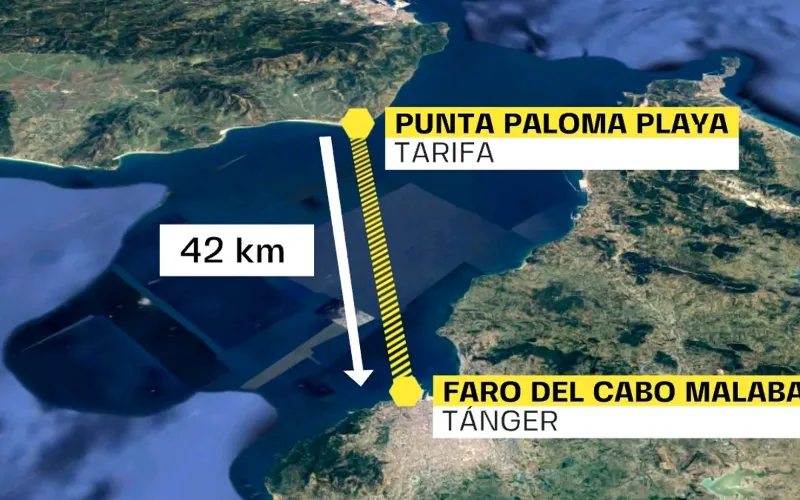
The Spanish government has taken a new step in the project to establish a fixed link between Europe and Morocco by entrusting the Higher Council for Scientific Research (CSIC) with an in-depth study of the seabed in the Strait of Gibraltar.
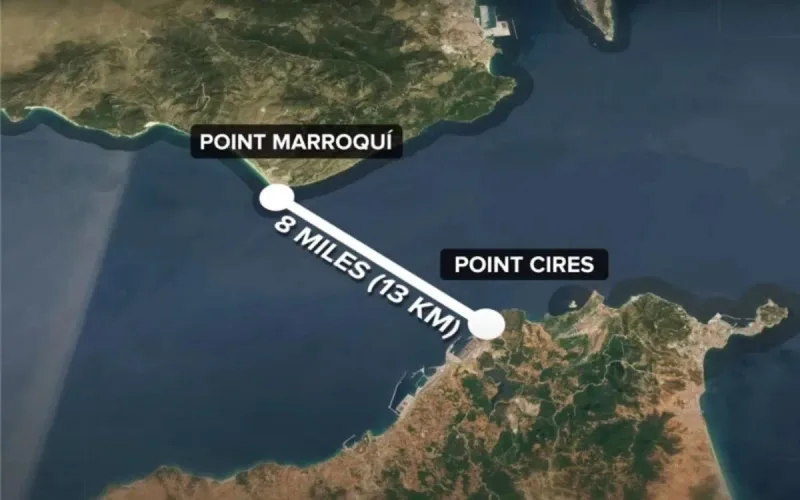
This scientific mission, with a budget of more than 550,000 euros for the 2025 and 2026 fiscal years, will focus on the Camarinal sill, a complex geological area whose mastery is considered essential before the launch of the construction phase of the railway tunnel connecting Spain to Morocco.
The agreement, formalized at the end of December 2025, tasks three specialized institutes of the CSIC (IGME, IEO and ICM) with carrying out a 15-day oceanographic campaign during the first half of 2026. The research, financed by the Spanish Company for Studies on Fixed Communications (SECEGSA), aims to reduce technical uncertainties through high-resolution bathymetric surveys and analyses of the seabed using parametric probes, according to Europa Sur. These data will be integrated into a three-dimensional geological model, an essential tool for planning the drilling by tunnel boring machines (TBMs) in an area characterized by particularly demanding flysch formations.
This large-scale project benefits from international collaboration, including the Hydrographic Institute of the Navy and the United States Geological Survey (USGS). In addition to the technical challenges, the mission will have to comply with strict environmental protocols, as the area is classified as a Protected Conservation Area (ZEC), particularly for the preservation of orca populations. SECEGSA retains full ownership of the results of this study, which will serve as the basis for future administrative and financial decisions on the bilateral project.
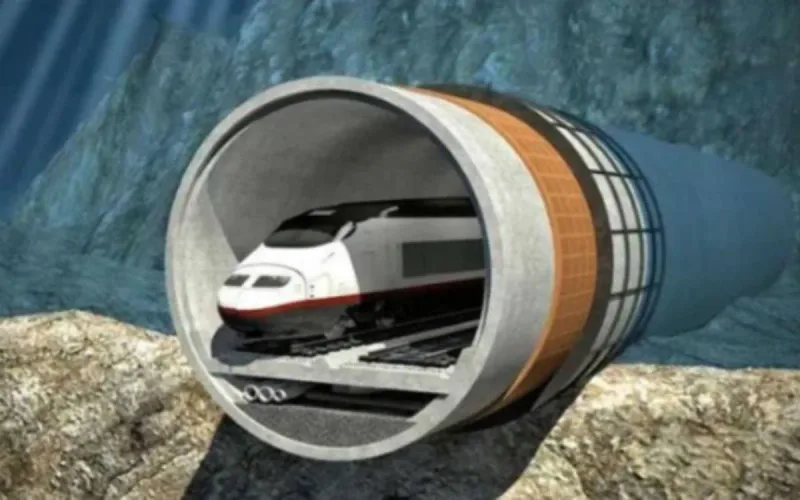
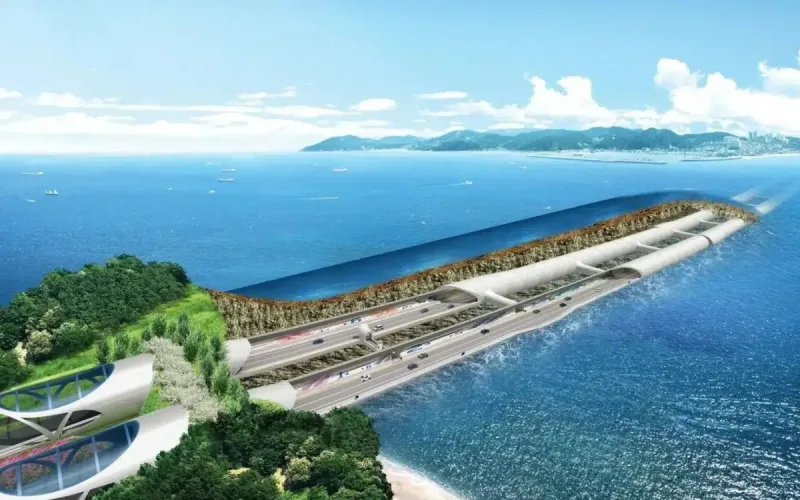
This initiative comes after a feasibility study conducted by the German company Herrenknecht confirmed the technical viability of an underwater railway tunnel. The overall project, with a total investment now estimated at more than 8.5 billion euros, has an operational horizon between 2035 and 2040. The initial phase could include a reconnaissance gallery whose excavation would take between six and nine years. Officially relaunched in 2023 by Madrid and Rabat, this project is one of the most ambitious engineering challenges of the decade on a global scale.