220 dirhams on construction sites, up to 400 in the fields: Morocco lacks workers
The labor shortage is worsening in Morocco. In construction, the average daily wage has now reached 220 dirhams. In agriculture, some farmers say they pay up to 400 dirhams for around five hours of work.
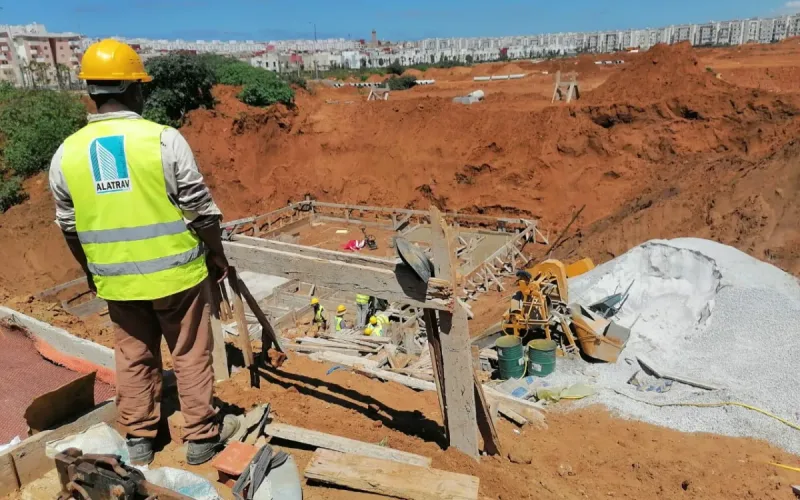
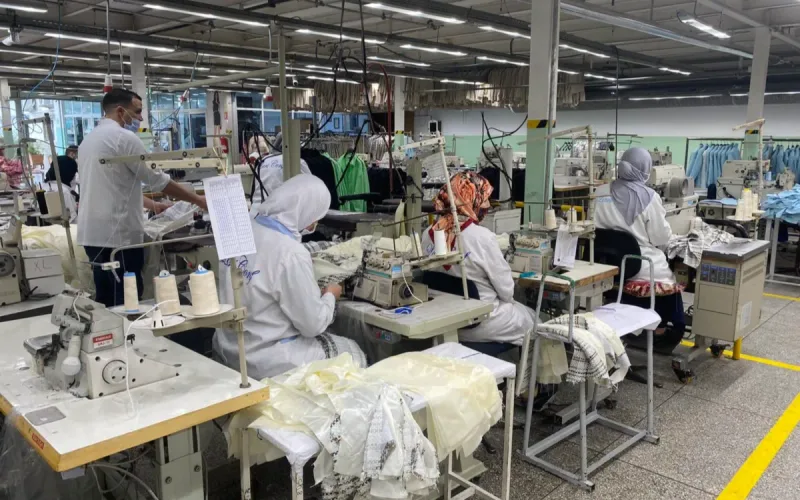
The crisis is simultaneously affecting construction, agriculture and automotive wiring factories in the north of the country. According to professionals interviewed by Hespress, companies in the latter sector are facing a continuous departure of employees.
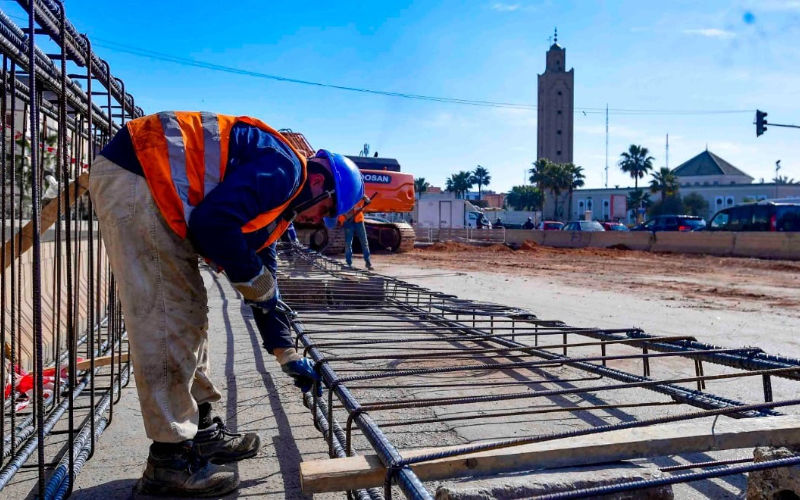
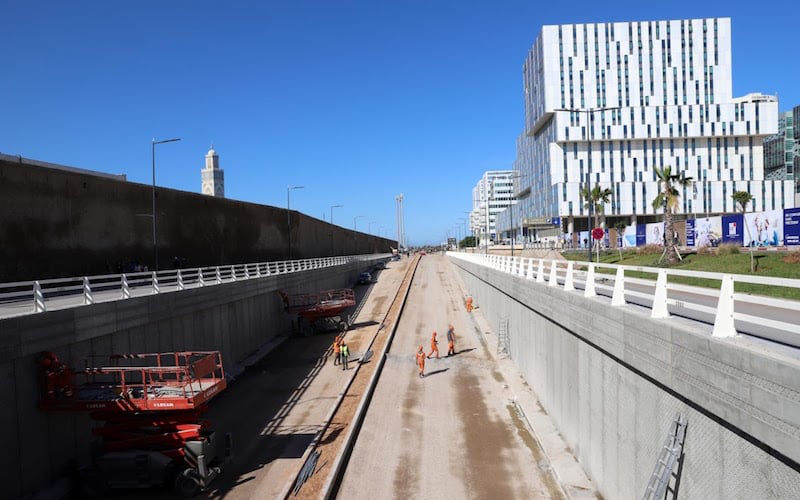
In construction, the National Federation of Real Estate Developers is primarily noting a shortage of skilled workers. Its president believes that the dwindling labor supply has doubled the daily wage, which averages 220 dirhams depending on the region.
On Bladi.net : Morocco’s Construction Boom Stalls: Skilled Labor Shortage Meets Rising Unemployment
The distinction between a simple laborer and a “maâlem” is even tending to disappear. In the absence of candidates, some developers have to entrust low-skilled workers with tasks normally reserved for experienced professionals. This increase in wages, combined with the rising cost of materials, could affect housing prices. Construction wages had already risen sharply in Morocco.
Up to 400 dirhams for five hours
The situation is also tense on farms. The president of the Moroccan Confederation of Agriculture and Rural Development attributes this shortage to the long years of drought. Deprived of work, many rural residents have left rural areas to look for work in the city.
Piecework in agriculture has since become widespread. It reportedly concerns around 80% of workers, and working days often no longer exceed five to six hours. Once output is taken into account, farmers say they pay between 300 and 400 dirhams for a day of around five hours, that is, three to four times the agricultural minimum wage set at 97.44 dirhams per day in 2026.
The pressure could increase further in November and December. The olive and citrus harvest will then coincide with plowing and cereal sowing. Agreements have been concluded with several ministries and public bodies to facilitate the movement of workers between regions, but their implementation has not yet solved the problem.
On Bladi.net : In Moroccan Fields, Sub-Saharan Migrants Become Indispensable
This shortage contrasts with a strict unemployment rate of 9.5% in the second quarter of 2026. A broader HCP indicator nevertheless reaches 18.9% when it includes underemployment and people who are available but not actively seeking a job.
The contradiction is therefore only apparent. The unemployed are mainly young urban residents and graduates, while the needs concern manual, arduous, seasonal jobs or positions far from their homes. To bring the two closer together, professionals are calling for more training, but also for more attractive jobs, with transportation, housing, social protection and opportunities for advancement.