Earthquake in Morocco: in 1960, 12,000 people were killed in Agadir
The Agadir earthquake, which occurred on February 29, 1960, remains one of the greatest natural disasters in the history of Morocco. With a magnitude of 5.7 on the Richter scale, it may seem moderate compared to other global earthquakes. However, the impact was devastating.
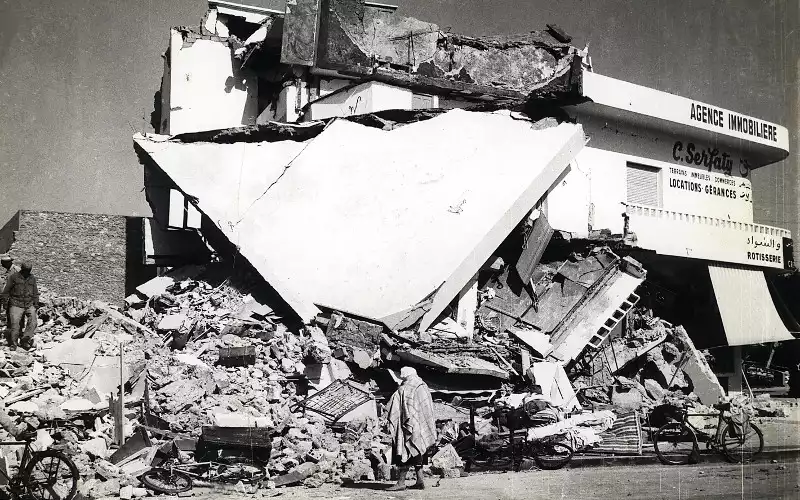
The city of Agadir, located on the Atlantic coast of the country, was practically razed to the ground in a few seconds, leaving more than 12,000 dead, or a third of the population, thousands injured and tens of thousands homeless.
The speed with which the earthquake struck took the population completely by surprise. It was around 11:40 p.m. when the earth began to tremble, and in just 15 seconds, many buildings, including schools, hospitals and homes, collapsed. The scale of the destruction was such that King Mohammed V of Morocco decided not to rebuild the city in its original location, opting instead for a new location further from the coast.
This earthquake had a significant impact not only on the human level, but also on construction policies and regulations in the region. Building standards have been revised and updated to make buildings more earthquake-resistant. It also prompted governments and organizations to invest more in seismic research and disaster preparedness.
Nearly sixty-three years after the tragedy, Agadir has been rebuilt and developed into a modern city, but the memory of the earthquake continues to serve as a warning.
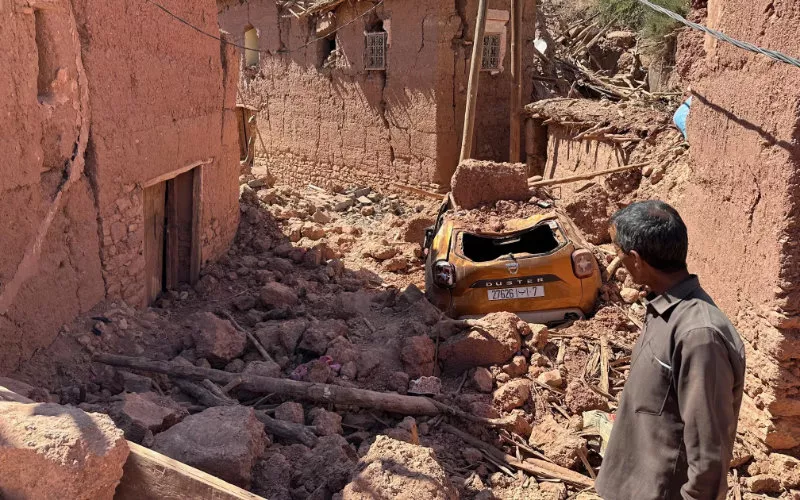
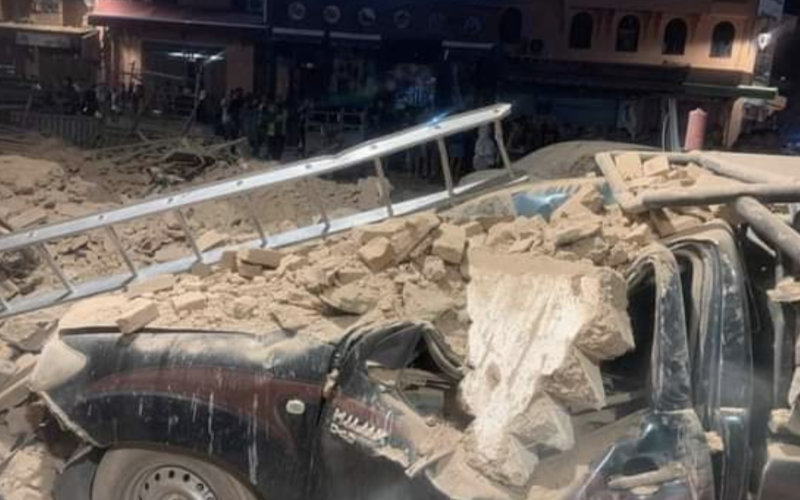
This Friday, September 8, a powerful earthquake hit the Marrakech region, killing more than 600 people and injuring hundreds. The tremors were felt in Agadir, reminding some of the painful 1960 earthquake.