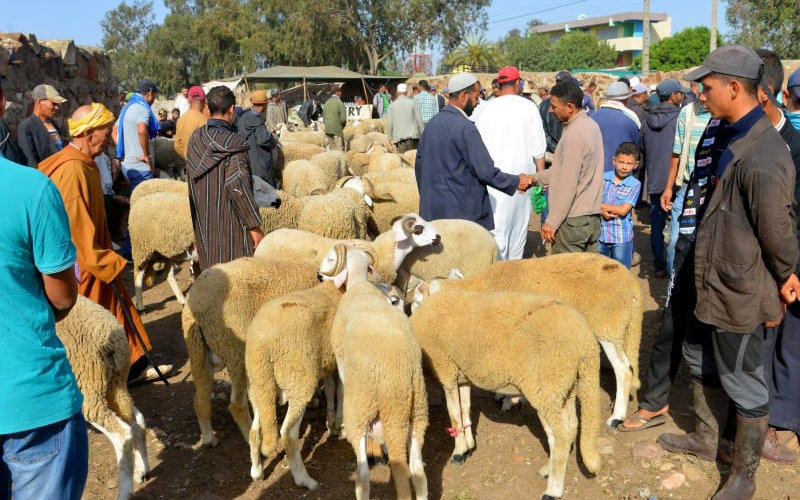
Eid al-Adha Sacrificial Ritual Declines Among Moroccan Households, Survey Shows
Just over 12% of Moroccan households do not perform the ritual of sacrifice during Eid al-Adha, reveals the High Commission for Planning (HCP) in the 30th issue of its "Les Brefs du Plan" review.
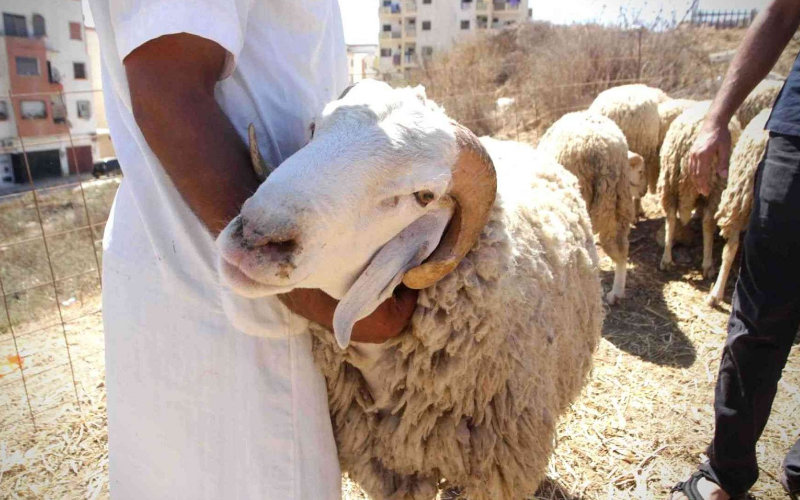
According to data from the 2022 national survey on the standard of living of households, 12.6% of Moroccan households do not perform the ritual of sacrifice during Eid Al-Adha, the HCP indicated in its publication, noting an increase compared to 2014 when this rate was 4.7%.
Urban dwellers and single-person households contributed to this increase in households not sacrificing this tradition. In 2022, 14.3% of urban dwellers did not perform this ritual, compared to 5.9% in 2014. Similarly, 56.4% of single-person households did not engage in this practice in 2022, compared to 46.5% in 2014. The rate is 5.5% for households with at least six members, compared to 0.8% in 2014.
The practice of the ritual of sacrifice during Eid al-Adha depends on the standard of living of the household and the level of education of its head, the HCP notes, specifying that nearly 25.1% of households among the top 10% wealthiest do not perform this ritual, compared to 7.8% among the poorest 10%. Also, 20.1% of households whose heads have a higher level of education do not perform this ritual, compared to 11.7% for households headed by a non-educated person.
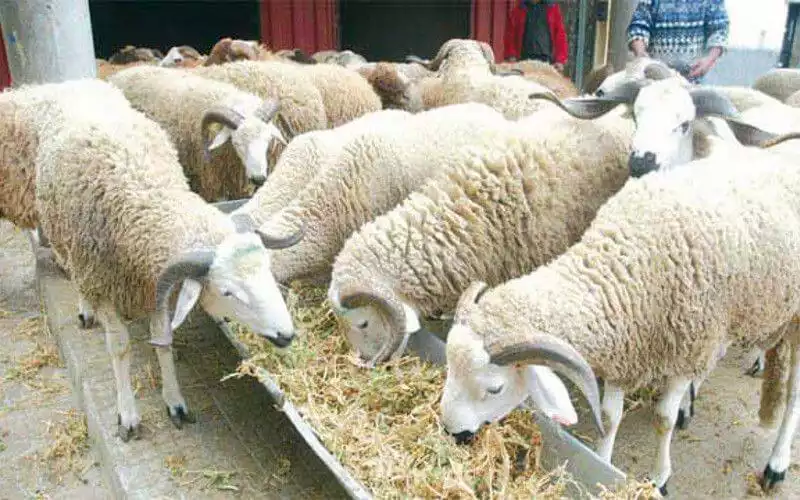
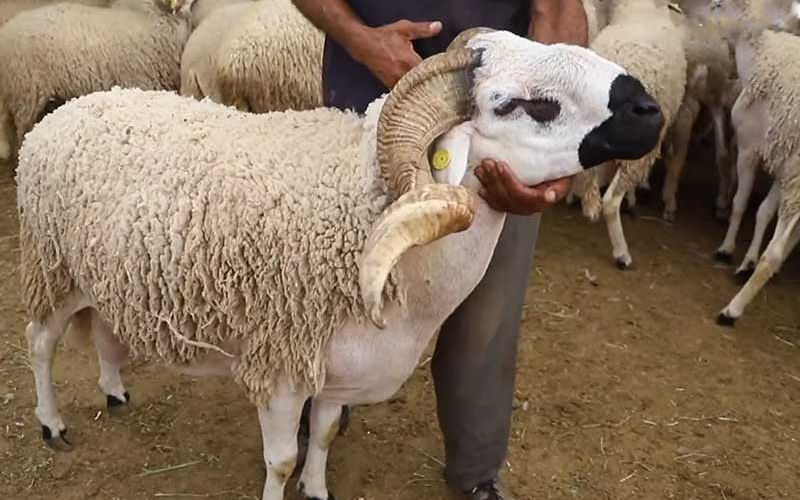
Regarding the animals used for the sacrifice, 95.6% of households have a preference for sheep, 4.3% for goats and 0.1% for cattle. Rural households opt more for goats (7.4% compared to 2.8% in urban areas). The same goes for the 10% least well-off households (8.5% compared to 2.7% for the 10% wealthiest households).