France
Toxic Pesticide Taints Moroccan Olives, Sparking EU Health Alert
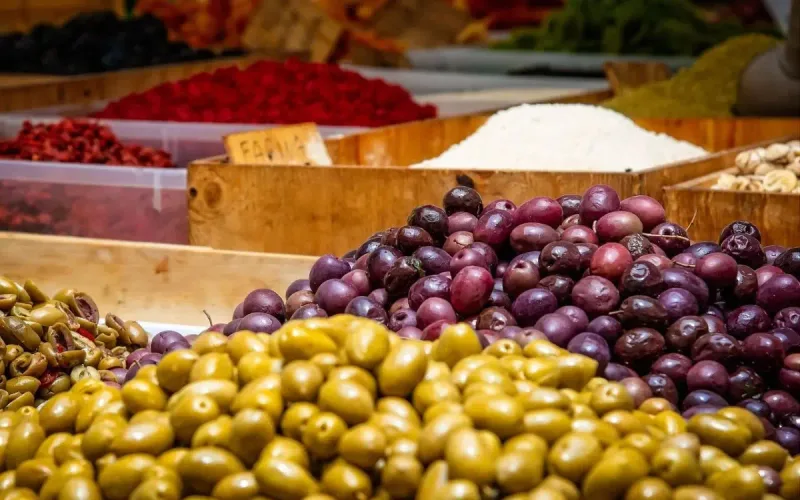
The European Union’s Rapid Alert System for Food and Feed (RASFF) has issued an alert regarding a batch of Moroccan green olives exported to France.

The European Union’s Rapid Alert System for Food and Feed (RASFF) has issued an alert regarding a batch of Moroccan green olives exported to France.
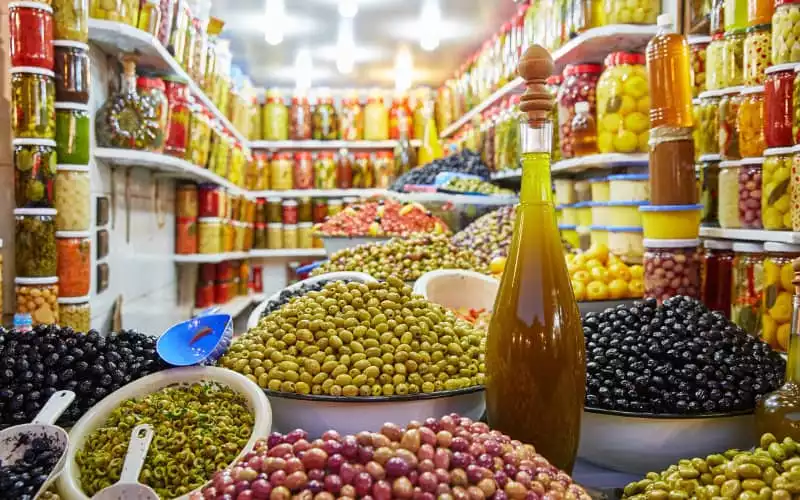
Questioned by two deputies from the Party of Progress and Socialism (PPS) group, Ahmed Bouari, Minister of Agriculture, Maritime Fisheries, Rural Development and Water and Forests, explains the "strange" increase in Morocco’s exports of olives and olive oil despite the drop in production.
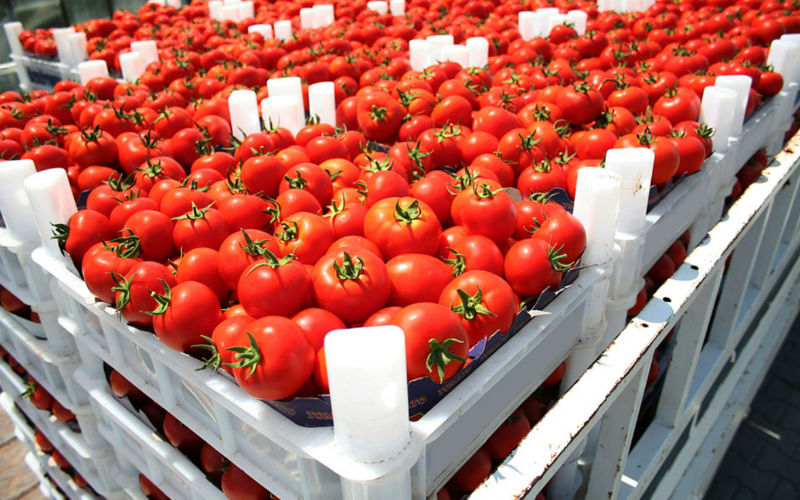
The European Union’s Rapid Alert System for Food and Feed (RASFF) has issued a notification concerning cherry tomatoes originating from Morocco. The alert, described as "serious", follows the detection of contamination by an unidentified metal in a batch imported to the Netherlands.
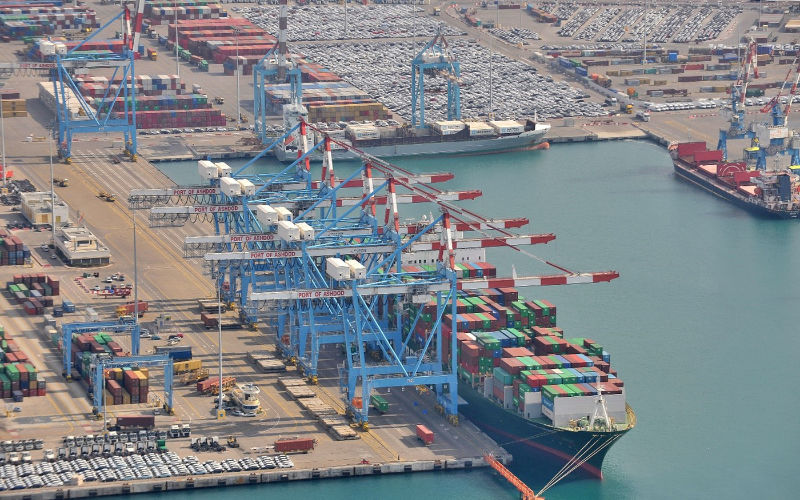
Despite a popular protest movement in Morocco calling for the severing of ties with Israel, official international trade data for the year 2024 shows a different economic reality. According to statistics from the United Nations trade database (UN COMTRADE), the volume of Moroccan exports to Israel reached $141.55 million.
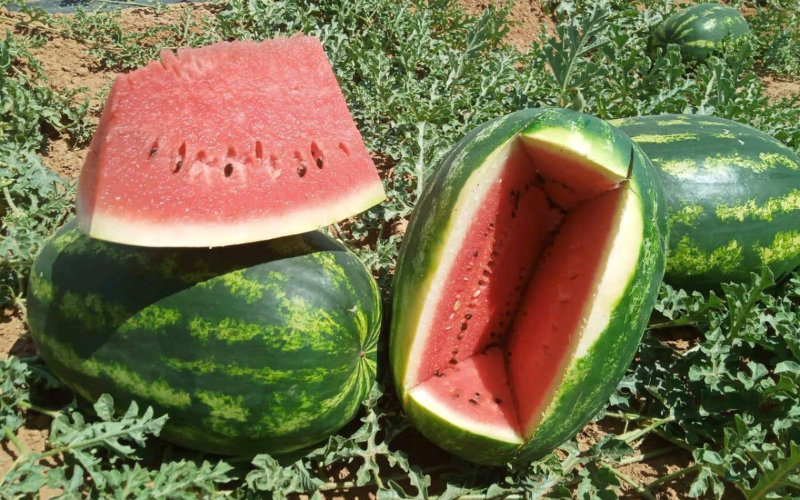
In the Tassrirt region, near Ouarzazate, residents and civil society actors are sounding the alarm about a growing environmental threat: the depletion of the water table. They point to the "irrational" expansion of watermelon cultivation, driven by foreign investments, in a region already weakened by drought.
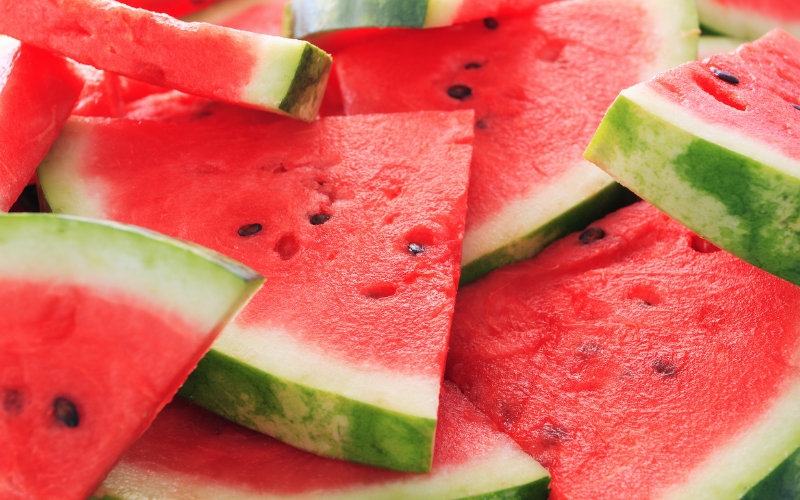
Morocco is on the verge of supplanting Spain, the leading supplier of watermelons to the European Union (EU). This is evidenced by the exports of the two countries in the first half of 2025.
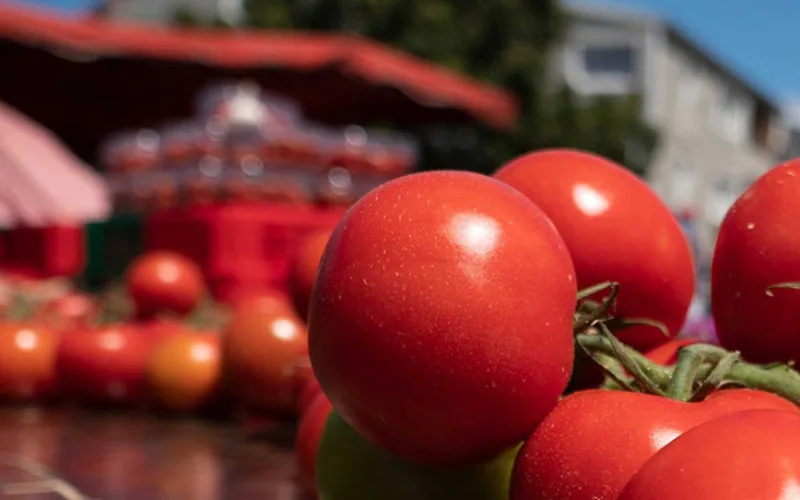
The Moroccan tomato continues to dominate the Spanish and European market, much to the chagrin of Spanish producers. Morocco’s exports to the European Union continue to increase.

The European Union (EU) wants to strengthen its trade relations with certain North African and Middle Eastern countries, including Morocco. To this end, it is considering setting up a pact for the Mediterranean, in a context of increased competition with the United States and China.
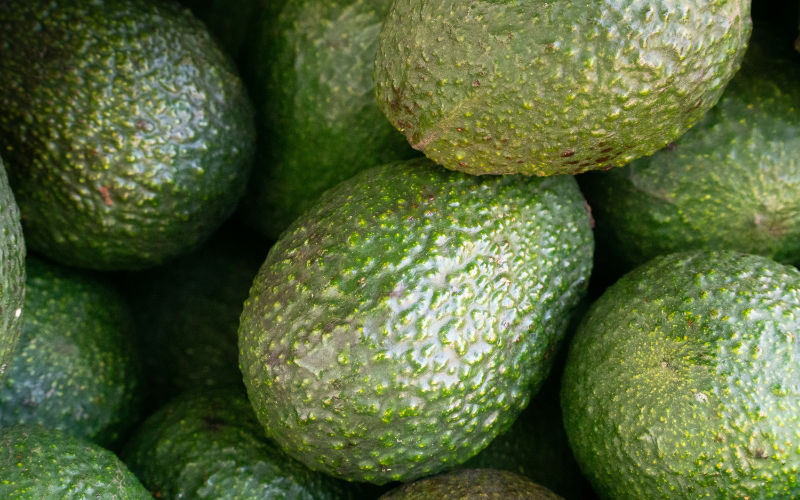
In Morocco, the avocado production sector, like many other sectors, has been severely affected by the wave of extreme heat and the "Chergui" phenomenon that has hit the kingdom this summer.
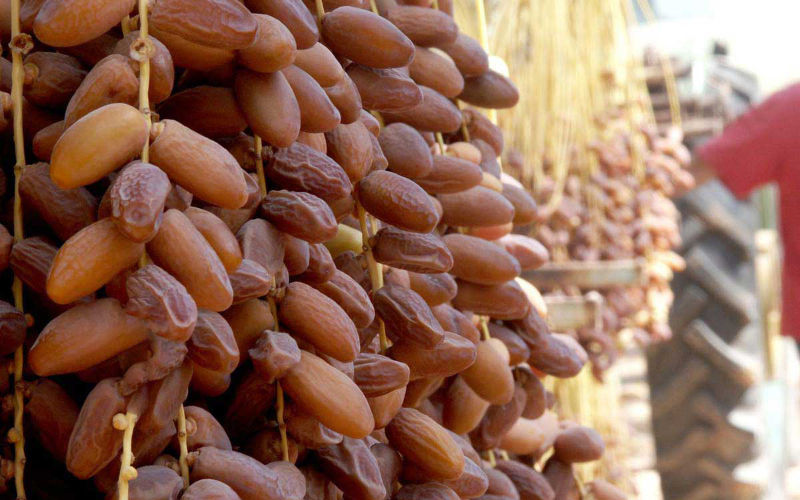
With more than 18% of the volumes exported by Tunisia, Morocco retains its position as the leading importer of Tunisian dates, ahead of Italy and Germany.
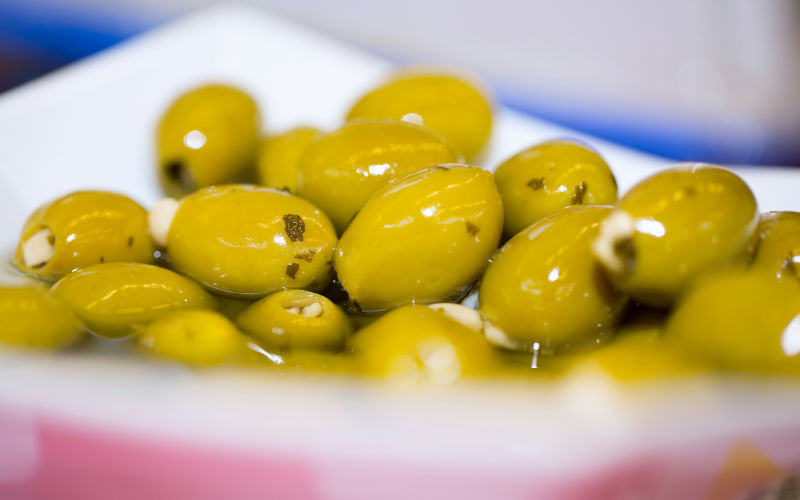
The Rapid Alert System for Food and Feed (RASFF) warns of the presence of unauthorized additives in a batch of Moroccan olives exported to Spain.
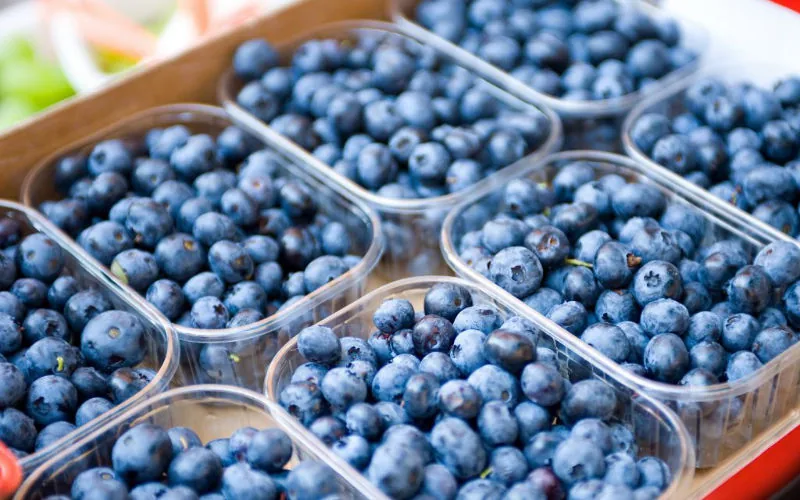
Morocco has moved from 7th to 4th largest exporter of blueberries in the world in 2024, with 83,000 tons exported compared to 636 in 2009, an average annual increase of 43%.