
Morocco
Morocco's Consumer Price Index Dips 0.1% in January, Food Prices Down 0.4%
The food products index fell slightly by 0.4% between December 2019 and January 2020.

The food products index fell slightly by 0.4% between December 2019 and January 2020.
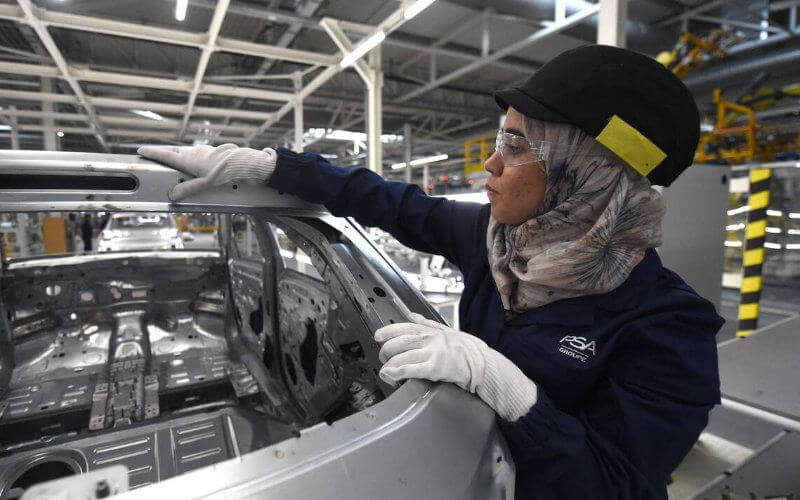
The year 2019 was prosperous for the Moroccan economy, which created 165,000 jobs compared to 111,000 jobs created in 2018, according to data published by the High Commission for Planning (HCP).
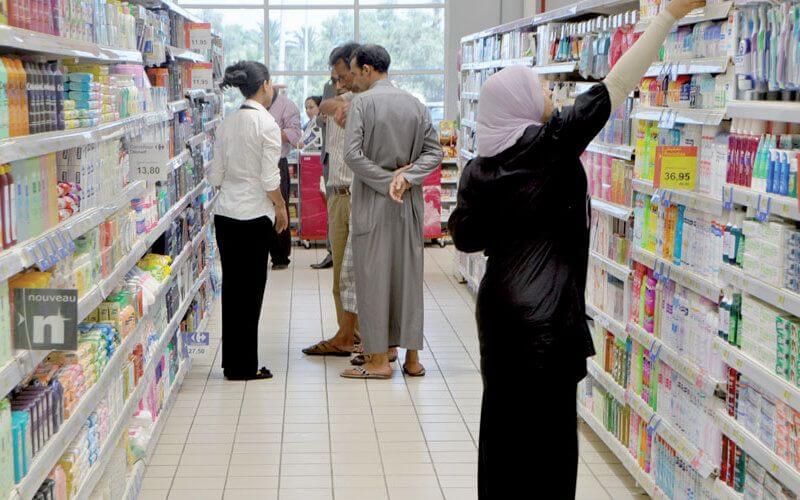
A survey, published this Monday, January 20 by the High Commission for Planning (HCP), shows a flagrant pessimism of Moroccan households in 2019, in the face of unemployment, the cost of living and their savings capacity.
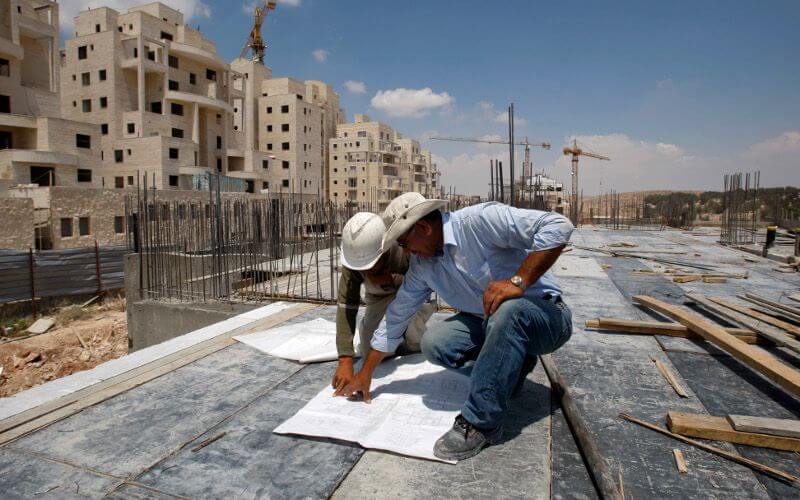
The High Commission for Planning (HCP) has reported a slowdown in the country’s economic situation in 2019. This situation could improve this year in view of several parameters.

A total of 190,000 Moroccans residing abroad (MREs) have returned to the kingdom since the year 2000. More than half of them are found in three regions, namely Casablanca-Settat, Rabat-Salé-Kénitra and Béni Mellal-Kénifra. Meanwhile, the regions of Tanger-Tétouan-Al Hoceïma, the Oriental and Marrakech-Safi welcome about 10% of these MREs, according to a survey by the High Commission for Planning (HCP) .
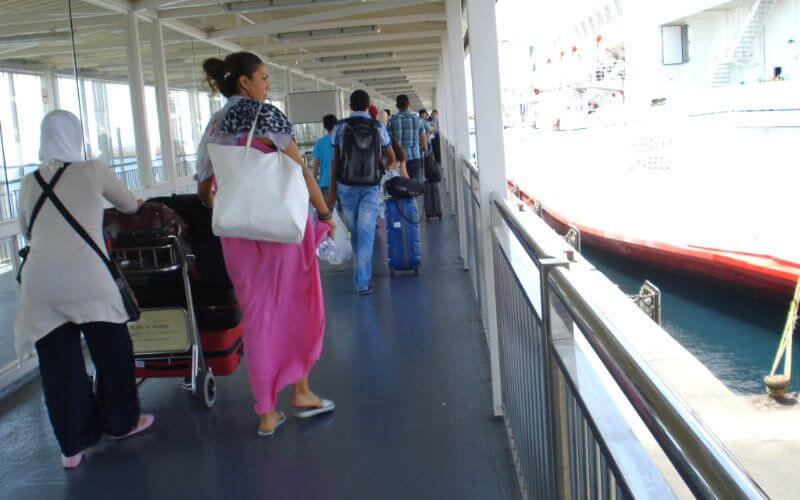
A new survey by the High Commission for Planning (HCP) on Moroccans living abroad shows that they are increasingly asserting themselves and gaining social mobility. They are a young and active population, (15 years and older), predominantly male, and with higher education.

The cost of living remains high in Morocco . This is indicated by the report of the High Commission for Planning (HCP).
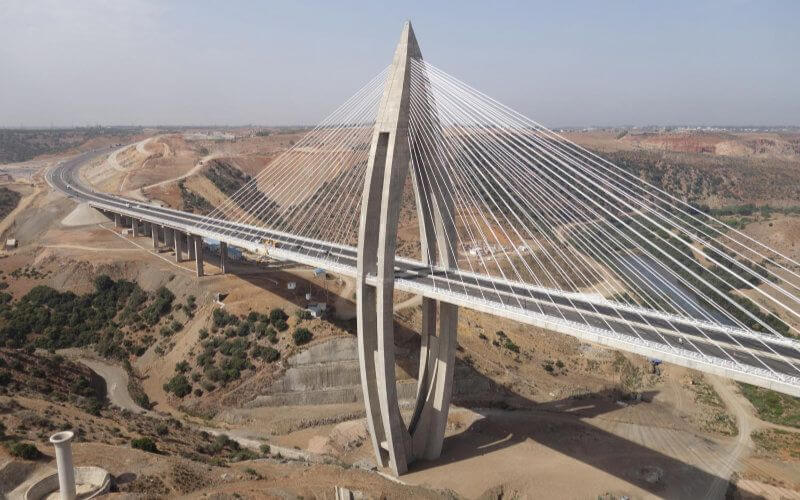
National economic growth will increase by +3.3% in the first quarter of 2020, compared to +2.5% in the first quarter of 2019, according to the High Commission for Planning, in its business outlook for the fourth quarter of 2019 and its prospects for the first quarter of 2020.

Moroccan migrants are mainly young married people, according to the preliminary results of the national survey on international migration carried out in 2018-2019 by the High Commission for Planning (HCP).
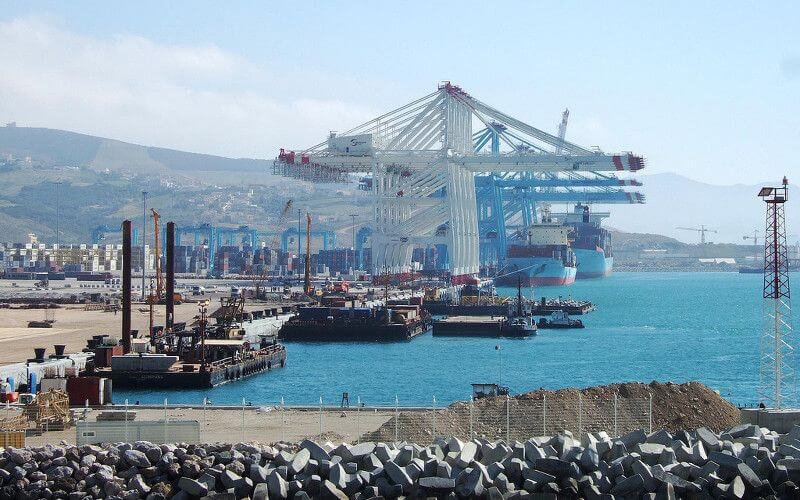
Moroccan economic growth experienced a slight slowdown in the 3rd quarter of 2019, now reaching 2.1% compared to 3% a year earlier, according to the High Commission for Planning (HCP).

As part of a survey on international migration, the High Commission for Planning (HCP) has developed the typical profile of Moroccan migrants. They are mostly men aged 25 on average, single, who leave for higher education or to find a livelihood.
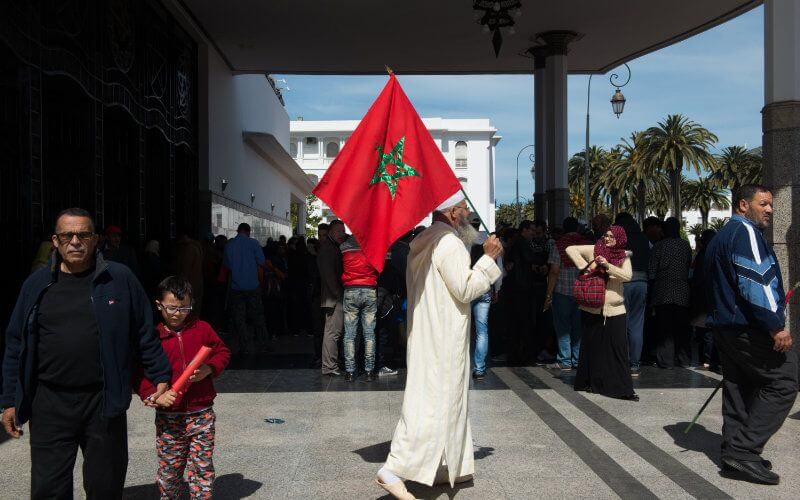
The Moroccan GDP stood at over 1,100 billion dirhams at the end of 2018, with a significant contribution from financial and non-financial companies. It is slightly improved by 4.1% compared to 2017.