The jackpot for Morocco: €1.5 billion collected thanks to the AFCON
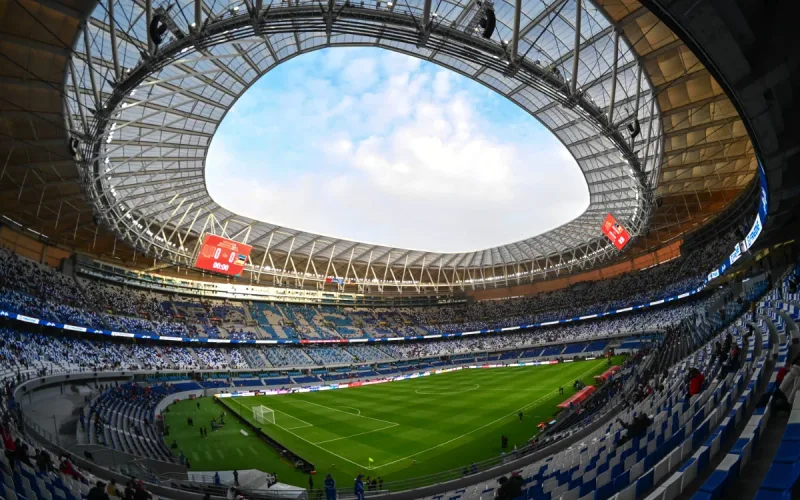
The Moroccan government has announced that the organization of the 2025 Africa Cup of Nations (AFCON) has generated more than €1.5 billion in direct revenue for the national economy. In addition to these immediate benefits, the country has mobilized €2.3 billion in structural investments, allowing the completion of nearly 80% of the infrastructure required for the 2030 World Cup.
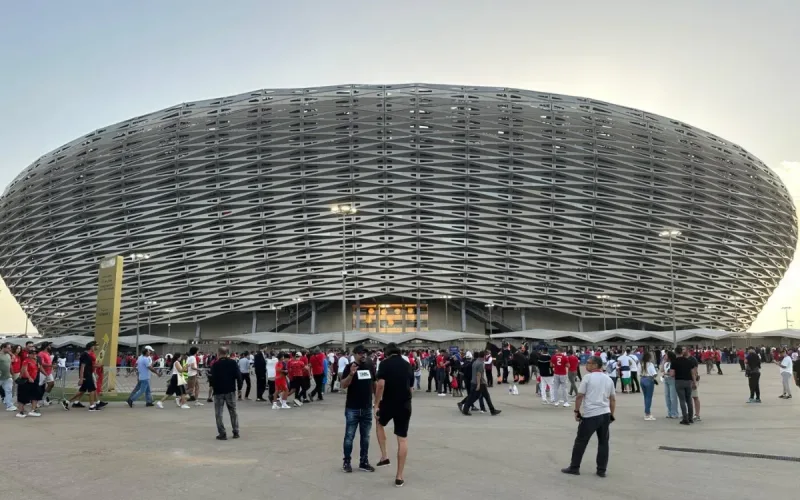
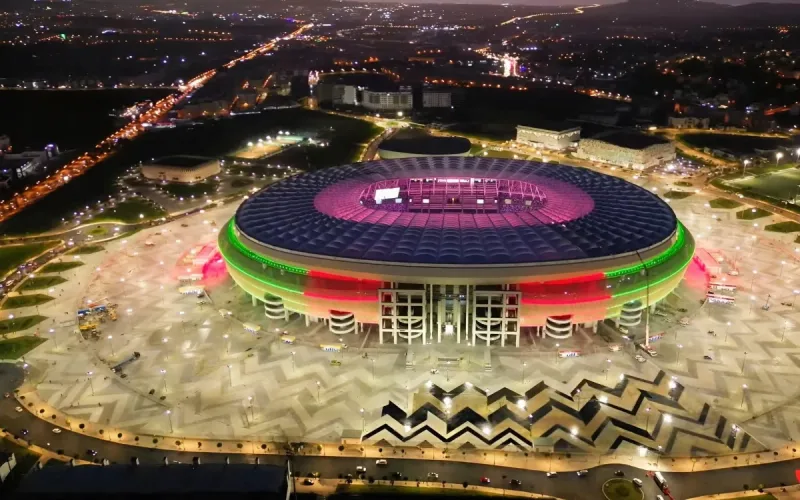
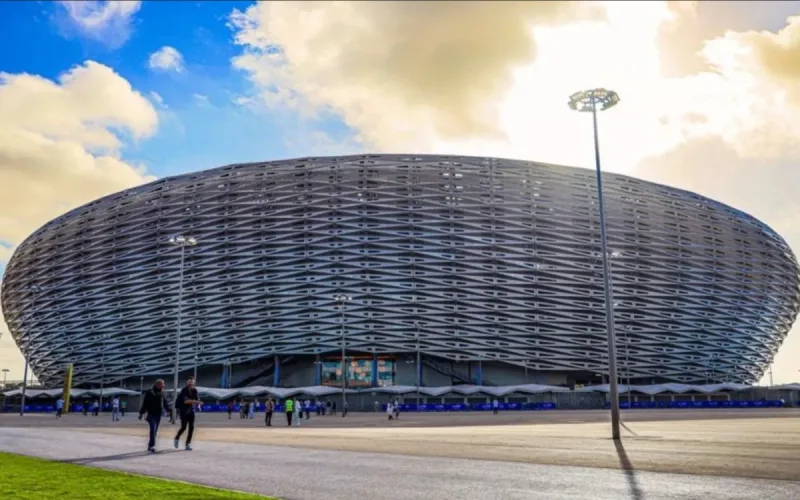
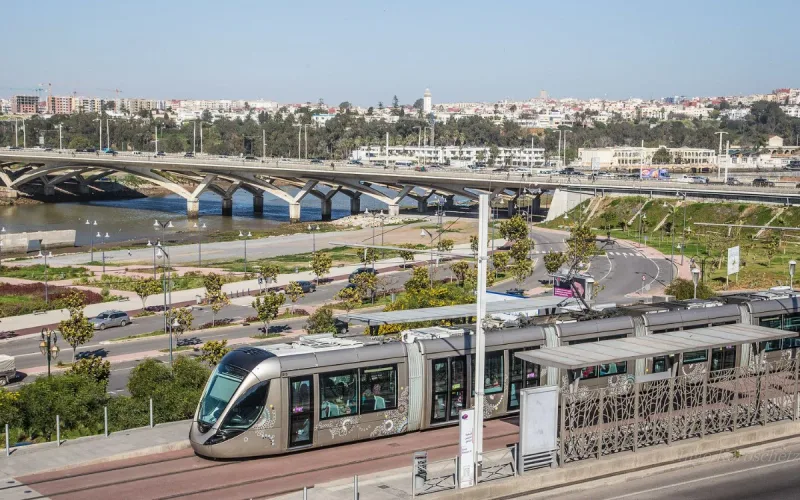
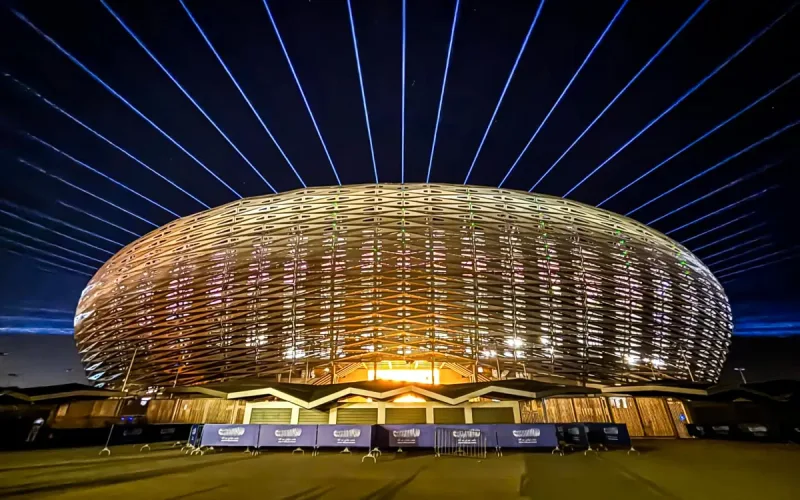
The Minister of Industry and Trade, Ryad Mezzour, highlighted the accelerating effect of the tournament on the country’s development, stating that the Kingdom has gained a decade of growth in just 24 months. The investments made have focused on the construction or rehabilitation of nine stadiums, as well as the modernization of road, airport and urban service networks. These infrastructures have been designed to meet the needs of citizens for the next fifty years, while stimulating local industrial activity with the participation of more than 3,000 national companies.
On the social level, the competition has favored the creation of more than 100,000 jobs, a significant portion of which have benefited from training to international standards to ensure sustainable employability. The tournament was held in a context of record performance for the Moroccan tourism sector, which recorded 20 million arrivals in 2025, an increase of 14% year-on-year. The 600,000 visitors specifically attracted by the competition have boosted the hotel, catering and craft sectors, injecting direct liquidity into the local economic fabric.
The organization has also served as a lever for technological transformation with the widespread deployment of 5G, online ticketing systems and cybersecurity solutions. These advances have made it possible to optimize operating costs and strengthen the country’s attractiveness for foreign investment. With a global audience of 2 billion viewers and 10 billion views on social networks, Morocco has consolidated its reputation as an event hub capable of managing large-scale events.
In the perspective of the 2030 World Cup, co-organized with Spain and Portugal, the authorities estimate that the bulk of the main infrastructure is already operational. The remaining 20% of projects are now focused on strategic projects such as the extension of the high-speed rail line (LGV) to Marrakech and Agadir, the increase in hotel capacity and the completion of the Grand Stadium in Casablanca. This last component is part of an inclusive development trajectory aimed at ensuring the sustainability of the investment ecosystem created by recent sporting successes.