
16 Kilometres from Morocco, Marbella Has Become the Playground of More Than 100 Gangs
More than 100 criminal groups operate on the Costa del Sol, which has become a hub for international drug trafficking. Its proximity to Morocco, Gibraltar and the port of Algésiras facilitates business, but also settling scores between rival networks.
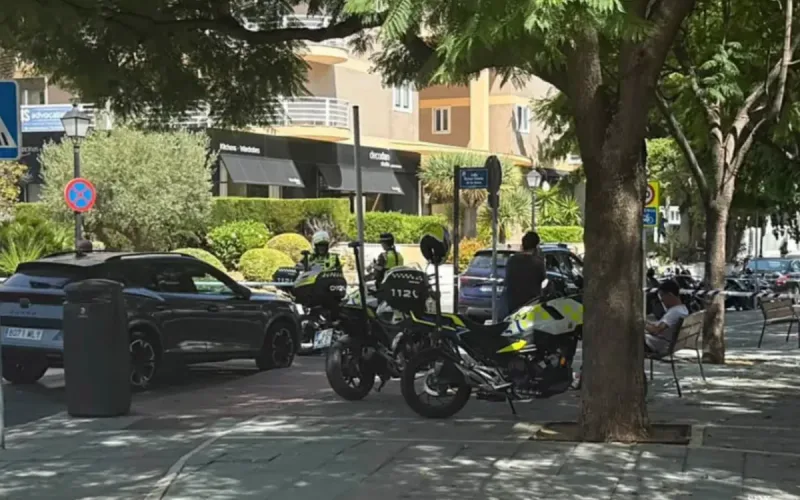
Three shootings have shaken the province of Malaga in recent weeks, two of them in Marbella. These daytime acts of violence illustrate the exceptional concentration of international criminal networks in this part of the Spanish coast, located just 16 kilometres from the Moroccan shores.
More than 100 groups from several dozen nationalities are reportedly present today on the Costa del Sol, according to experts interviewed by The Sun. Britons, Dutch, Moroccans, Albanians, Italians, French and Spaniards may meet there to organise drug imports, launder money or recruit teams responsible for logistics and violence.
Marbella offers almost everything these organisations are looking for: luxurious residences allowing them to blend into a wealthy international population, a property market conducive to money laundering and a strategic position between several major drug-trafficking routes.
On Bladi.net : Marbella: Three Moroccans arrested after a shootout and the seizure of a ton of cocaine
Morocco lies just across the strait, Algésiras is one of Europe’s main ports and Gibraltar offers immediate access to international maritime routes. The region thus serves as a meeting point between networks transporting cannabis from North Africa and those importing cocaine from Latin America.
Chris Dalby, a specialist in organised crime and head of intelligence at the company Dyami, describes in particular an environment in which a British trafficker can meet a Dutch-Moroccan intermediary, an Albanian cocaine supplier and a Spanish logistics team. The concentration of these criminal skills in turn fuels the establishment of new networks.
The Bosses Leave for Dubai, While the Foot Soldiers Remain in Marbella
The situation is nevertheless changing. Some of the major crime bosses have left the Costa del Sol for Dubai, Turkey or other countries where extraditions and international judicial cooperation may be more difficult.
The lower ranks, however, remain essential on the ground to receive the goods, store them, transport them and collect the money. This movement of the bosses is thought to have contributed to making the networks established around Marbella more unstable and more violent.
Alliances change according to shipments and interests. Two organisations may cooperate on an import, then turn against each other after drugs disappear, a debt goes unpaid or a division is disputed. Kidnappings, torture and murders occur when these groups can no longer settle their disputes by other means.
The presence of networks linked to Morocco on the Costa del Sol is already well documented. Spanish authorities have notably carried out several operations against groups associated with the Mocro Maffia established around Marbella. Moroccan nationals have also been arrested in recent cases involving shootings and cocaine trafficking.
On Bladi.net : Drug Gang Violence Escalates in Spain’s Costa del Sol Resort Towns
Spanish police have strengthened their presence in the region with a specific plan against organised crime. This pressure is now making life more difficult for major traffickers, without eliminating the criminal infrastructure built up over several decades.
Some networks could therefore move their activities to Alicante, Murcia, Valencia or Ibiza. But Marbella retains an advantage that is difficult to reproduce elsewhere: an exceptional concentration of logisticians, money launderers, traffickers and enforcers capable of organising every stage of an international criminal operation.