Morocco
Moroccan Businesses Face Rising Loan Defaults Amid Economic Challenges
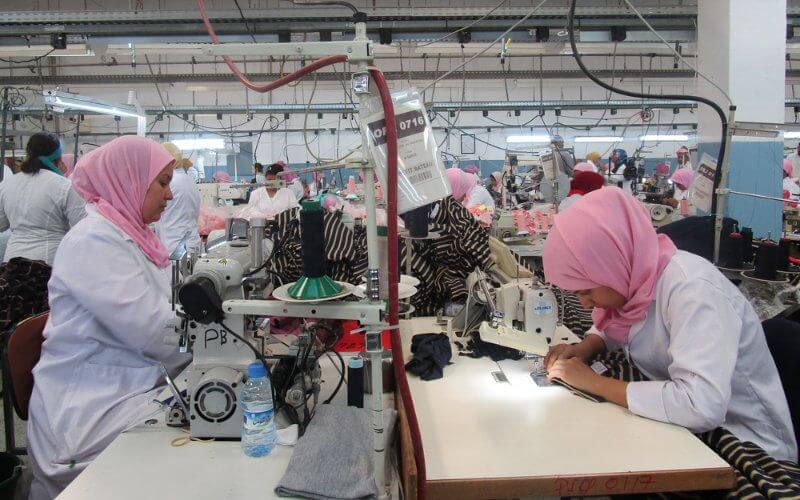
Moroccan companies are increasingly unable to repay their loans to banks. The table of outstanding receivables is worrying.

Moroccan companies are increasingly unable to repay their loans to banks. The table of outstanding receivables is worrying.
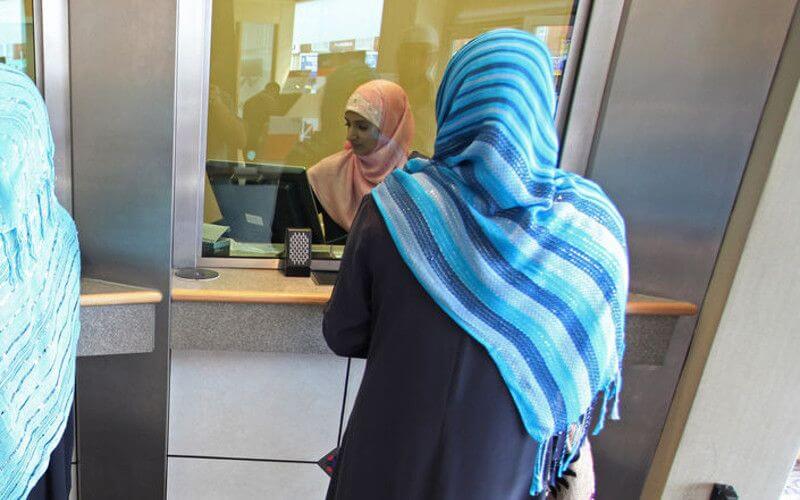
At the end of October, Moroccan participatory banks showed an increase in outstanding financing and deposits. This is proof of the sector’s resilience to the health crisis.

Heavily impacted by the effects of the health crisis, tourism transport professionals are crying out in distress. During a second meeting with officials from the Ministry of Tourism in the presence of the Professional Group of Banks of Morocco , they called on the government to take urgent and realistic measures to relieve companies of financial pressures, while involving them in the decision-making process.
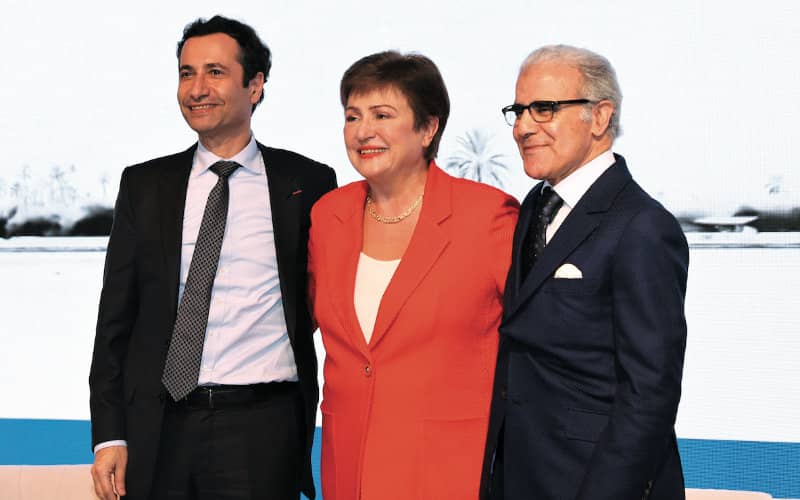
On December 21, Morocco decided to repay in advance part of the drawdown made on the Precautionary and Liquidity Line in April last year. The Ministry of Finance and Bank Al Maghrib provided more details on this operation.
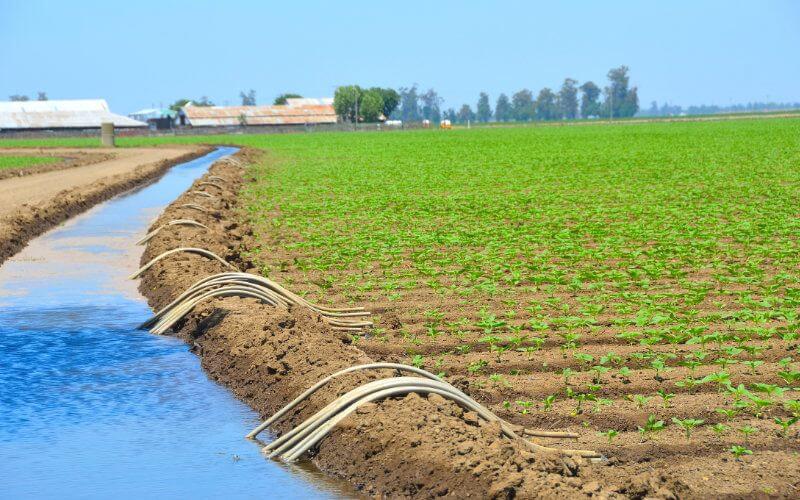
The World Bank will allocate a $250 million financing to the program aimed at supporting the Génération Green (Al Jayl Al Akhdar) strategy dedicated to agriculture. This program was approved this week by the Board of Directors of the institution.
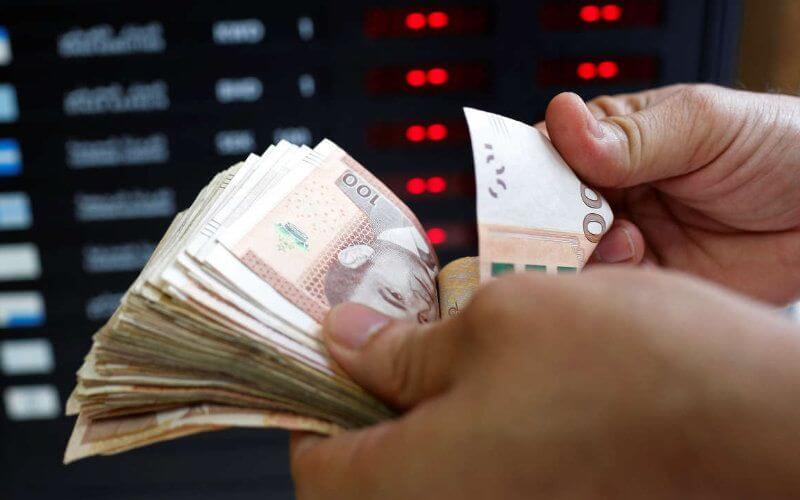
By the end of the year, it is likely that the Caisse Centrale de Garantie (CCG), the main player in monitoring and facilitating access to financing in the Kingdom, will total between 85,000 and 86,000 additional loans. This is the estimate made by the Director General of the Fund, Hicham Zanati Serghini.
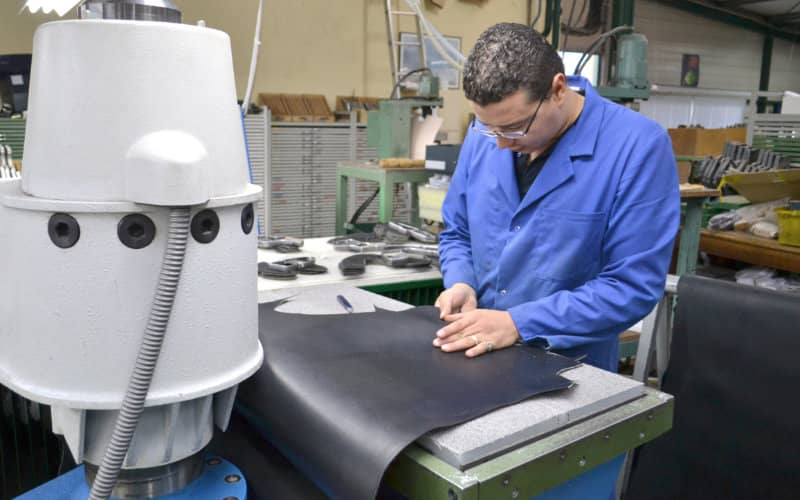
A total of 80,000 small and medium-sized enterprises have been saved from bankruptcy thanks to Morocco’s loan guarantee programs. The announcement was made by the Minister of Economy, Mohamed Benchaâboun , last week, during a session at the House of Advisors.
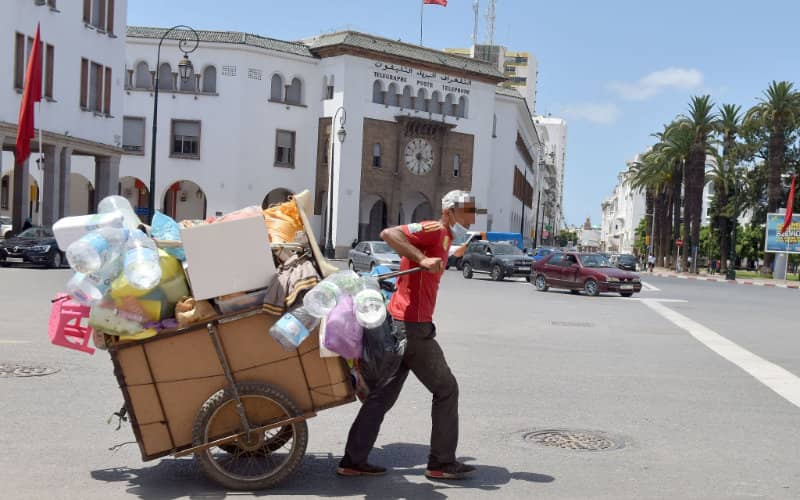
As of December 4, 2020, nearly 50 billion dirhams have been mobilized under the guaranteed loan scheme, as part of the national economic recovery plan. This was stated last Friday in Rabat by the Minister of Economy, Finance and Administrative Reform, Mohamed Benchaâboun.
In Morocco as in Nigeria, due to the health crisis, the percentage of non-performing loans will reach double digits. Even if the prospects for African banks will be stable in 2021, the return to pre-Covid performance levels is not expected for nearly two years, analyzes Fitch Ratings.

A loan agreement of $200 million from Japan has been granted to Morocco . Its objective is to support the Kingdom’s efforts in the fight against the Covid-19 pandemic.
The Moroccan banking system recorded, at the end of September, 80 billion DH in unpaid loans, or 8.5% of the outstanding bank loans. However, some banks have stated that these figures are rather positive compared to the beginning of the health crisis.
As of the end of September 2020, the number of beneficiaries of the deferral of the maturities of real estate and consumer loans for people impacted by the health crisis related to Covid-19 , put in place on March 19 by the Economic Monitoring Committee, reached 471,742 households in the Kingdom. At the same time, 32,248 requests from companies were validated by the banking sector.