Spain
Spanish Army to Repatriate Remains of Hundreds from Moroccan Cemeteries to Melilla
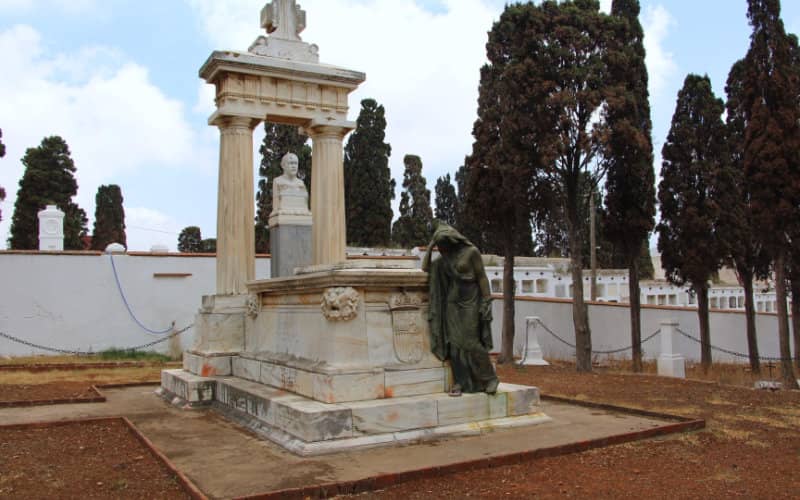
The remains of hundreds of Spaniards buried in cemeteries in Morocco will be exhumed and transferred to dedicated spaces in Melilla.

The remains of hundreds of Spaniards buried in cemeteries in Morocco will be exhumed and transferred to dedicated spaces in Melilla.
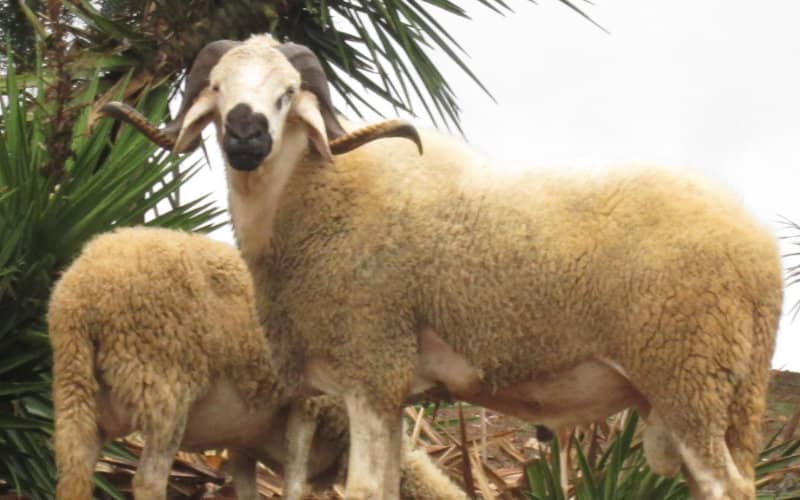
It is still not possible to import lambs from Morocco to Melilla for the celebration of Eid al-Adha. The reason is the 2015 foot-and-mouth disease epidemic, to which the Covid-19 health crisis, which has led to the closure of the Moroccan borders, has been added.
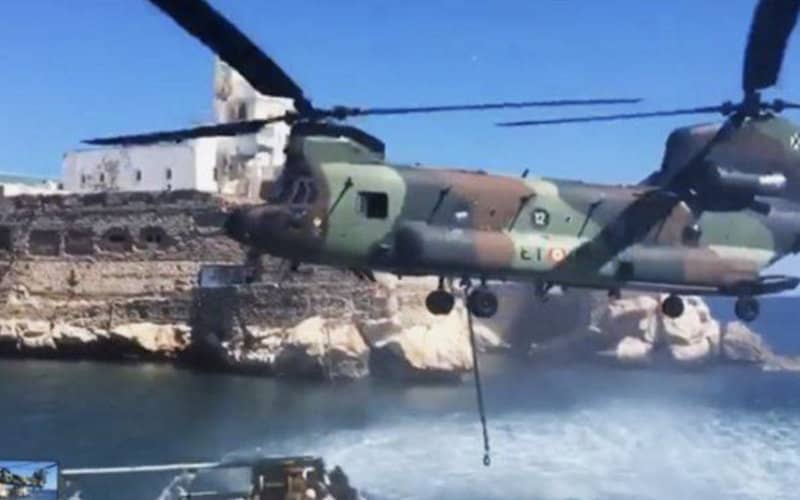
The Spanish army plans to exhume and transfer the remains of bodies buried in the cemeteries of the Vélez la Gomera and Al Hoceima rocks to the Melilla cemetery. This transfer comes in the context of a major diplomatic crisis between Spain and Morocco.
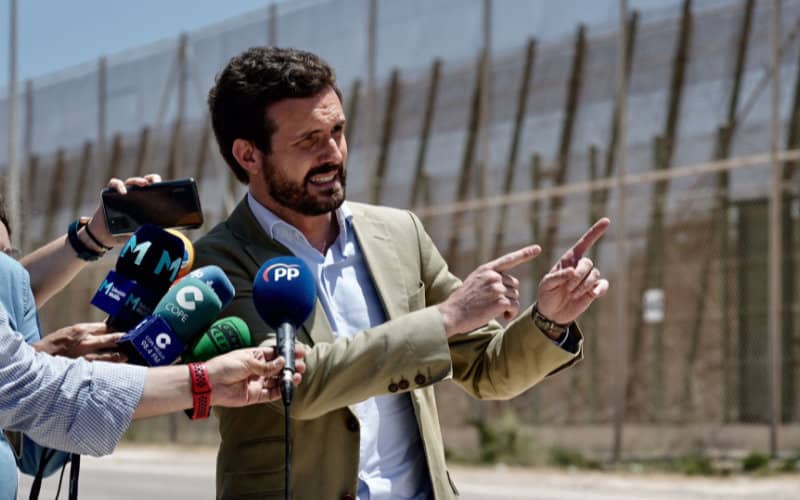
The leader of the Popular Party (PP), Pablo Casado, called on Wednesday the head of the Spanish Executive, Pedro Sanchez, to resume relations with Morocco after the departure of Arancha Gonzalez Laya whose management of Spanish foreign policy has been a "catastrophe" .
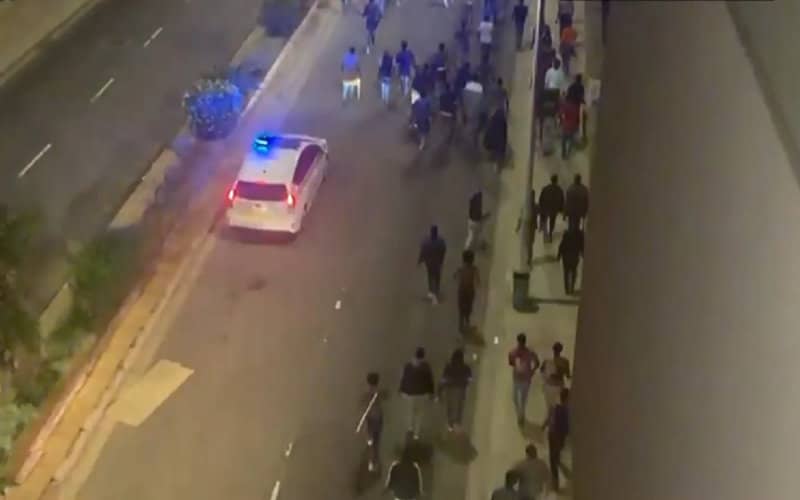
A group of 119 sub-Saharan migrants illegally entered Melilla on Monday, crossing the high metal fence that separates the autonomous city from Morocco.
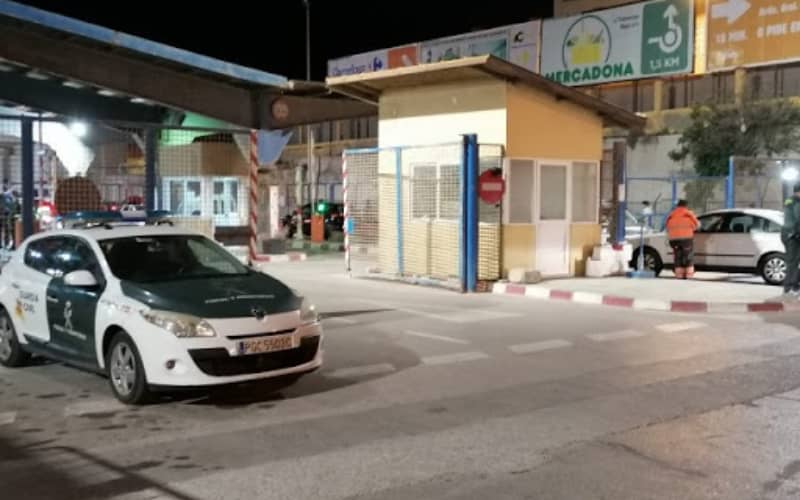
The strategic recovery plan for Ceuta to counter the economic blockade imposed by Morocco, proposed by the city’s president, Juan Vivas, will be submitted for approval to the plenary session before being sent to the Spanish government. Among other things, it provides for the integration of Ceuta into the EU customs union.
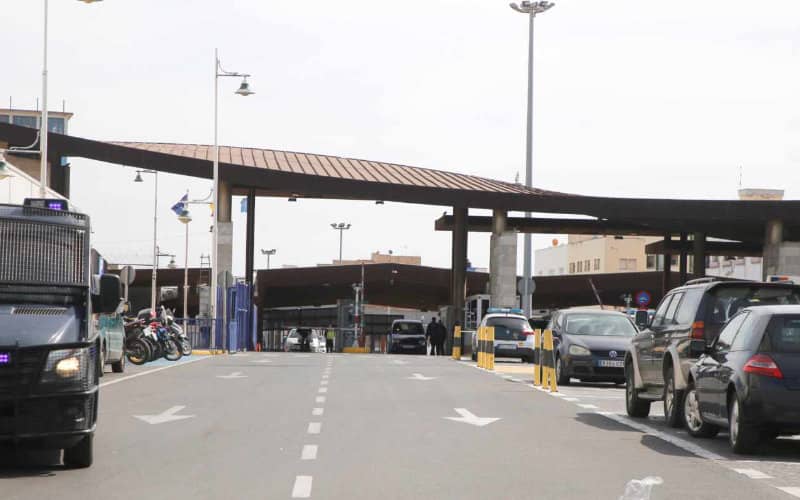
The closure of the border posts between Ceuta, Melilla and Morocco has been extended until July 31 due to the Covid-19 pandemic. A decision from the Spanish Ministry of the Interior.
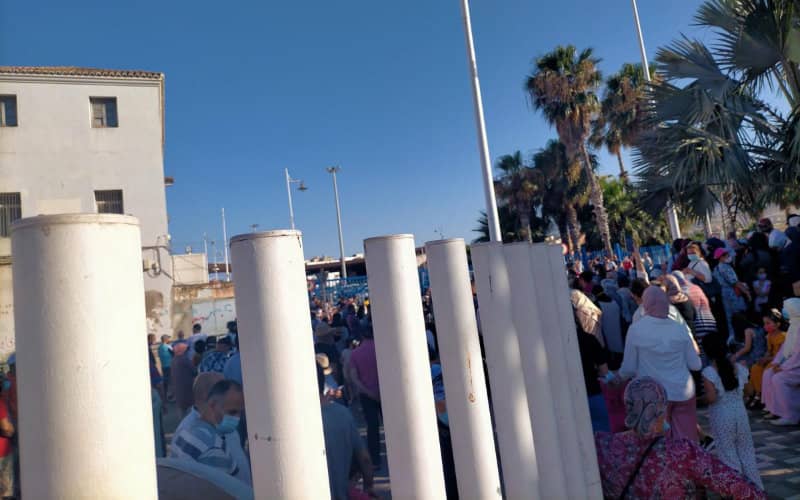
Hundreds of Moroccans residing in Melilla demonstrated on Sunday to "implore" King Mohammed VI to reopen the borders to allow them to see their loved ones in Morocco.
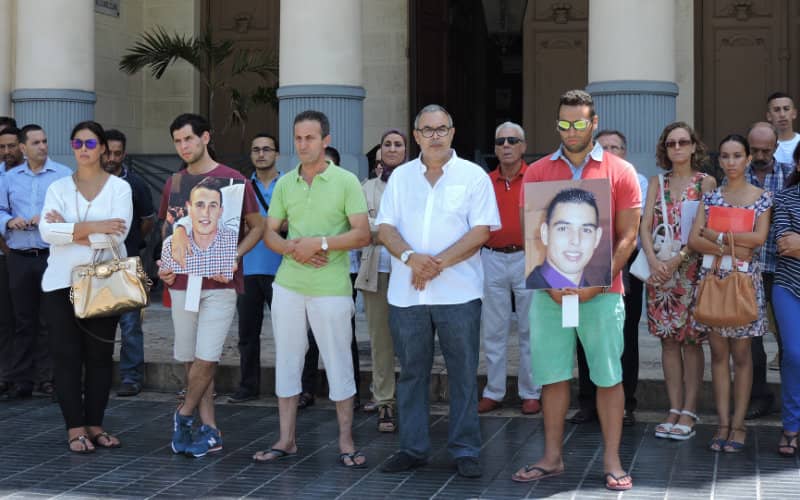
The families, relatives and friends of Emin and Pisly , the two Spaniards killed by the Moroccan Navy in 2013, demonstrated on Monday in Melilla to demand justice.
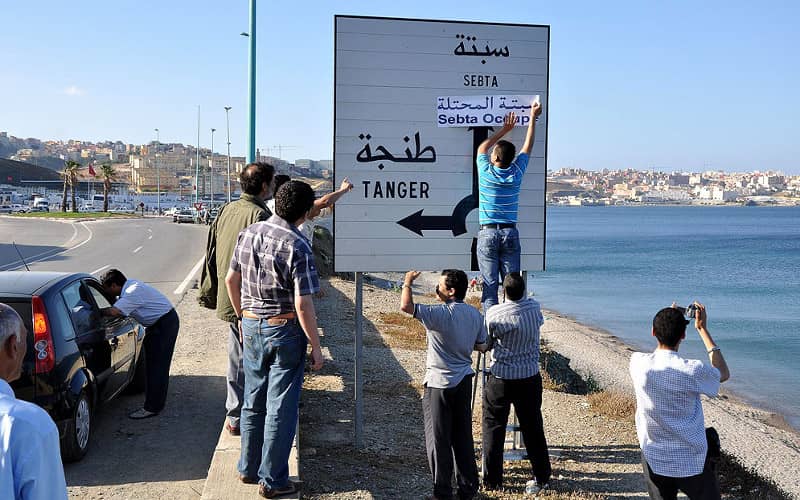
The Arab Parliament, the legislative body of the Arab League, has voted an emergency resolution recognizing the autonomous cities of Ceuta and Melilla as "Moroccan cities".
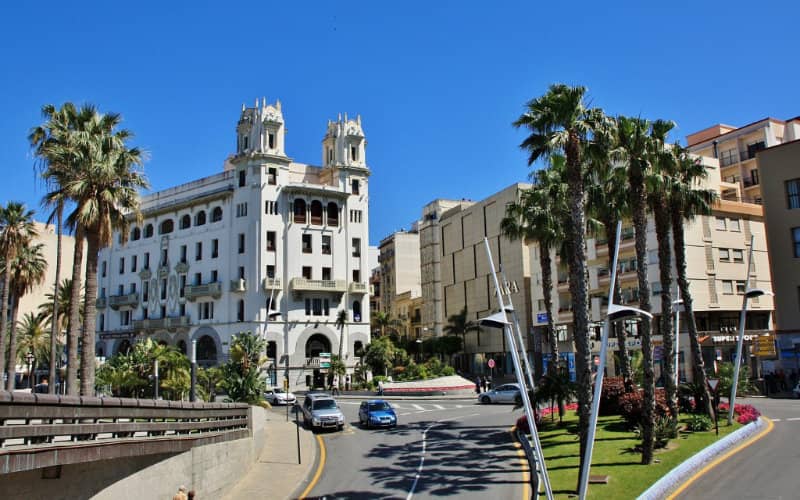
The Spanish government plans to urgently implement a strategic plan to fight the "economic blockade of Morocco" on Ceuta and Melilla.
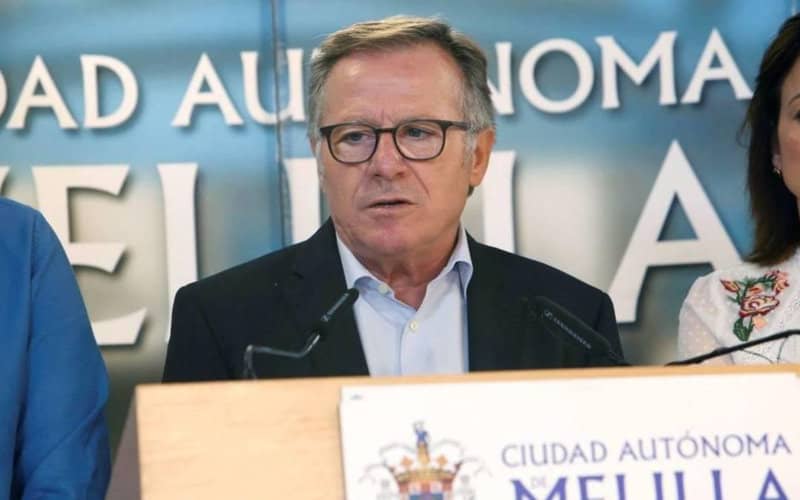
The President of Melilla, Eduardo de Castro, has criticized Morocco’s strategy of stifling Ceuta and Melilla, with the construction of large ports in the north of the country and the cessation of the supply of Melilla with smuggled goods.