Moroccan Expatriates Cushion Energy Crisis Impact on Economy
The rise in energy bills is expected to widen Morocco’s external deficit in 2026. However, remittances sent by Moroccan expatriates, along with tourism revenues, will help absorb part of the shock.
The Middle East conflict is beginning to weigh on Morocco’s accounts. The World Bank predicts that the current account deficit will rise from 2.4% of GDP in 2025 to 3.3% in 2026, notably due to the increase in energy and equipment imports.
On Bladi.net : Morocco Tourism Revenue Surges 21% Despite Trade Deficit Concerns
Brent crude is now expected to average around 94 dollars in 2026, 57% more than the 60 dollars anticipated at the beginning of the year. This surge should also reduce Moroccan growth by 0.8 percentage points, bringing it down to 4.2%.
In its Report on Monitoring the Economic Situation in Morocco, the World Bank specifies that the deterioration of the external deficit will be "partially offset" by transfers from Moroccans residing abroad and by tourism revenues.
MRE remittances cushion the bill
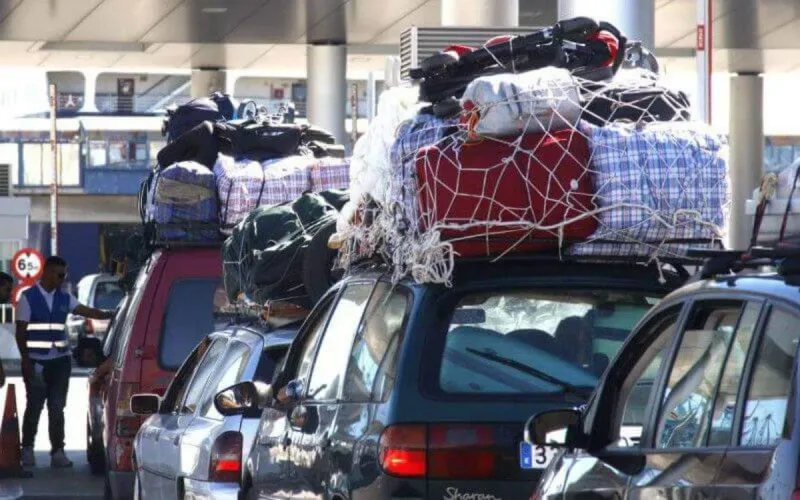
Moroccan expatriates obviously do not directly pay for Morocco’s oil imports. However, their transfers bring foreign currency to the country and reduce the imbalance caused by the sums spent abroad to purchase energy, equipment and other products.
Tourism revenues play the same role. They had reached a record level equivalent to 8.1% of GDP in 2025, already limiting the effects of the widening trade deficit. Transfers from Moroccan expatriates constitute another regular external inflow on which Morocco can rely when its imports increase faster than its exports.
The World Bank does not calculate exactly what the deficit would be without the money sent by Moroccans around the world. However, it clearly establishes that these transfers will prevent the energy bill and major equipment purchases from weighing even more heavily on the balance of payments.
On Bladi.net : MRE Transfers Morocco 40 Billion Dirhams 2026
Morocco also maintains a safety cushion. Its international reserves should cover approximately five months of imports throughout the period studied. The current deficit could then fall back to 2.3% of GDP in 2027 and to 1.9% in 2028, as major projects will require fewer imported equipment.