Morocco
Morocco Unveils Plan to Repatriate 32,000 Citizens Stranded Abroad Since March
The government would have already put in place the repatriation plan for the 32,000 Moroccans, stranded abroad since the closure of Moroccan borders last March.

The government would have already put in place the repatriation plan for the 32,000 Moroccans, stranded abroad since the closure of Moroccan borders last March.
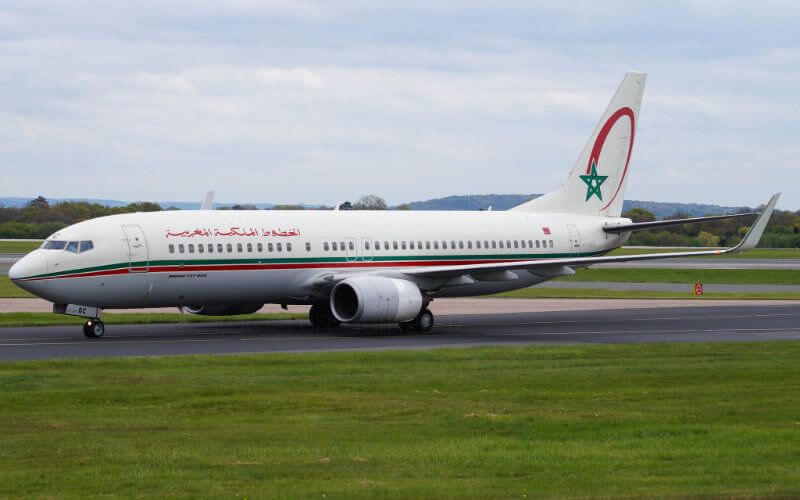
The Directorate of Civil Aviation has decided to resume commercial flights at the kingdom’s airports starting June 15, following the extension of the state of health emergency by the Moroccan government until the 10th of the same month.
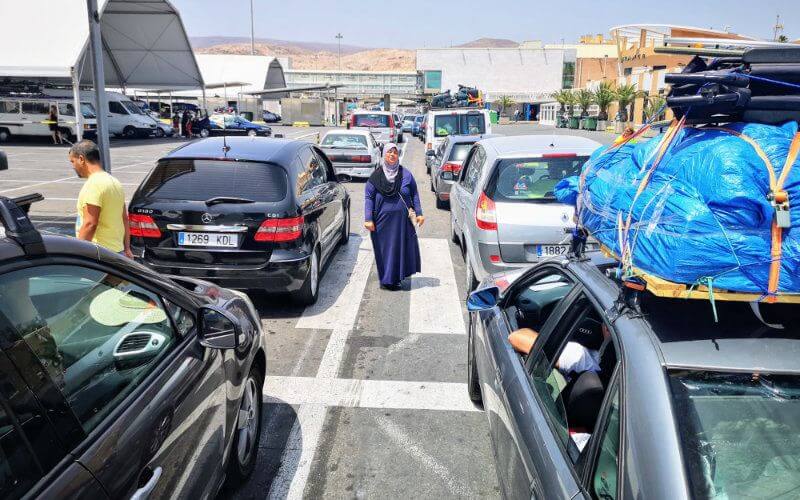
The return of Moroccans residing abroad to their country of origin this summer is still not on the agenda, according to Spanish media, which consider that the special health measures adopted in each of the countries concerned do not facilitate consultation on the subject.
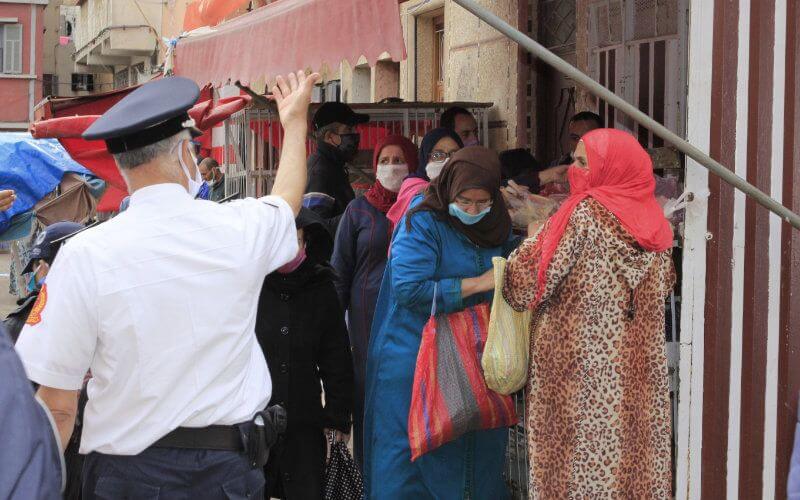
The lifting of lockdown measures will be gradual in Morocco on June 11. To succeed in this deconfinement, the government will require strict compliance with barrier gestures.

After announcing the return to GMT time on April 19 for the occasion of Ramadan, Morocco will return on May 31 at 2:00 AM to the GMT+1 time zone. The legal time of the kingdom will be advanced by 60 minutes (GMT +1).
Morocco has not yet changed time. An automatic bug on mobile phones and computers is responsible for the general panic that occurred on this Eid day.
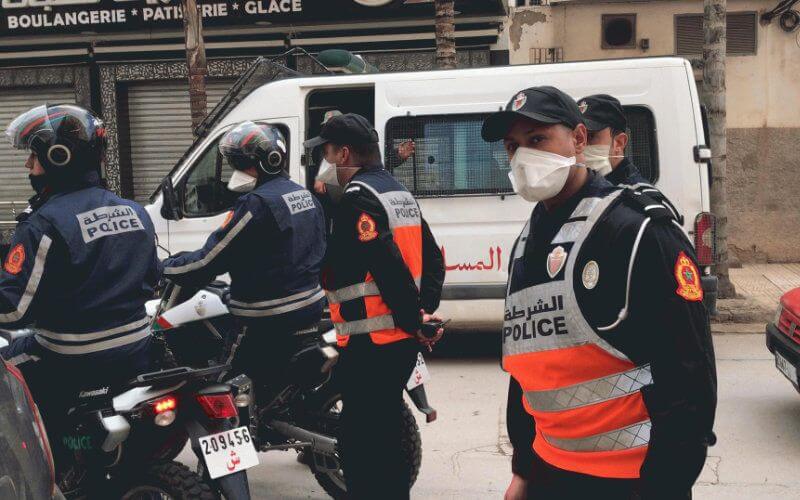
The government’s decision to extend the lockdown is not unanimous in Morocco. The head of government, Saâdeddine El Othmani was harshly criticized on Wednesday by the parliamentarians of the Istiqlal and the Authenticity and Modernity Party (PAM) for not easing the restrictions.
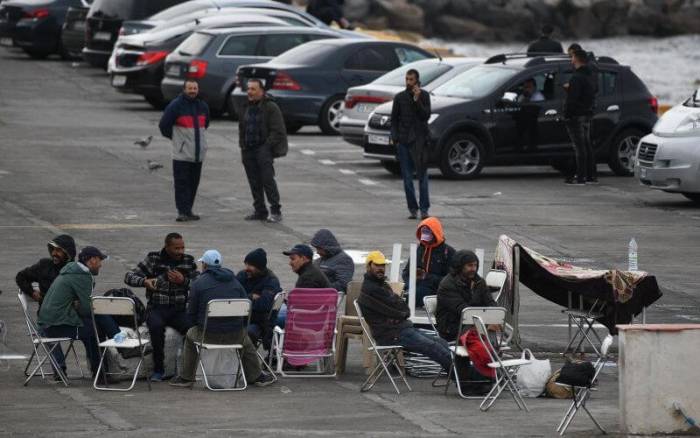
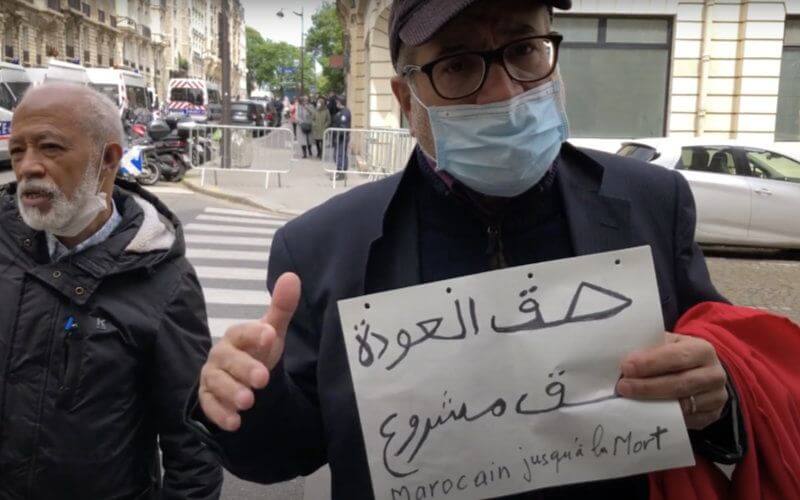
The number of Moroccans abroad now stands at 31,819. A few members of the Prime Minister’s family are among the compatriots who have been away from their families for more than two months.
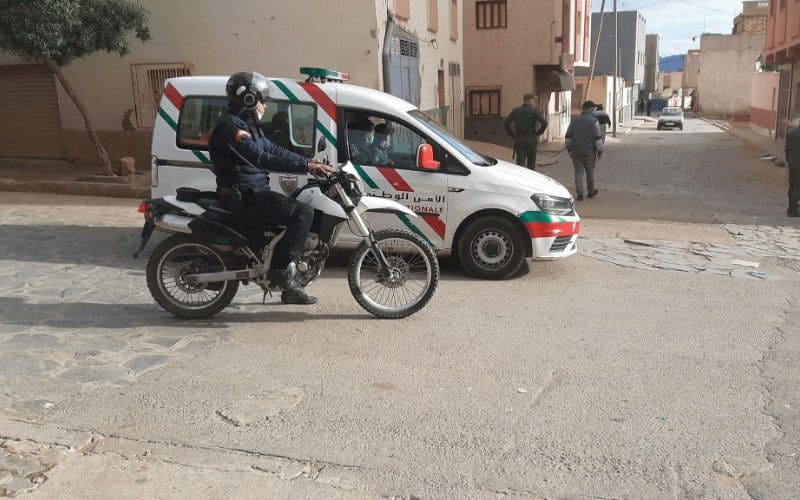
Morocco has extended the period of the state of health emergency for an additional 3 weeks in the fight against the covid-19 pandemic. This decision comes as the kingdom was preparing to decree deconfinement on May 20.
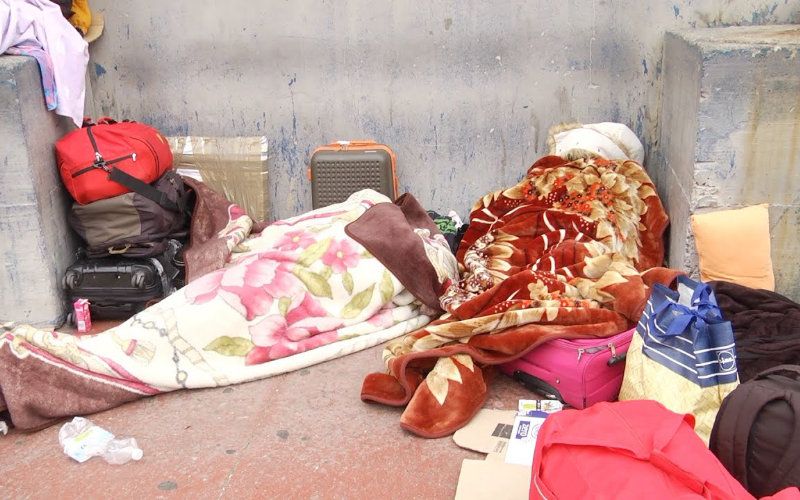
On Sunday morning, May 8, the Moroccan government sent 8 buses to Ceuta to repatriate the 350 Moroccans stranded in the Spanish enclave. A surprise decision by the authorities of the city, however, put an end to the operation.
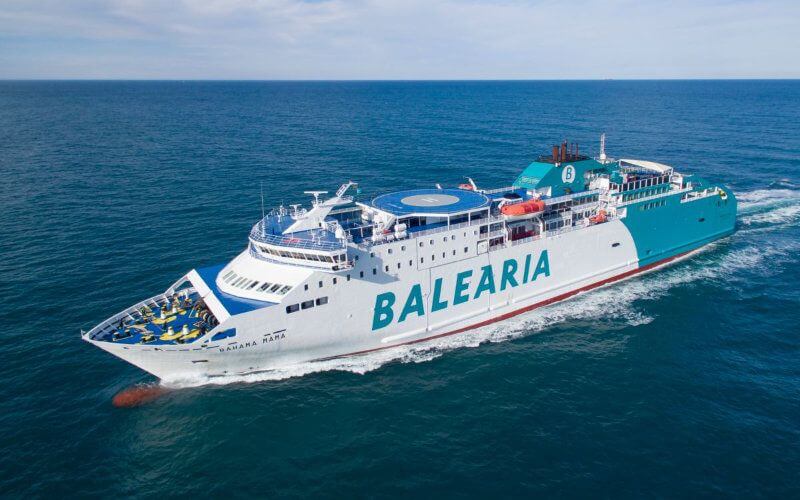
The reopening of the Moroccan-Spanish borders is an exceptional measure that will allow the repatriation of Spaniards and Moroccan residents in Spain, starting next week.
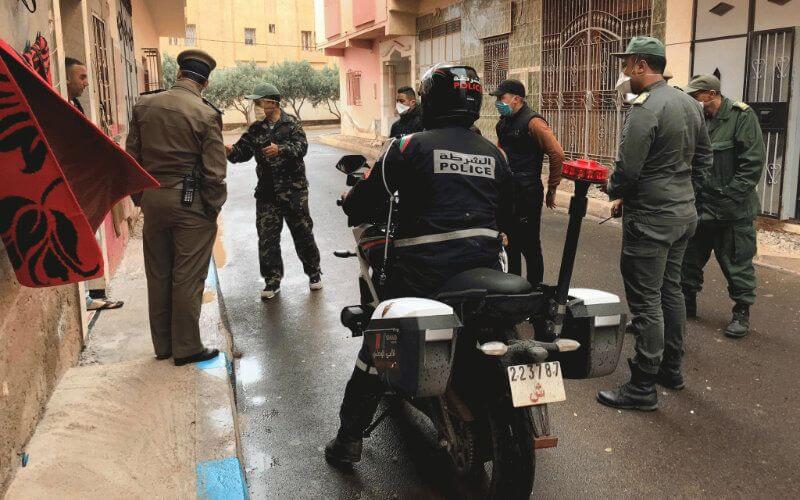
Morocco could be forced to extend the state of emergency a second time. The epidemiological situation in the kingdom, marked by a resurgence of covid-19 cases, could be behind this likely extension.