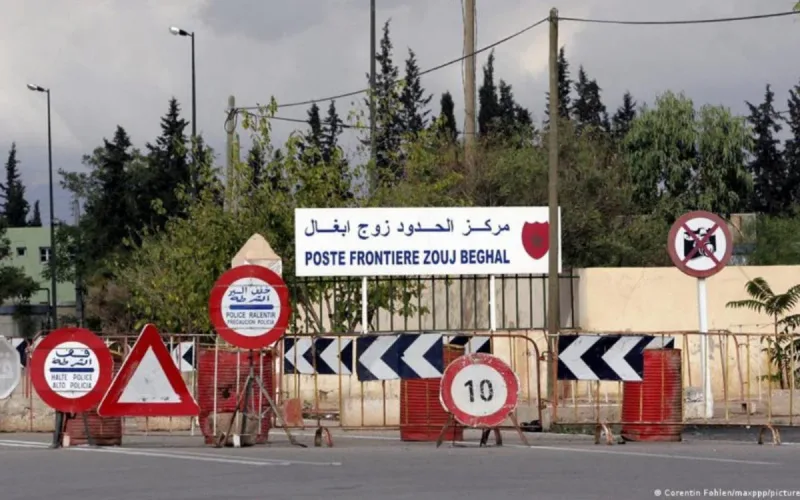
Morocco-Algeria Border: The "Fatal Trap" for Illegal Migrants
The recent discovery of several bodies of sub-Saharan migrants near the Morocco-Algeria border highlights the danger of the new migration routes. These tragedies would be linked to extreme weather conditions and lack of resources.
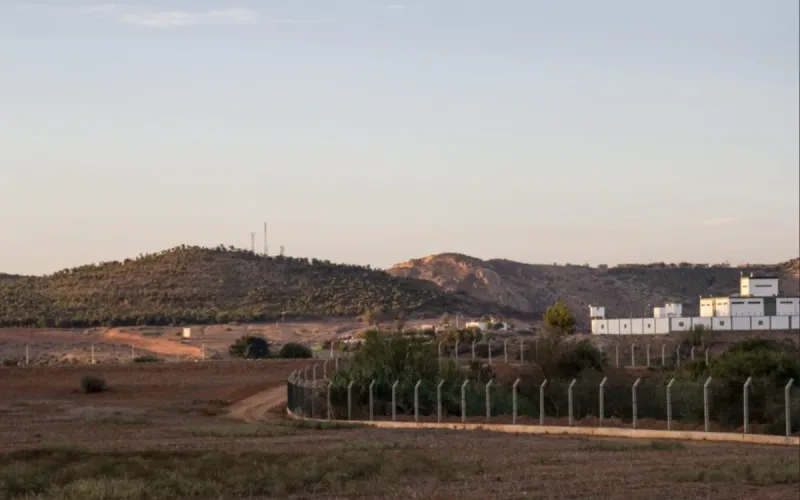
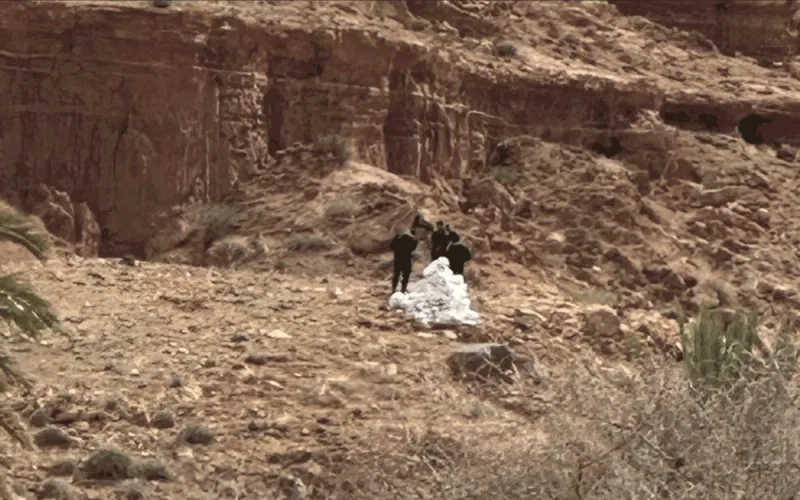
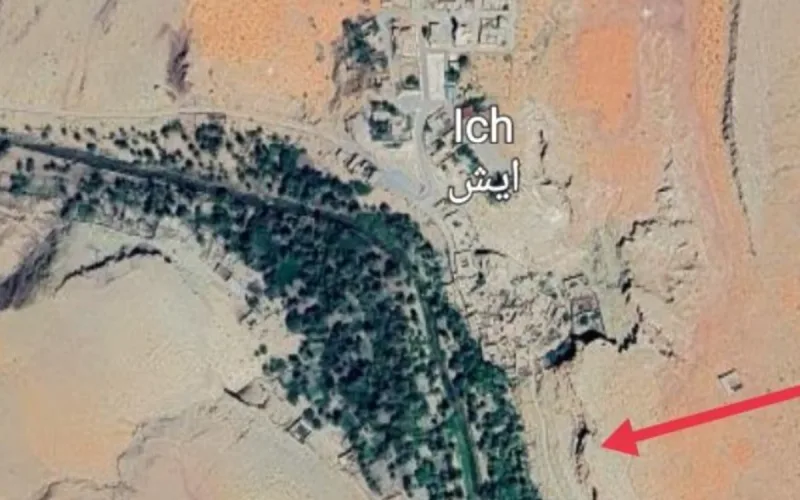
Six bodies were found in the eastern region. According to information from Al 3omk, four bodies were spotted on March 11, 2026 between Bouarfa and Aïn Chaïr, followed by two others the next day on the axis connecting Figuig to Bouarfa.
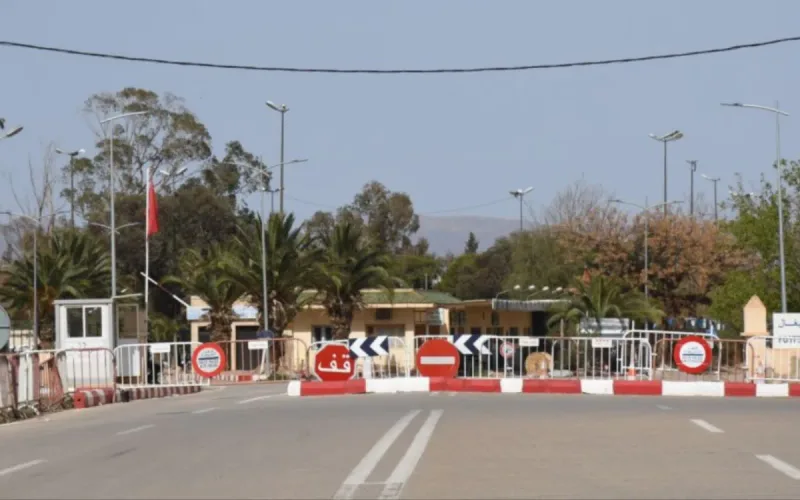
On Bladi.net: The Morocco-Algeria border opened for a few minutes
The public prosecutor ordered the transfer of the remains to Oujda for an autopsy. The first hypotheses favor a death caused by hunger and a sudden drop in temperatures in these vast areas devoid of any shelter.
This tragedy shows a geographical evolution of clandestine routes. The president of a local association specifies that this province constitutes a new crossing point for populations seeking to "flee conflict and war zones", particularly from Sudan or Libya.
Even before crossing the Moroccan border, several individuals report having been stripped of their belongings. The Moroccan Association of Human Rights (AMDH) indicates that these flows are often organized under the control of smuggling networks that bill transportation and rent transit housing in Oujda.
The mountainous area of "Ras Asfour" proves to be particularly hostile. In addition to deadly winter cold, this sector is dotted with deep flooded trenches that extend for dozens of kilometers, constituting fatal traps for already physically weakened travelers.
On Bladi.net: Algeria accused of expelling migrants to Morocco
These incidents recall the death of 23 people during the attempt to cross the Melilla fence in 2022. Associative actors estimate that the continuous strengthening of controls forces these populations to use increasingly perilous routes, calling for a regional humanitarian approach.