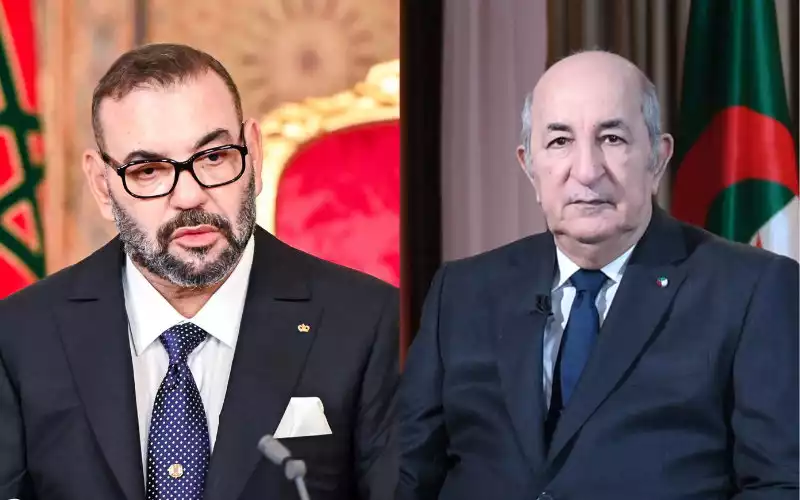
Morocco Algeria Conflict: Silent Danger Beyond War
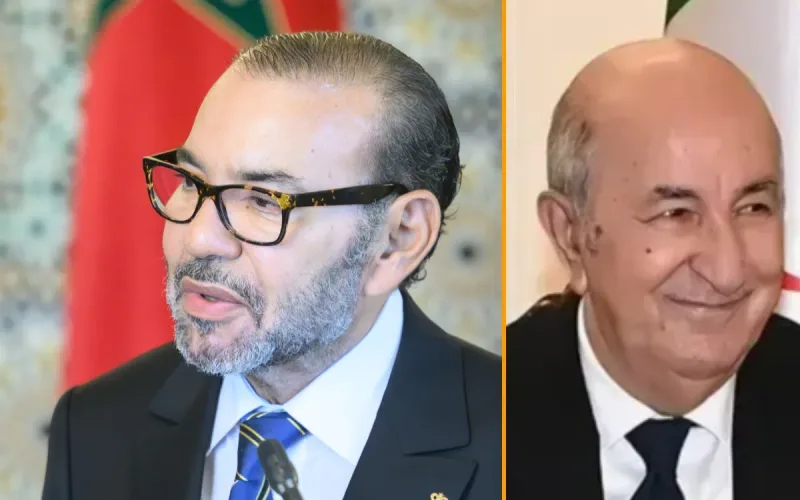
The rift between Rabat and Algiers is becoming so deeply entrenched that it could prove harder to reverse than an open crisis. A study published this month warns of a silent conflict that is gradually eroding dialogue, human relations, and the Maghreb’s capacity to defend its interests.
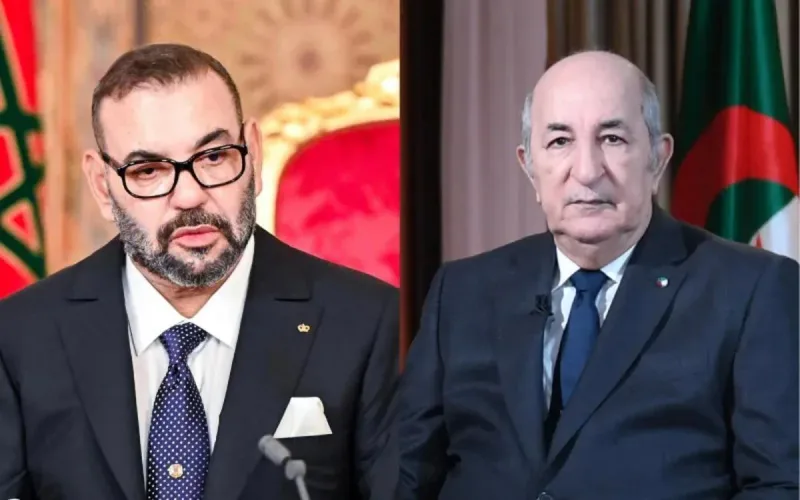
The main danger between Morocco and Algeria would not necessarily be the outbreak of war. It would rather lie in the establishment of a permanent, costly rivalry that becomes increasingly difficult to undo, according to a report by the Policy Center for the New South.
On Bladi.net : Morocco-Algeria: The security dilemma threatening to ignite the Mediterranean
Signed by Fadoua Ammari and Rida Lyammouri, the study estimates that the absence of dialogue is becoming a structural component of relations between the two neighbors. The land border has been closed since 1994, Algiers severed its diplomatic relations with Rabat in 2021 and reinstated visa requirements for Moroccan nationals in 2024.
These successive decisions would no longer constitute mere responses to isolated crises. They have gradually institutionalized the separation between the two countries and reinforced the perception of the neighbor as a permanent threat.
A rupture that ends up becoming normal
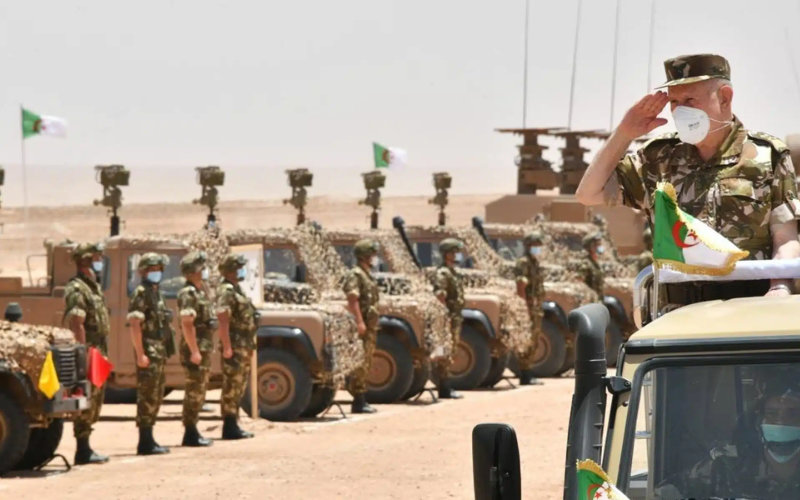
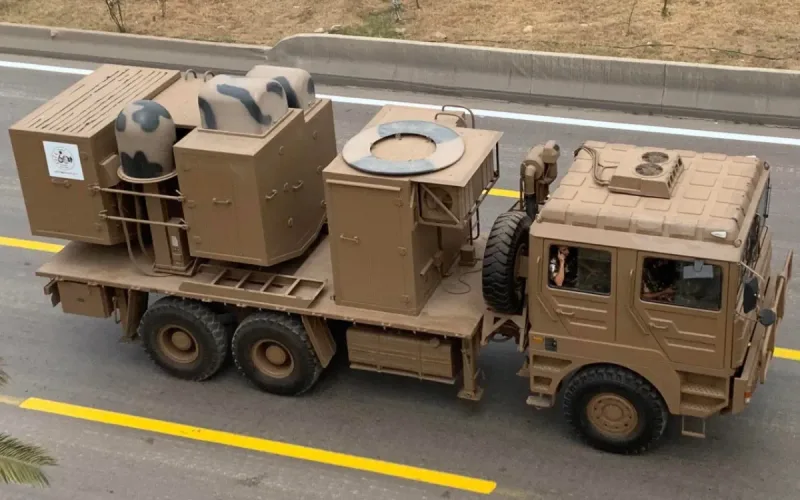
The report identifies three major risks: the normalization of diplomatic rupture, the growing militarization of mutual perceptions and the weakening of the Maghreb’s capacity to influence African, Sahel and Mediterranean issues.
This deterioration does not necessarily take the form of a spectacular crisis. It advances silently, with the scarcity of contacts, the hardening of doctrines and the gradual disappearance of cooperation habits. The authors speak of a "normalization of the abnormal," when the rupture ends up being accepted as the ordinary state of relations between Rabat and Algiers.
This situation also reduces the room for maneuver of leaders in both countries. The longer the separation lasts, the more a rapprochement attempt risks becoming politically costly. Public opinion can also find itself locked into antagonistic representations, fueled by discourse that systematically presents each advance by the neighbor as a loss for the other.
The cost far exceeds the mere closure of the border. Trade between Maghreb countries represented less than 5% of their total commerce, according to International Monetary Fund data cited in the study. The lack of coordination also weakens the region in the face of tensions in the Sahel, energy transformations, climate risks and new competitions in Africa.
The authors propose neither immediate reconciliation nor the prior settlement of all disputes. They advocate a gradual approach, beginning with the restoration of discreet technical channels, the creation of an incident management mechanism and the facilitation of humanitarian and family situations affected by the border closure.
A second phase could focus on less politically sensitive areas: health, water, climate, natural disasters, health security or university exchanges. The Sahara issue would remain central, but its lack of resolution should no longer, according to the researchers, automatically condemn all other forms of cooperation.
On Bladi.net : Morocco-Algeria Arms Race: New Military Technology Raises Regional Tensions
The paradox, then, is that the absence of war does not necessarily mean the absence of danger. By allowing the rupture to take root, Morocco and Algeria risk transforming a political rivalry into a permanent state, making each rapprochement more difficult than the last.