Morocco’s Fertility Rate Falls Below Replacement: What It Means for the Future
The fertility rate in Morocco fell to 1.97 children per woman in 2024, marking a historic turning point. For the first time, the country has dropped below the replacement rate, signaling the rapid aging of its population.
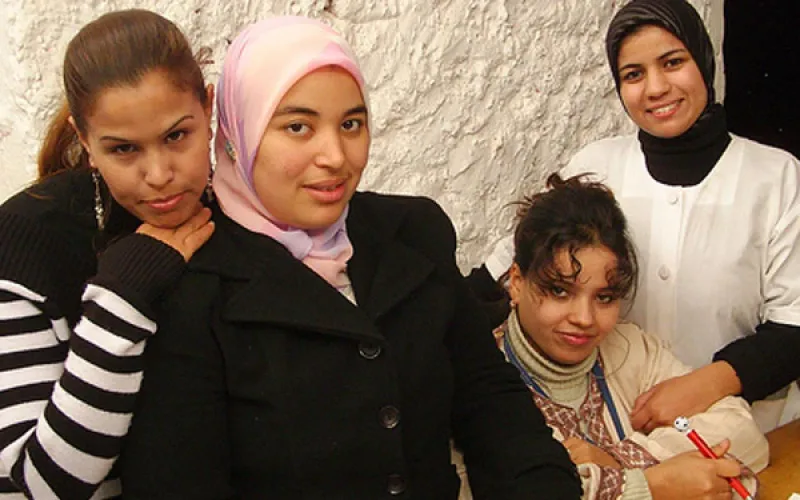
The National Observatory for Human Development confirmed that population growth fell to 0.85% in 2024, compared with 2.6% thirty years earlier. Although the overall population continues to grow, it now does so because of a “demographic momentum” driven by younger generations rather than high birth rates within households.
On Bladi.net : Morocco no longer has enough children, aging is accelerating
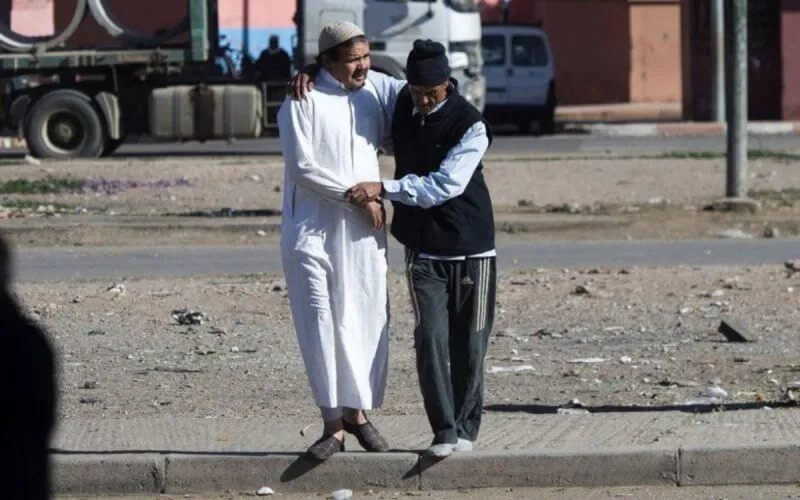
At the same time, Moroccans are living much longer, with life expectancy now reaching 76.4 years. This structural change is radically reshaping the age pyramid: the base is shrinking due to fewer births, while the top is expanding. By 2040, nearly one in five citizens will be over 60.
This transition raises major challenges for pension systems and public healthcare. While the decline in the number of schoolchildren could mechanically ease pressure on classrooms, population aging will create unprecedented demand for social protection and specialized care for older people.
On Bladi.net : Morocco’s Aging Population Surges: HCP Report Reveals 12.2% Over 60
Experts nevertheless highlight the opportunity presented by a “demographic window,” as the working-age population is expected to peak at 24.8 million by the end of the next decade. However, this economic lever will not remain open indefinitely, forcing the country to adjust its economic policies before its growth ultimately stabilizes.