Morocco tax crackdown foreign companies fraud penalties
Morocco’s tax administration is intensifying controls against foreign companies. Accused of capitalizing on the Kingdom’s vast construction projects to generate profits without paying their local taxes, these firms now face very heavy penalties.
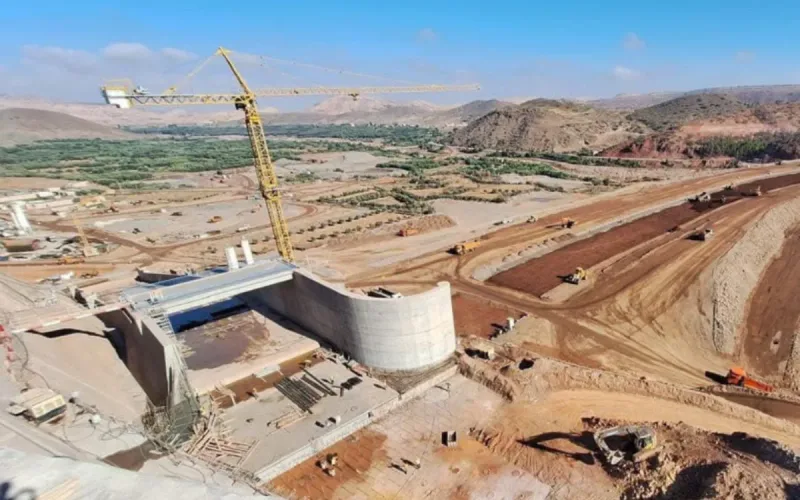
The investigators from the General Directorate of Taxes (DGI) are stepping up their efforts. According to revelations from Hespress, the investigators are primarily targeting three international companies that carried out highly profitable but short-term operations. These firms operate in digital services, equipment supply, and construction, directly attracted by the major projects driving Morocco’s economy. The tax authority systematically tracks these structures that rake in colossal profits without having an official headquarters in the country, and which "forget" to declare their actual revenues.
On Bladi.net : In Tangier, Property Owners Transform Their Land to Escape Taxes
To catch these fraudsters, the tax administration carefully cross-references its files. It scrutinizes public procurement data, validated contracts, and money transfers from abroad. The DGI has formally demanded that banks and payment institutions provide precise details on several suspicious transactions.
The noose is tightening with the sending of formal notices demanding immediate payment of arrears and late-payment penalties. Moroccan law is strict: Article 5 of the General Tax Code subjects to taxation any profit made on the territory, even in a purely occasional or exceptional manner.
On Bladi.net : Morocco: the tax authorities launch a massive offensive against "frozen" companies suspected of fraud
Verification operations are also targeting complex schemes. Inspectors discovered that some companies use local intermediaries or shell companies to mask the real volume of their business and circumvent tax thresholds. Faced with these practices, agents now dissect entire subcontracting chains to unmask the true final economic beneficiary. A firm way to ensure that no entity can enrich itself on national soil without contributing to state revenues.