Morocco
Tangier Faces Waste Crisis as Garbage Collection Falters
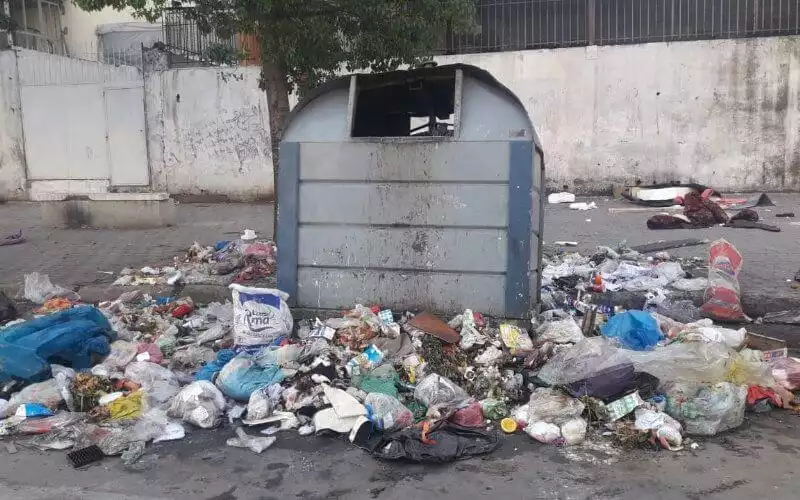
Solid waste is invading many neighborhoods of Tangier, proving the inability of the city council and the delegated companies in charge of sanitation to get rid of the garbage.

Solid waste is invading many neighborhoods of Tangier, proving the inability of the city council and the delegated companies in charge of sanitation to get rid of the garbage.
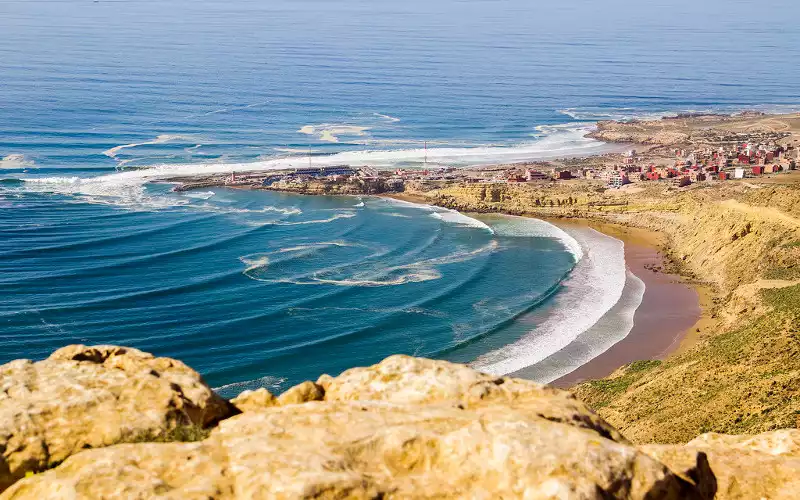
The Directorate General of Meteorology (DGM) has just provided explanations on the statements of the World Meteorological Organization (WMO) according to which the main Moroccan coastal cities, such as Casablanca, Tangier or Agadir, are threatened by the rise in sea levels, coastal erosion and land submersion, particularly during violent storms.
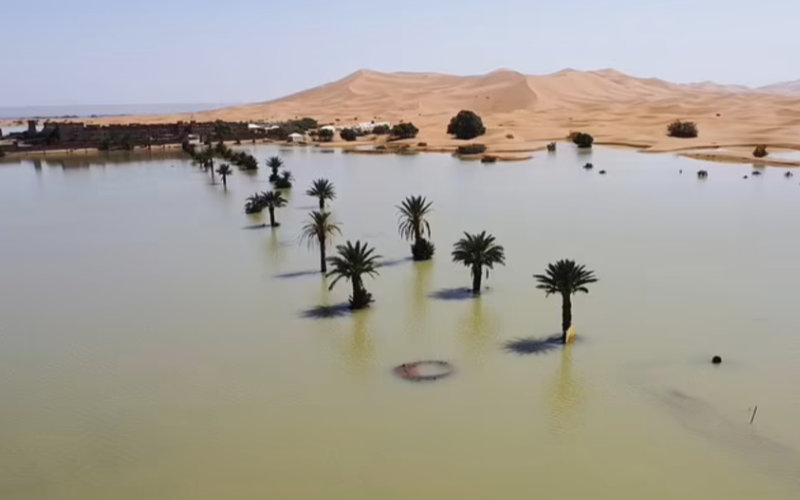
Heavy rains have created lakes between the sand dunes of the desert town of Merzouga, near Errachidia, in southeastern Morocco. A phenomenon that has not occurred for decades.

The Sahara Desert is experiencing heavy rainfall, the most recent of which is an extratropical cyclone. The latter crossed the northwestern Sahara on September 7 and 8 and flooded vast treeless areas in Morocco, Algeria, Tunisia and Libya, while these regions rarely receive rain.
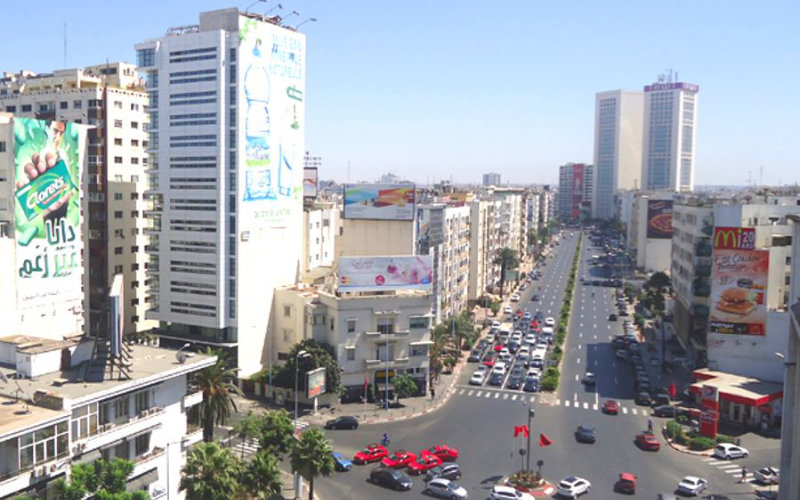
The city of Casablanca seems to be turning its back on palm trees. While many cities favor this tree, the economic capital seems to be turning its back on it as part of the complete rehabilitation of Zerktouni Street, one of the most famous thoroughfares in the city.
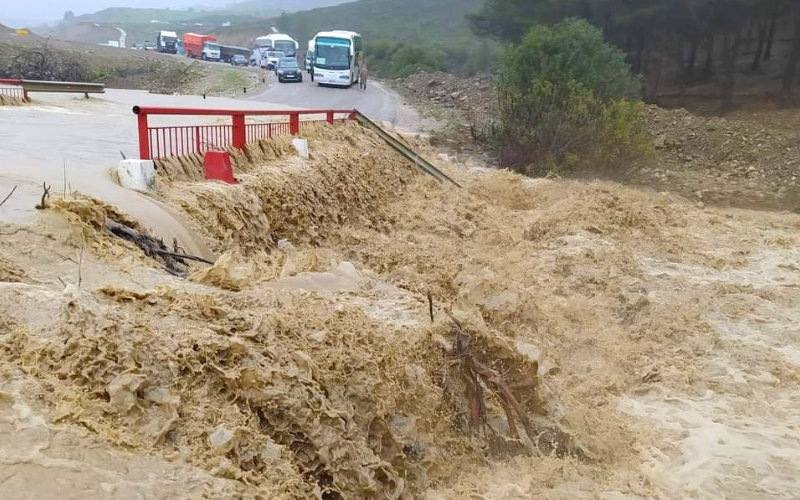
The General Directorate of Meteorology (DGM) explains a very rare natural phenomenon that is affecting the desert and Saharan regions of Morocco.

Several neighborhoods in the city of Fez offer a repulsive sight of garbage and household waste. Residents complain, but the municipal council has still not found a solution.
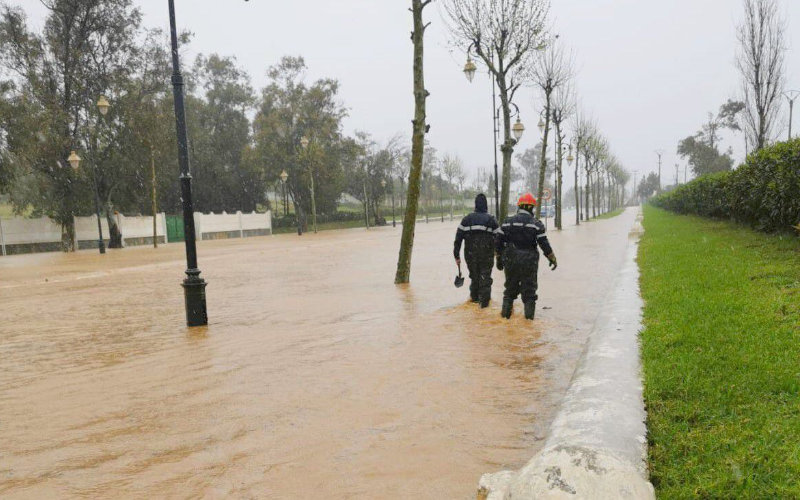
In Tetouan and M’diq, opposition elected officials are calling on the presidents of the municipalities to take proactive measures to protect neighborhoods threatened by floods.
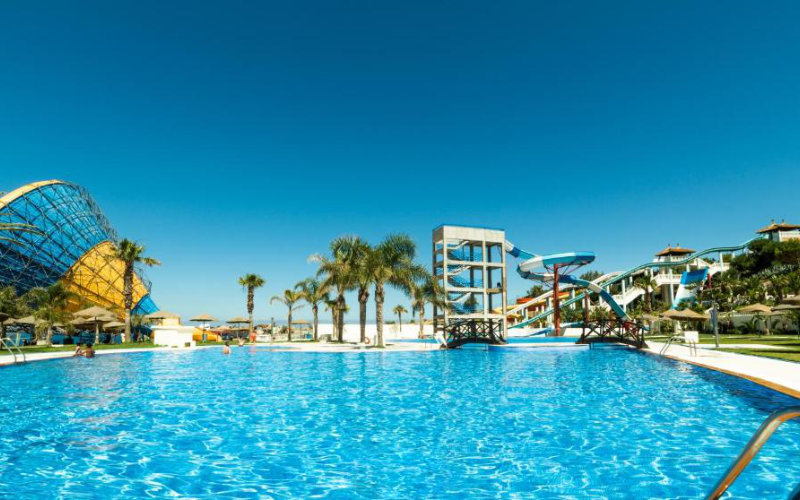
In Tangier, residents and vacationers will no longer be able to enjoy a recreational pool on the Ba Kacem beach. It has been closed by the city authorities.
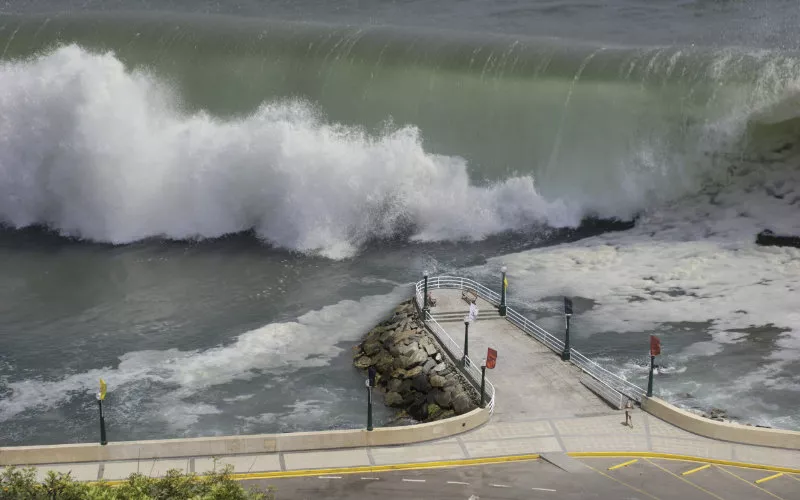
In Morocco, the drop in sea level on certain beaches, including the beach of Oualidia, is worrying citizens and vacationers, who fear a risk of tsunami. Are these concerns justified?
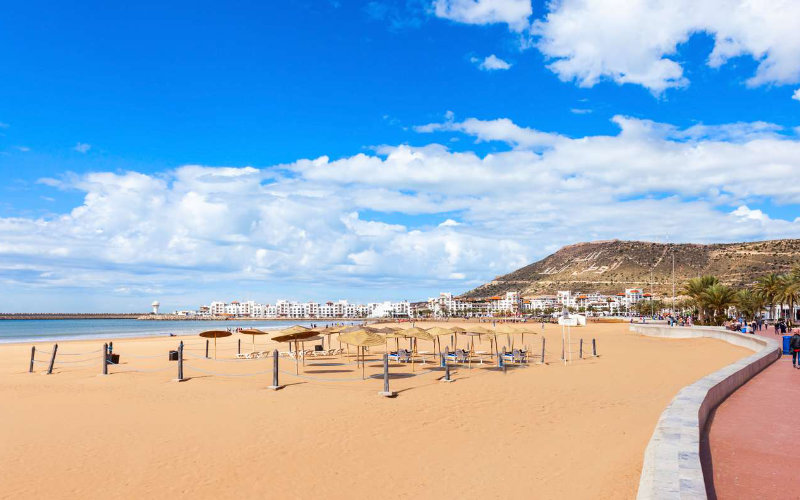
According to the ranking of a famous British daily, a Moroccan beach is among the 50 most beautiful beaches in the world.

Following the alleged installation of panels warning of tsunami-risk zones and streets in coastal cities, particularly on the beach of the Moroccan city of El Jadida, and the recent circulation of videos on social networks showing the retreat of the sea, many Moroccans fear the occurrence of a natural disaster. Can a tsunami really hit Morocco?