Nestlé Cerelac Scandal: Double Standards Europe Morocco Sugar
The National Federation of Consumer Associations demands the immediate withdrawal of Cerelac infant cereals. The issue: high sugar content in Morocco, while Nestlé sells the same product without added sweeteners in Europe.
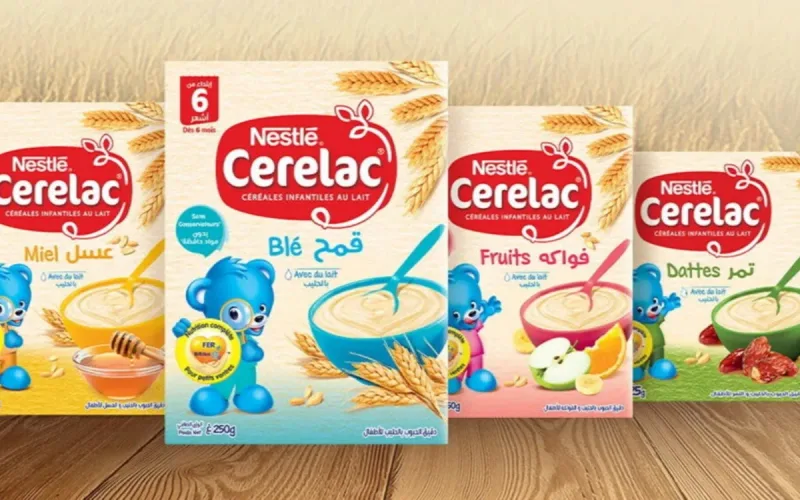
The scandal erupted following investigations by Swiss NGO Public Eye. After having around a hundred boxes sold in Africa analyzed by French laboratory Inovalys, the verdict is clear: 90% of them are sweetened. It is in this climate of distrust that the daily newspaper Assabah relays the action of the FNAC, which demanded specific tests on four Moroccan variants of the brand. The results are alarming: a standard serving contains 5.8 grams of added sugar, a volume that jumps to 7 grams for the fruit variant.
On Bladi.net : Pesticides Banned in Europe Sold to Morocco
This geographic favoritism deeply shocks local consumer advocates. Wadie Madih, president of the FNAC, protests against the company’s total lack of transparency. On national territory, the packages conceal the presence of these additives, unlike the transparency rules applied on the Old Continent. "Even more serious, Nestlé fails to disclose the exact amount of added sugar in the nutritional information provided to Moroccan consumers," the official protests. His formal notice sent to local management has gone unanswered.
On Bladi.net : Marrakech sex tourism scandal: minor raped by six foreigners
Meanwhile, the Swiss food giant maintains a well-rehearsed advertising discourse. The brand continues to tout the energy contribution of its cereals, banking on their richness in minerals, vitamins and proteins to support the growth of newborns. This seduction strategy greatly irritates the FNAC, which believes that such communication "tends to make families believe that these products are healthy" while deliberately concealing their actual composition.