Morocco
€91 in Morocco, up to €1,778 in France: the labor cost of a car
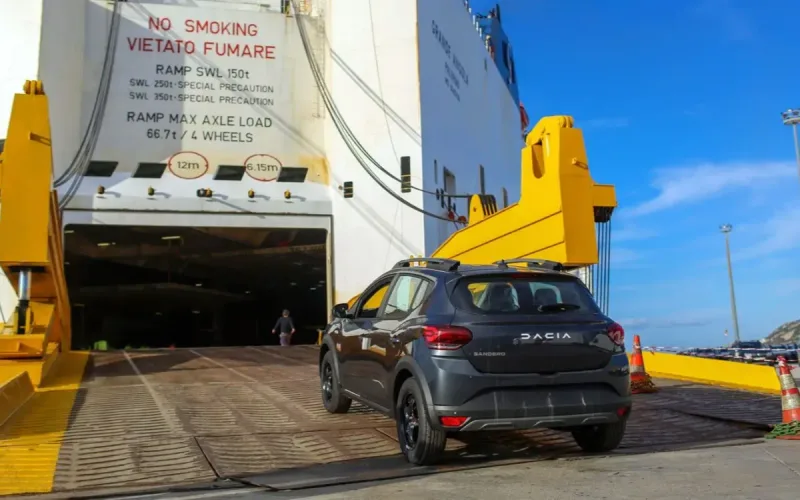
The labor cost required to manufacture a car is estimated at €91 in Morocco. In France, it reaches between €1,118 and €1,778 depending on the plant, or up to 19.5 times more.

The labor cost required to manufacture a car is estimated at €91 in Morocco. In France, it reaches between €1,118 and €1,778 depending on the plant, or up to 19.5 times more.
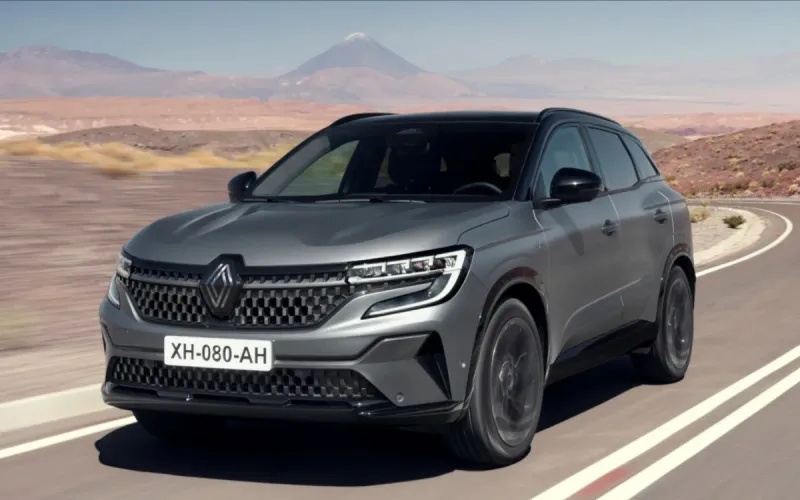
Renault Group sold 49,821 vehicles in Morocco in the first half of 2026, a 13.7% increase year-on-year. Despite this double-digit growth, its share of the Moroccan market declined by 1.3 percentage points.
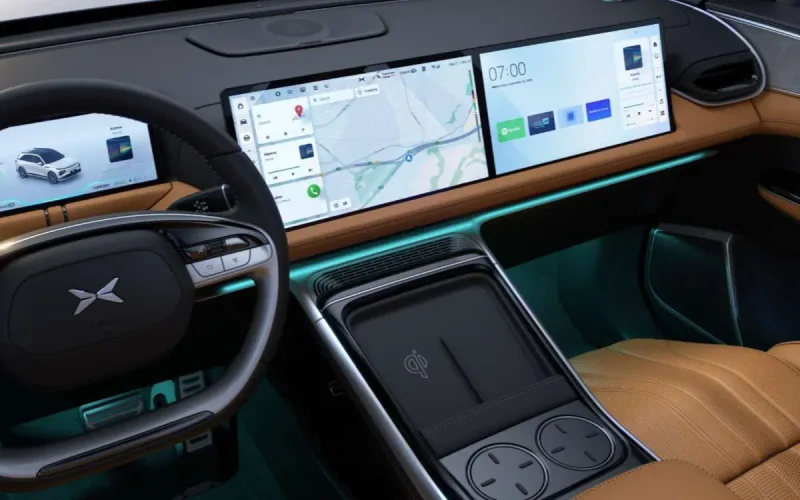
The Moroccan automotive market continues to grow strongly in 2026. New car sales increased again in June, while electrified vehicles and Chinese brands are gaining ground. But Dacia and Renault remain, for now, clearly in the lead.
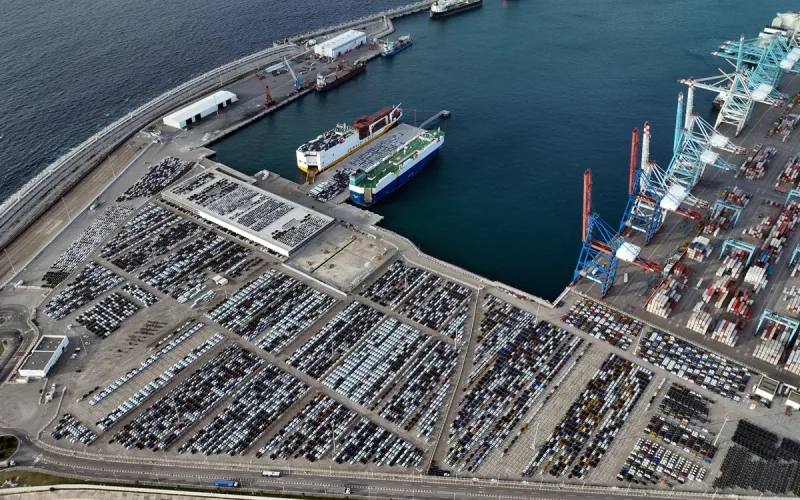
Morocco has become one of the most strategic links in Renault Group. In a publication dedicated to its Tangier plant, the automaker describes northern Morocco as one of the world’s most integrated automotive ecosystems , where production, suppliers, port and logistics operate within a radius of just a few kilometers.
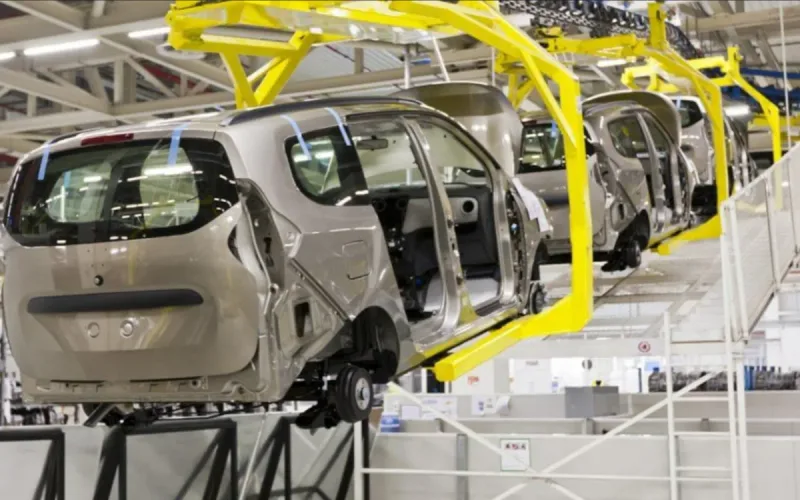
Renault benefits from major advantages to produce its vehicles in Tangier. In return, Moroccan authorities impose strict rules, particularly on local integration and the environment, to strengthen this national industry.
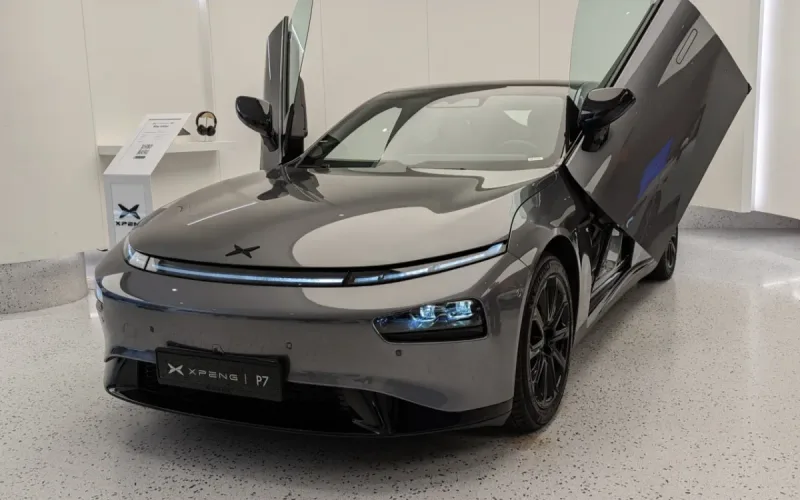
The massive capital injected by Asian industrialists into Moroccan automotive manufacturing is alarming Brussels. The European Union fears that the kingdom could serve as a gateway to flood its market with subsidized electric vehicles.
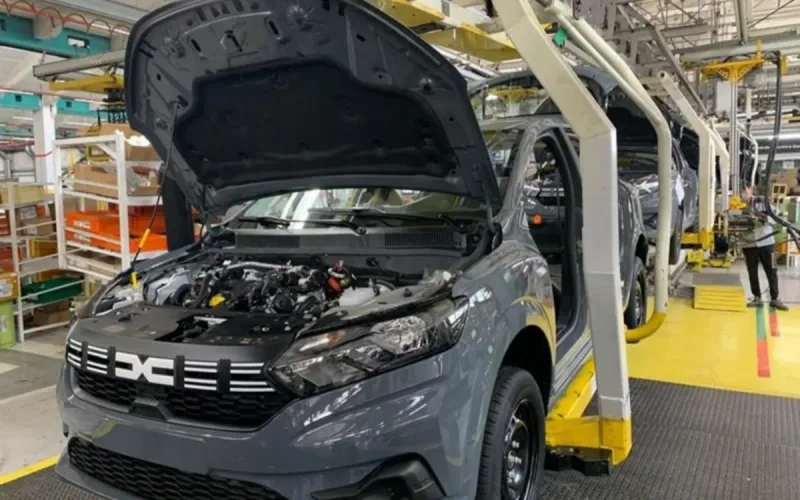
Hit by a historic strike in Spain, Renault threatens to cancel its development plan. Without union agreement, the automaker is seriously considering transferring the manufacturing of its future vehicles to its Moroccan plants.
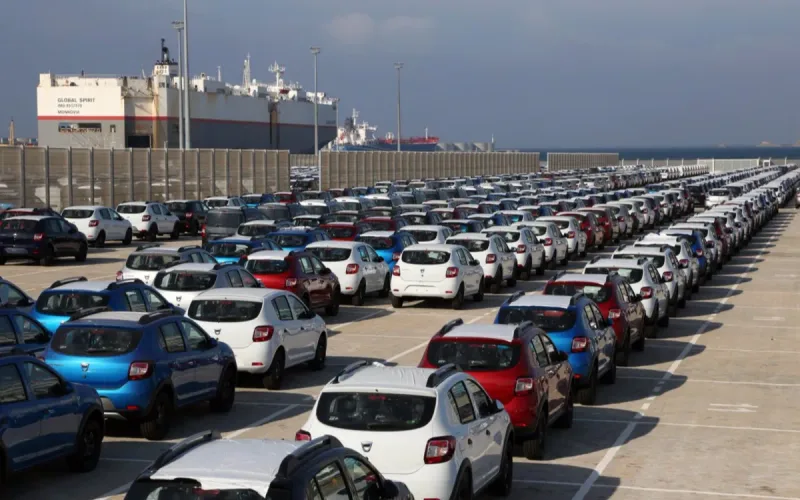
Morocco is establishing itself as the undisputed leader in passenger vehicles in Africa. With more than 493,000 cars produced in 2025, the Kingdom far outpaces its South African rival in this specific segment.
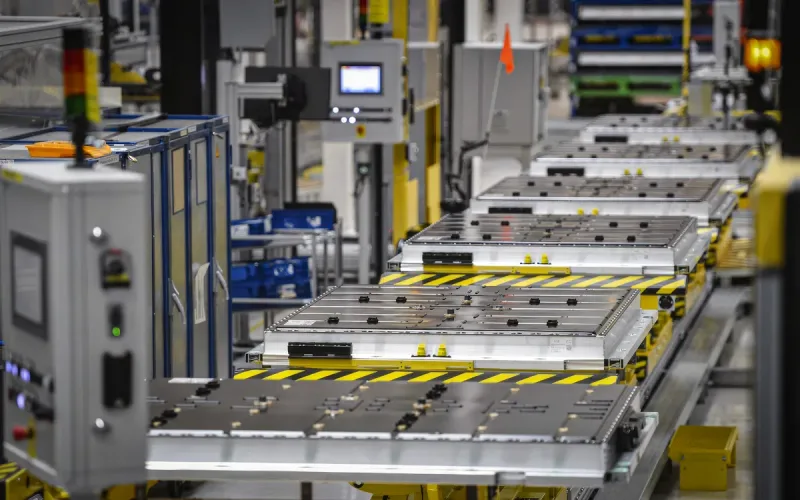
Revolution in the automotive industry. By launching its first electric battery production tests in Kénitra, Morocco has just outpaced Spain, which has not yet produced a single cell from its factories under construction.
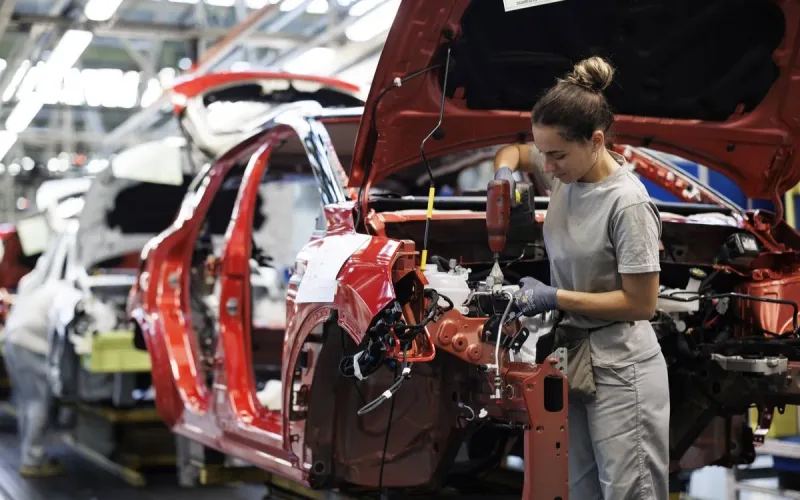
Union negotiations are stalling at Renault’s Spanish factories, threatening the allocation of several new vehicles. Facing this deadlock, the automaker is seriously considering relocating this major workload to Morocco.
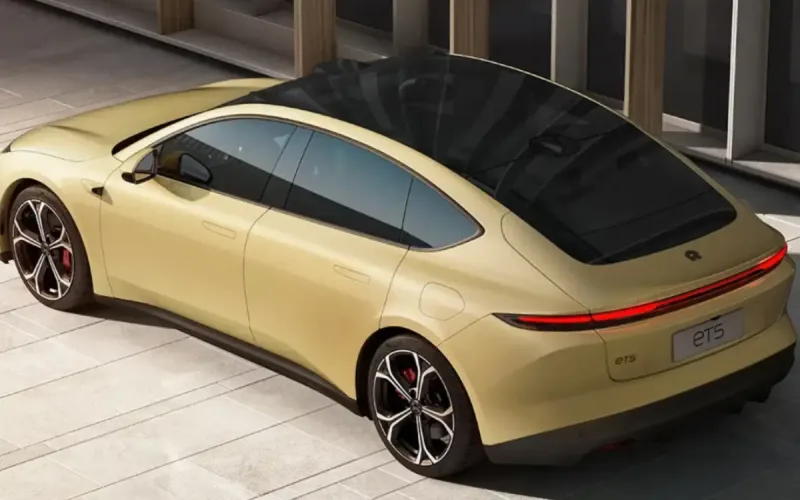
Morocco’s automotive market is booming at the start of 2026. While mainstream manufacturers continue to dominate sales, the rapid surge in hybrid and electric powertrains is gradually reshaping the market toward more sophisticated and technological vehicles.
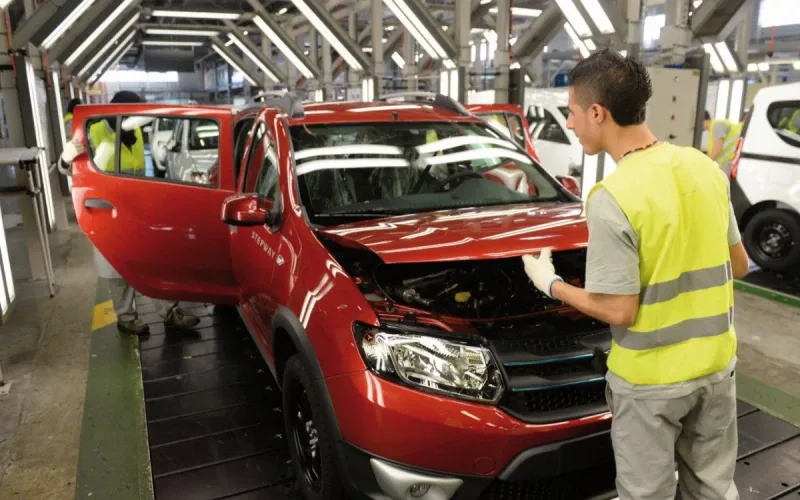
The breakdown of negotiations between Renault and unions in Spain threatens production of five new models. Facing the abandonment of this massive industrial plan, Morocco is positioning itself to recover these future assembly lines.