The "Right to Salt": This Moroccan Custom that Honors Women at the End of Ramadan
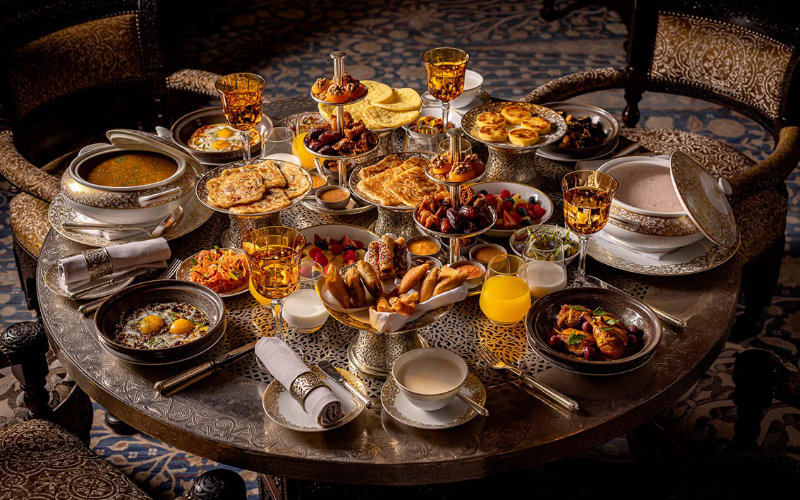
As Eid approaches, the Moroccan custom of the "right to salt" animates the markets. This ancestral tradition allows husbands to express their gratitude to their wives for the daily preparation of the breaking-the-fast meals.
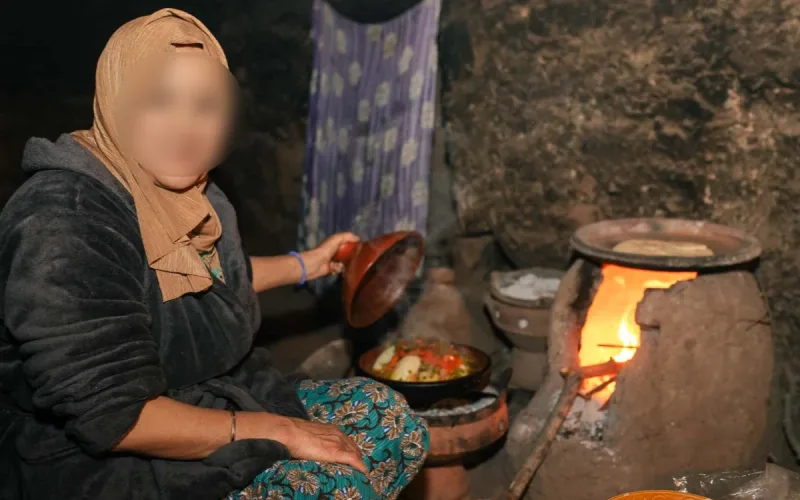
The singular name of this practice would refer to the meticulous attention paid by women to the seasoning of dishes, a complex task since they must balance the flavors without being able to taste them throughout the day.
In the alleys of the old city of Rabat, Hassan El Fezouati observes the showcases of gold jewelry. If this retiree had been in the habit of offering expensive jewelry, his financial situation has led him, as reported by AP, to choose a colorful caftan that his wife coveted.
The physical effort made daily in the kitchens fully justifies this recognition. Between the traditional harira and the countless dishes of the iftar, Batoul Ramzi confides that she spends her days at the stove: "The fatigue is felt, because the effort is much greater during Ramadan".
In receiving her traditional garment, the mother of the family affirms that the magnitude of the gift matters little. For her, this ritual represents above all "appreciation and joy", stating that a simple kind word can suffice and that "what matters most is the gesture".
Beyond the conjugal sphere, the perpetuation of this rite weaves a deep bond between generations. By striving to instill this value of gratitude in their children so that they will apply it in the future, the couple ensures the sustainability of a cultural anchor that will continue to shape Moroccan family relationships.