Spain Halal Tourism Strategy Competes with Turkey for Moroccan Travelers
Spain wants to better capture Moroccan tourists by developing a more visible halal offering. Restaurants, accommodation, activities: Madrid is seeking to adapt to a clientele that travels more, but remains attentive to cultural and religious criteria.
The Moroccan market is increasingly interesting Spain. According to the 2025 Turespaña report on Moroccan outbound tourism, Spanish halal offerings are progressing and becoming one of the arguments used to attract Moroccan travelers.
On Bladi.net : Moroccan tourists boost Andalusia tourism 42% growth Spain
This offering no longer concerns only restaurants. The report also mentions accommodation and activities compatible with the cultural and religious values of this clientele. The objective is clear: to make a stay in Spain simpler and more reassuring for Moroccan travelers seeking adapted services.
Interest already exists. According to analysis of content shared on social media and in the Moroccan press, halal tourism represents 6.9% of interests related to travel in Spain. This confirms the existence of specific demand, still minority, but considered promising.
Spain has several assets to seduce Moroccans. Geographic proximity reduces transport costs, the tourism offering is varied, air and maritime connections are strengthening, and the country benefits from a rather positive image in Morocco. The report also cites security, stability and ease of communication, particularly for Moroccans in the northern part of the country who speak Spanish.
The halal offering also gives Spain an advantage over several Western European countries, where such services often remain limited to major cities. For Moroccan tourists, being able to more easily find adapted restaurants or accommodation compatible with their expectations can weigh in the choice of destination.
But Spain faces strong competition. Turkey, Malaysia, Indonesia and Gulf countries have much more integrated halal offerings. In these destinations, halal tourism is already structured, visible and widely accepted by the international market.
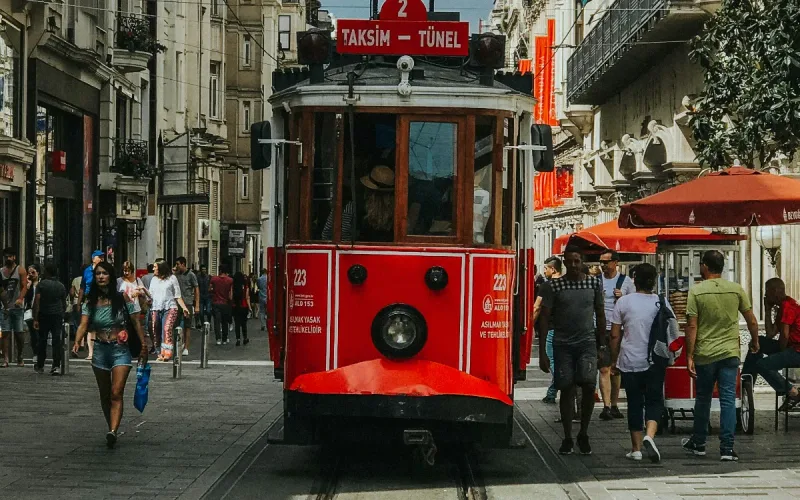
Turkey is notably a direct rival. It seduces Moroccans through Istanbul, shopping, cultural tourism, the beaches of Antalya or Bodrum, but also through visa-free entry. On this point, Spain starts with a significant handicap, since a Schengen visa remains mandatory for Moroccan tourists.
Gulf countries, Egypt, Jordan and Tunisia also benefit from stronger cultural affinity. Language, cuisine, traditions and Islamic history create a sense of familiarity that Spain cannot always offer, despite its historical ties with Morocco.
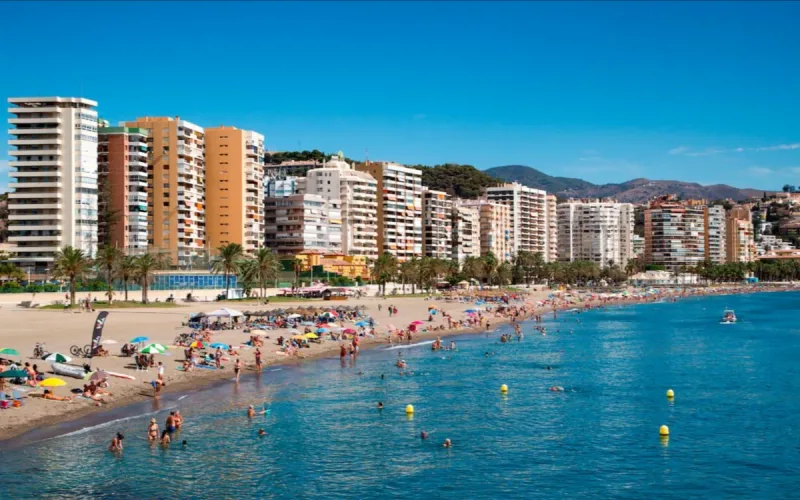
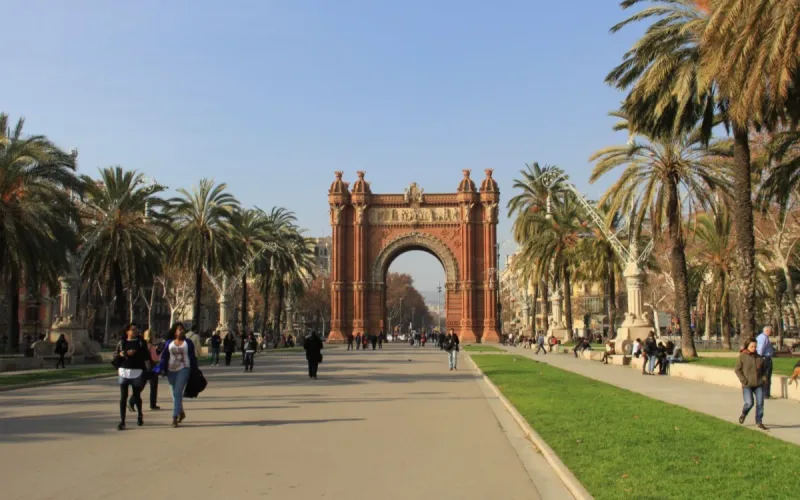
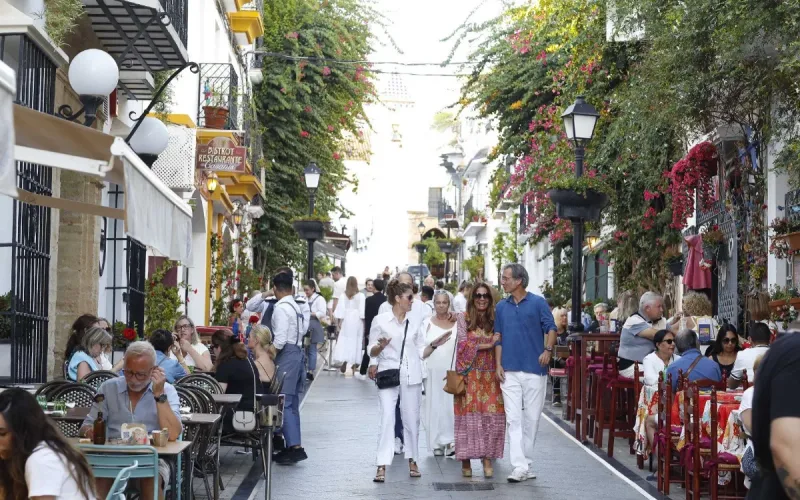
To compensate, Spain relies on its proximity, its prices considered competitive compared to other European countries, the quality of its hotels, its beaches, its cities and its activities. Andalusia, the Costa del Sol, Madrid, Catalonia and Spanish islands can thus be better positioned with Moroccan travelers.
The potential is real. Moroccan tourists are increasingly numerous in traveling to Spain, and their spending is growing strongly. For Spanish professionals, the challenge is therefore to transform this demand into more numerous stays, better targeted and more comfortable for a Moroccan clientele attentive to quality, price, security and adapted services.
On Bladi.net : Moroccan Tourists Avoid Catalonia Despite Spain Boom
Spain is therefore advancing on halal tourism, but the battle is far from won. Facing Turkey and Muslim destinations already well established in this market, it will need to make its offering more visible, more accessible and more coherent if it truly wants to establish itself with Moroccan travelers.