Spain is preparing an emergency law to return many more migrants to Morocco much faster
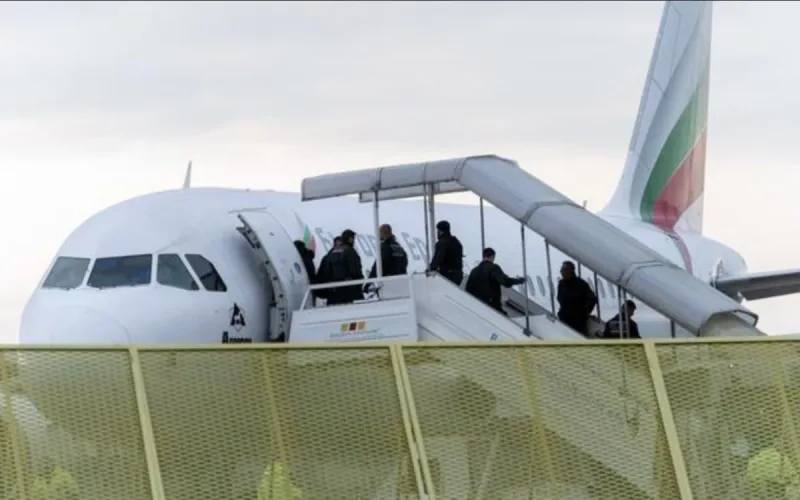
The Spanish government is preparing a decree-law that will make it possible to greatly speed up returns to Morocco. Some asylum seekers could be expelled before their procedure is complete, with their cases continuing to be examined after they leave Spain.
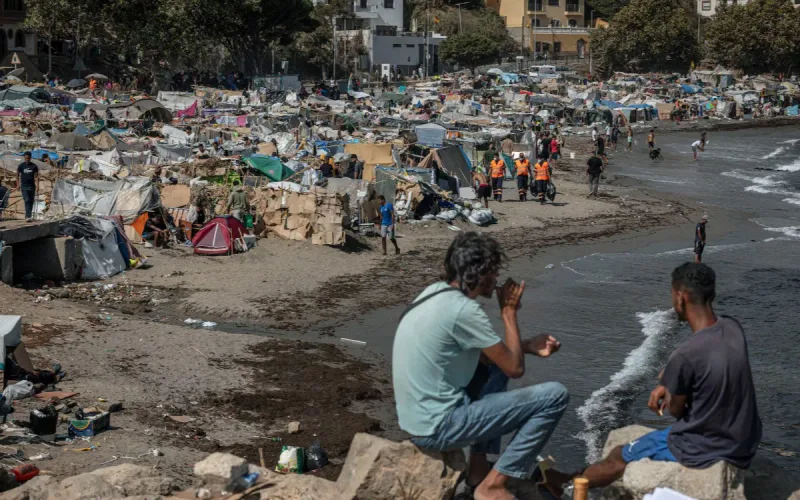
The Spanish Ministry of the Interior is working on an exceptional reform covering all asylum applications filed in Sebta since the mass crossings of July 30 and 31. The text could be presented to the Council of Ministers as soon as next Tuesday, reports El País.
On Bladi.net : Sánchez criticizes Moroccan controls, then unlocks 170 million to address shortcomings
Today, an application for international protection normally suspends a return until it has been examined. Appeals filed after a refusal can also delay expulsion. The forthcoming decree is intended to reduce these administrative and judicial delays so that decisions to return people to Morocco can be carried out much more quickly.
The most significant change would concern nationals of countries considered safe by the European Union, including Morocco. They could be returned without waiting for all their appeals to be completed. The measure would also apply to people who have filed several successive applications and those considered a threat to public order or national security.
In these situations, expulsion would not end the asylum application. The Spanish authorities would continue to examine it even though the applicant had already been returned to Morocco.
Just five days to file an appeal
The government also wants to do away with the preliminary review currently carried out by the Interministerial Commission on Asylum and Refuge. The Ministry of the Interior could then proceed directly to deciding cases without waiting for the commission’s opinion.
Judicial deadlines would also be shortened. Migrants would have only five calendar days to challenge certain refusal decisions. The courts would then have to give priority to these appeals.
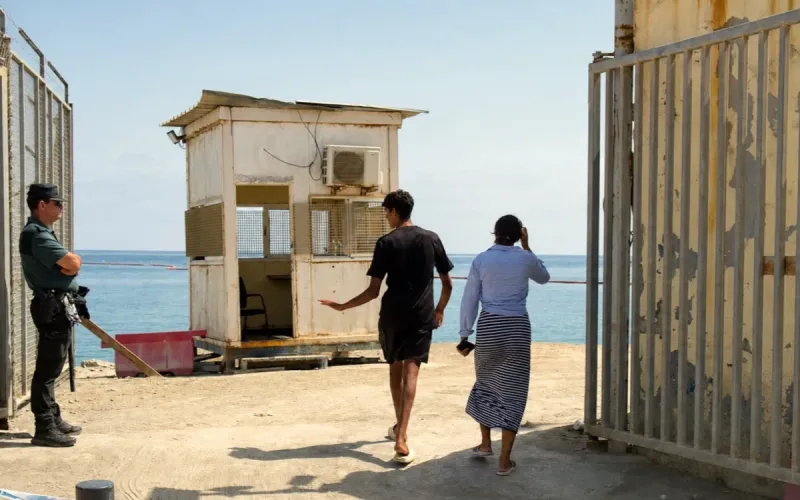
Another provision is still under discussion between Spanish ministries. It would allow the asylum application of a migrant who leaves their reception center in Sebta to be closed. The person could then be considered liable for expulsion, even if they had initiated an international protection procedure.
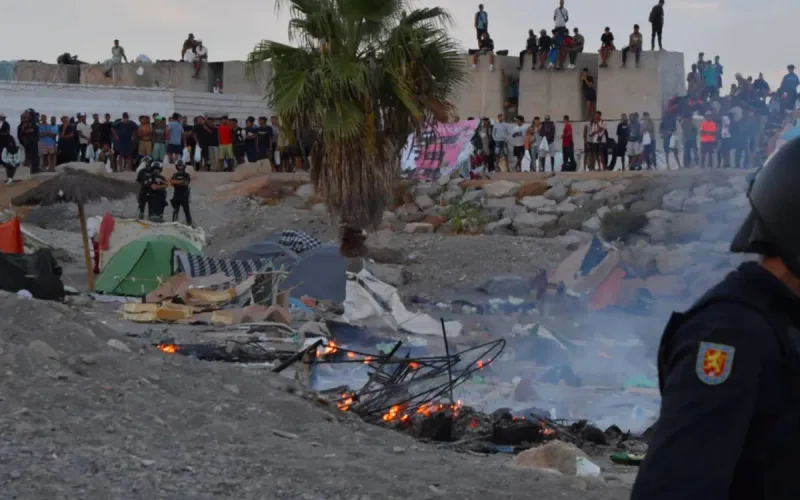
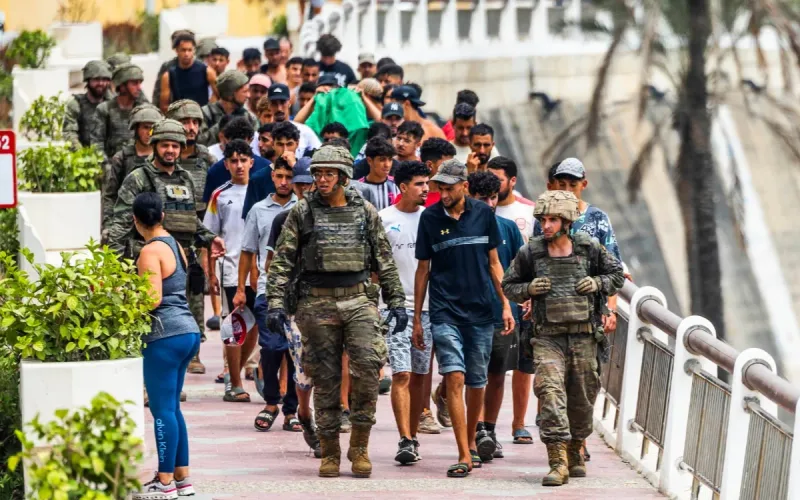
More than 10 000 migrants are still in the city, according to the minister tasked with coordinating the crisis, Ángel Víctor Torres. As of September 22, 2 546 adults had completed the preliminary police interview. A majority of them had applied for asylum, while the Ministry of the Interior estimates that only 1 % of applications submitted by Moroccan nationals are successful.
On Bladi.net : 48 days on the streets of Sebta: Saad ultimately chooses to return to Morocco
The decree will have to be drafted in a way that changes procedures without encroaching on provisions governed by an organic law. Madrid wants it to take effect for as long as Sebta remains under the exceptional regime of “situation of interest for national security,” declared on August 25 after the border crisis.