Two days before Sebta, Spain had already canceled its soldiers’ leave
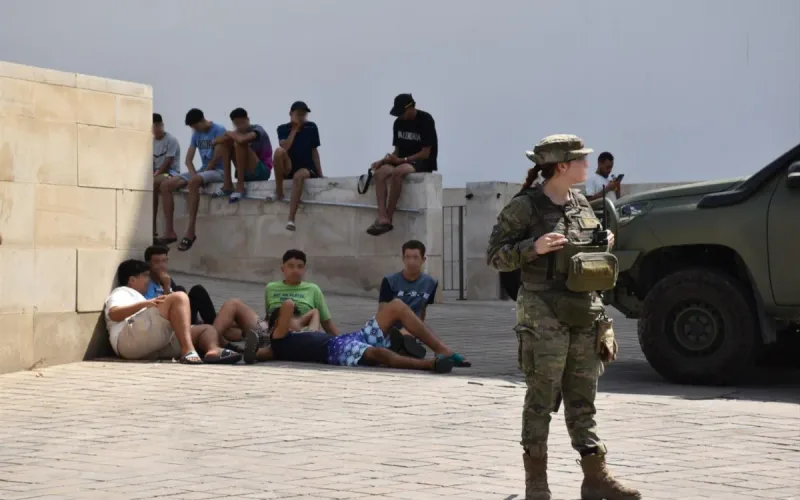
Spanish soldiers stationed in Sebta had been placed on exceptional alert nearly 48 hours before the mass crossings from Morocco. Some leave had been suspended, and soldiers present in their units had been kept there.
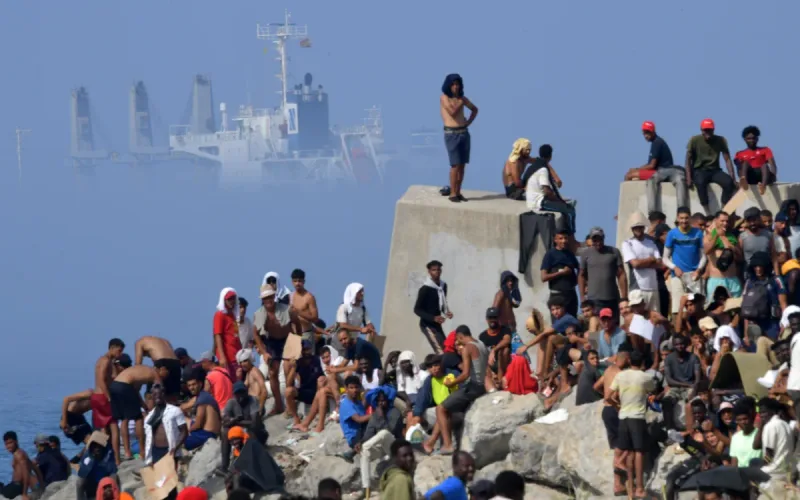
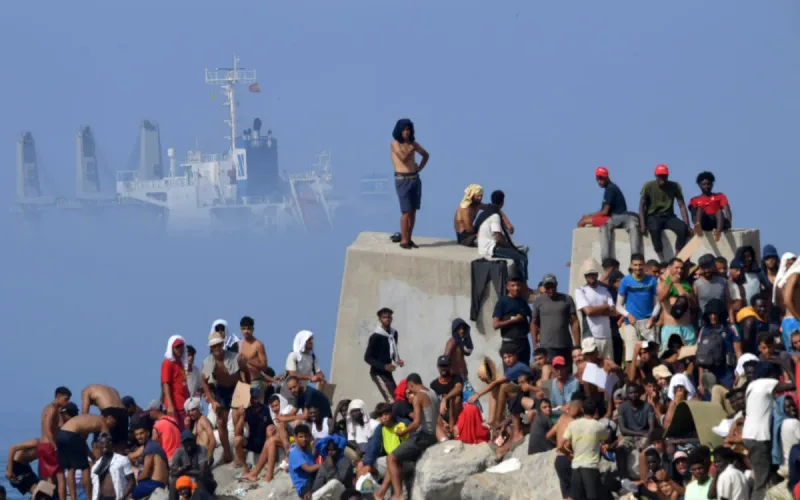
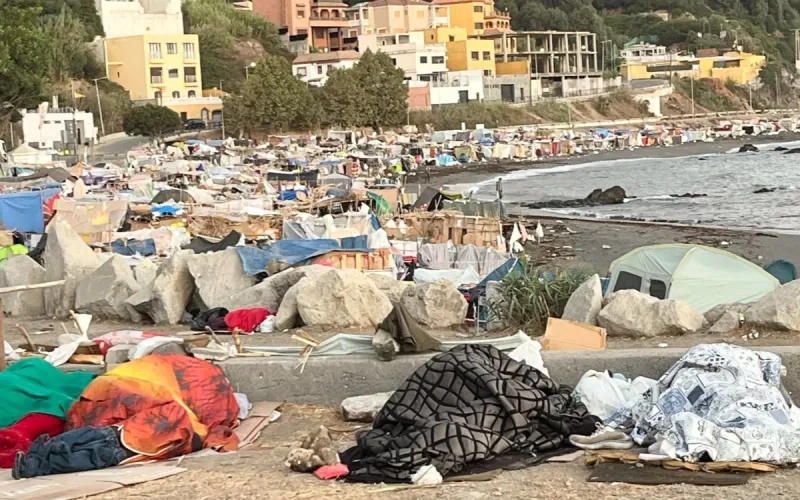
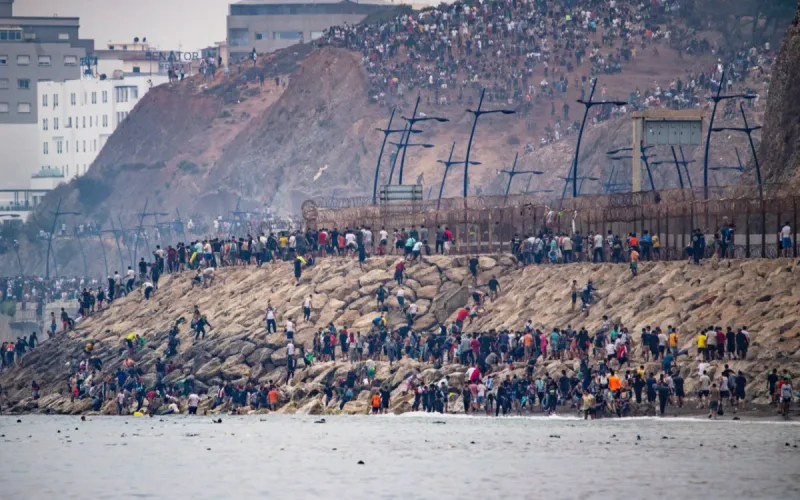
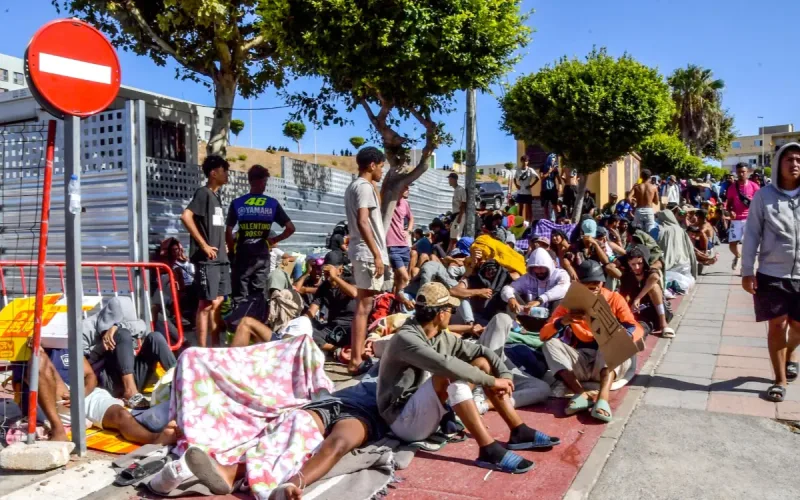
The decision was made about two days before July 30, when tens of thousands of people began gathering around Fnideq before crossing the border. Soldiers who were at home were ordered to give up their planned leave, while those already present in the barracks remained confined there, reports El Independiente.
On Bladi.net : The CNI had identified 2,000 people near Ceuta; 72,000 ultimately crossed the border
A government source explains that the aim was to keep the units available in response to the situation unfolding on the other side of the border. A former senior army official even says that the armed forces remained confined to their units for three days, with leave suspended.
This timeline sheds new light on the information available to the Spanish authorities before the crisis. On September 9, the government released a set of 40 reports, alerts and communications from the National Police, the Guardia Civil, the National Intelligence Centre and military intelligence.
On July 29, the file already contained an update from the National Immigration and Borders Centre, as well as a note from the CNI. Spanish services had also alerted their Moroccan counterparts to the risk of mass crossings.
The army was ready before its own written alert
At 12:06 p.m. on July 30, Electronic Warfare Regiment No. 32 sent a message to the Armed Forces Intelligence Centre describing a “mass” entry as “highly likely.” An hour later, military intelligence produced a new report, while security forces were already overwhelmed at the border.
Keeping soldiers in their units now raises questions about the missions they had been assigned. The army could not spontaneously replace the National Police or the Guardia Civil: its deployment in support of the security forces required precise instructions from the chain of command.
Judge María Tardón requested the alerts and analyses produced by the general staff and military intelligence. She is seeking to establish what information was circulating before July 30 and 31, who had received it and what decisions had been made.
The CENIF report added to the court file describes the crossings as a “planned” operation rather than a spontaneous one. It also mentions the presence of Moroccan agents, in uniform or plain clothes, guiding people toward the border. The investigation focuses in particular on the organization of the journeys, the role of social media and the networks that may have facilitated them.
On Bladi.net : 72,000 crossings from Morocco: Spain deploys the military option in Ceuta
On August 10, in response to the risk of another mass crossing, Madrid officially canceled the leave, licenses and vacations of all military personnel and civil guards assigned to Sebta. Yet the first measure of this kind had been taken even before the arrivals of July 30 and 31.