
United States: The Hammer Blow Threatening Moroccan Products
The United States is considering imposing a 12.5 % surcharge on a large share of products imported from Morocco. The measure has not yet been adopted, but it could significantly reduce the advantage offered to Moroccan companies by the free-trade agreement between the two countries.
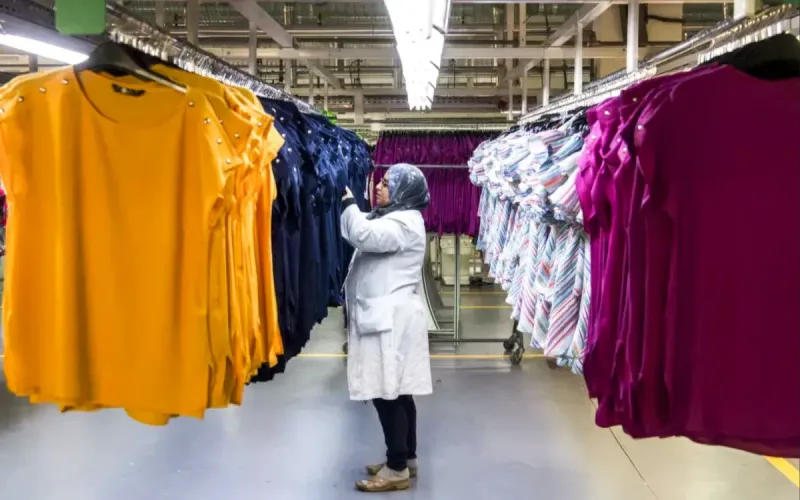
Moroccan exports could soon become more expensive on the US market. The United States Trade Representative, the USTR, is proposing to impose additional customs duties of 12.5 % on products originating from Morocco, as part of an investigation focused on combating forced labor.
On Bladi.net : article 121759
In its official report, Washington does not directly accuse Moroccan companies of manufacturing their products with forced labor. Rather, the US administration believes that Morocco does not have a sufficiently effective mechanism to prevent goods manufactured in this way in other countries from entering its territory.
This distinction is important. The dispute concerns controls on Moroccan imports, but the proposed sanction would affect the products that the Kingdom then sells to the United States.
A Tax That Would Affect Almost Everything
According to the measure proposed by the USTR, the surcharge would apply to the majority of Moroccan goods, with the exception of a list of products eligible for exemptions.
Morocco finds itself in the group subject to the highest proposed rate, namely 12.5 %. Other economies that have already introduced a partial ban on products resulting from forced labor or made specific commitments would be taxed at 10 %.
Such a decision would directly weaken the Morocco–United States free-trade agreement, which entered into force in 2006. That agreement had made it possible to gradually eliminate numerous customs duties. The new surcharge could therefore erase part of this advantage and make certain Moroccan products less competitive compared with those originating in other countries.
Export sectors would be particularly exposed, notably textiles, agri-food, industrial components and certain chemical products. However, the text provides for specific rules for textiles, with the possibility of benefiting from a reduced rate depending on the quantity of US raw materials used in manufacturing.
On Bladi.net : article 120027
The measure remains, at this stage, a proposal. Consultations have been opened and hearings organized before any final decision. No effective date has yet been announced.