Morocco
Netflix: bad news for Moroccans
Netflix will raise its prices in Morocco starting September 2. Customers on the Standard plan will pay 80 dirhams per month instead of 65, an annual increase of 180 dirhams.

Netflix will raise its prices in Morocco starting September 2. Customers on the Standard plan will pay 80 dirhams per month instead of 65, an annual increase of 180 dirhams.
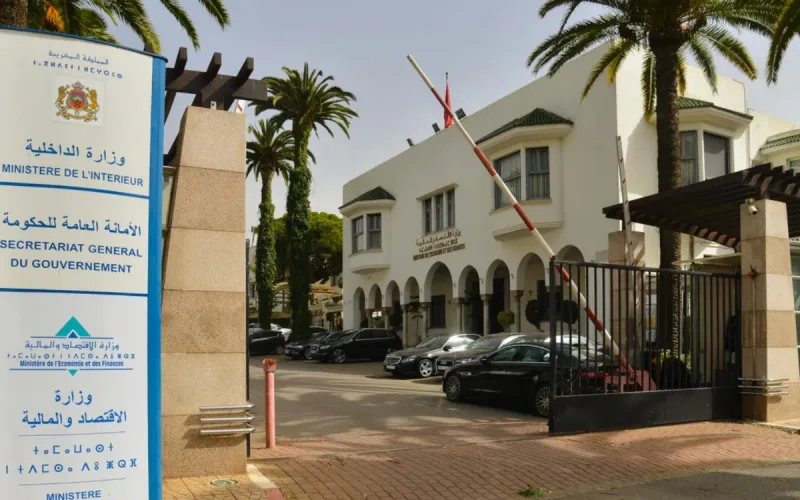
Morocco obtained revenues equivalent to 2% of GDP in 2025 through sale-leaseback operations on state-owned real estate. A solution that brings immediate money to the budget, but then requires the administration to rent the buildings it sold.

The Moroccan government is further opening the national market to livestock and red meat imports. Customs duties will be suspended on live sheep and several categories of meat, as previous measures failed to bring prices down to expected levels.

Two new tax rules have been applied in Morocco since July 1st. Real estate purchases exceeding 300,000 dirhams paid without traceable means are subject to an additional 2% fee, while a 5% withholding targets certain professional rents.

The Moroccan tax authority is tightening its grip on cash payments. Companies have seen their accounting statements challenged after cash settlements exceeding authorized thresholds. A practice long considered routine, but which is now becoming a genuine fiscal risk.

Morocco’s fiscal overhaul is delivering spectacular results in 2026. By imposing the financial sector at 40%, the Treasury is collecting record revenues, propelling corporate income tax to the top of state revenues.

Operation Marhaba 2026 comes with new facilitation measures for Moroccans living abroad. The Customs and Indirect Taxes Administration has announced a specific system designed to improve the reception of MREs, with organizational, procedural, logistical and communication measures.

Moroccans residing abroad can benefit from VAT refunds on certain purchases made in Morocco. However, not all products are eligible. The Moroccan customs guide lists several exclusions to know before requesting tax refunds at the borders.

From June 11, 2026, web giants like Netflix, Google and Airbnb will have to pay VAT on their Moroccan activities. The administration is launching a dedicated platform to oversee these new tax obligations.
The Moroccan government is tightening its grip on web professionals. Content creators and other influencers are now fully subject to standard tax rules, with strict monitoring of their lifestyle.

The era of legal ambiguity is ending for Morocco’s web celebrities. Economy Minister Nadia Fettah detailed to Parliament the new government plan to subject influencers’ income to standard income tax .

Facing controversy over fuel prices , Fouzi Lekjaa firmly denied any State enrichment. Before the advisors, the minister unveiled precise figures to prove that the crisis costs more than it brings in.