Vietnam’s 135 000-Seat Stadium Could Become the World’s Biggest
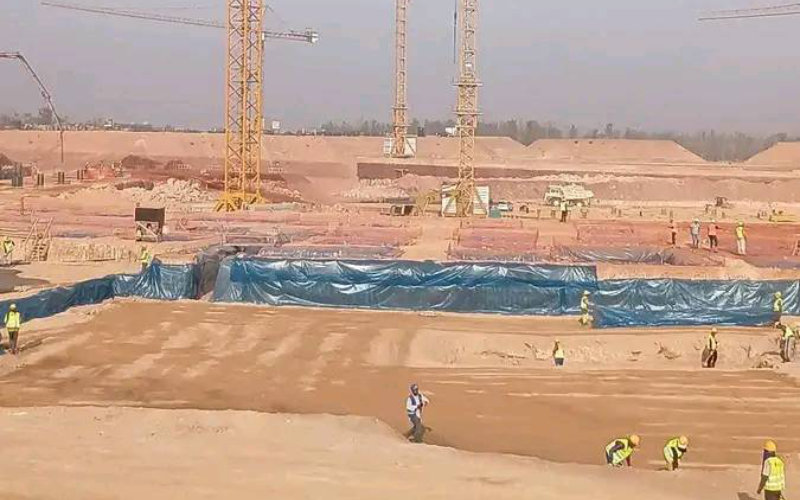
Hanoi has begun construction of the Trong Dong Stadium, a 135 000-seat venue within an Olympic City. This monumental project aims to surpass the world’s largest arenas, taking the title of biggest stadium from Morocco’s future Hassan II complex.
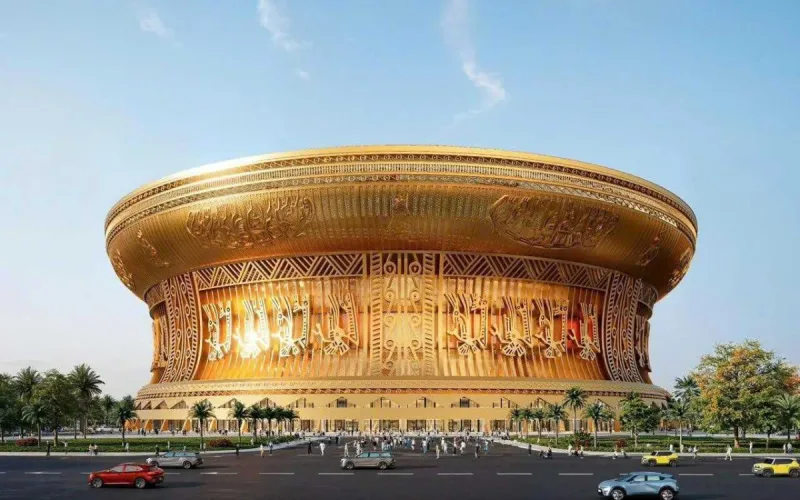
Vietnam has officially launched construction of an unprecedented sports infrastructure project, the centerpiece of an Olympic City of Sports. With an announced capacity of 135 000 seats, Trong Dong Stadium aims to become the largest football venue on the planet, surpassing the current record holder, the May Day Stadium in North Korea. Completion of the structure is scheduled for August 2028.
Read also: Morocco: the future largest stadium in the world moves forward
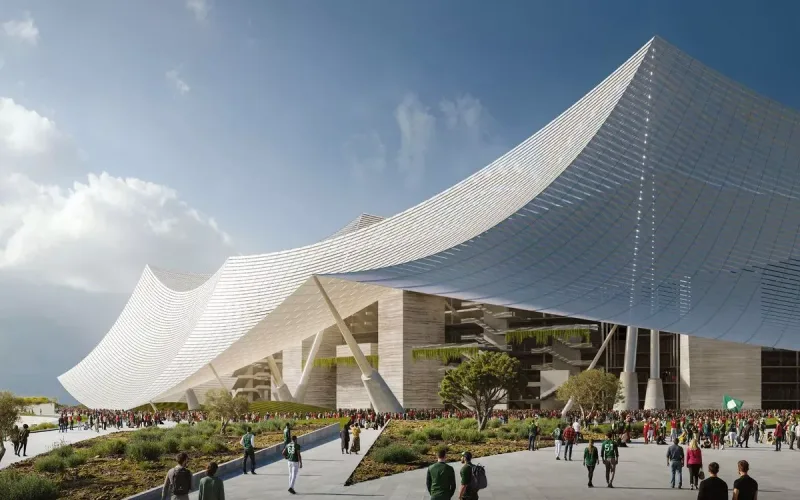
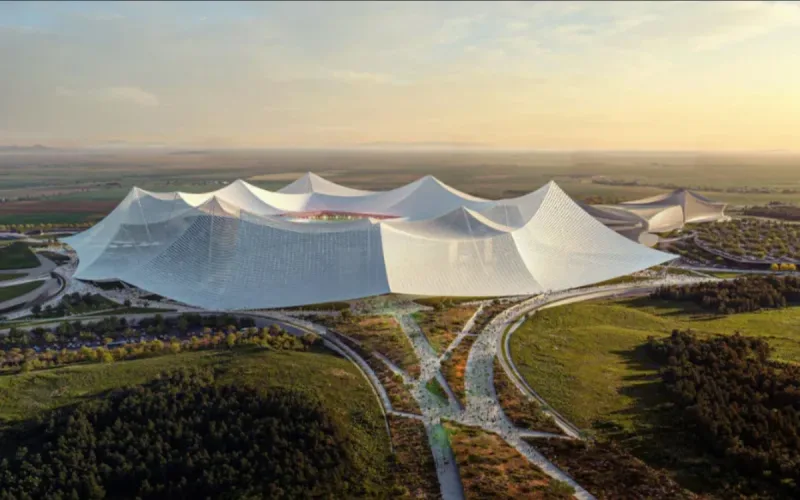
This race for gigantism directly challenges the supremacy of projects underway for the 2030 World Cup. The new Vietnamese arena is designed to surpass the Grand Stade Hassan II, currently under construction near Casablanca. With 115 000 seats planned, the Moroccan jewel, until now expected to become the future global leader, would consequently be relegated to second place in terms of capacity by this new Asian rival.
Read also: How the Grand Stade Hassan II plans to knock out the Santiago Bernabéu
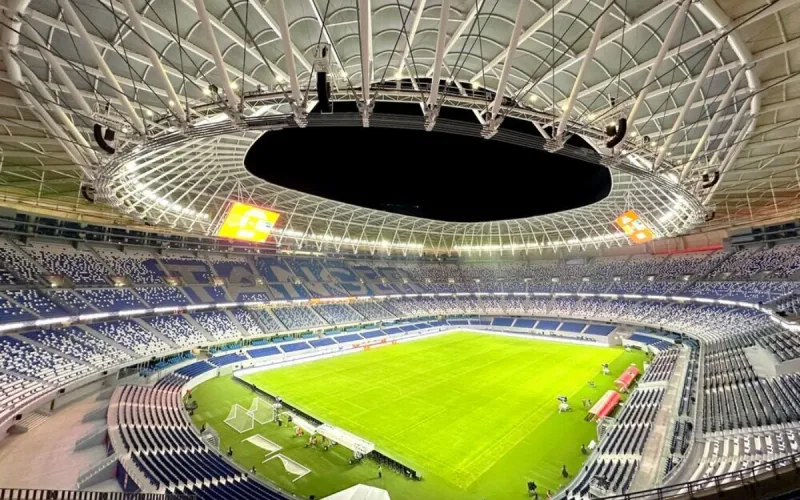
The site’s architecture draws inspiration from the bronze drums of Dong Son, remnants of the ancient Vietnamese civilization that symbolize strength and community spirit. The designers intend to merge this cultural heritage with futuristic facilities, including a retractable roof presented as the largest in the world. This design aims to create an “architectural icon” capable of rivaling the prestige of Wembley or Lusail Stadium in Qatar.
Beyond the technical feat, this development is part of an influence strategy aimed at positioning Hanoi as an essential hub for major international events. Authorities hope that this complex, dedicated exclusively to football and integrated into a modern transport network, will serve as a springboard for hosting future editions of the Olympic Games or the World Cup. The Olympic City as a whole is expected to be fully operational by 2035.