Morocco
Morocco: End of 7 Years of Drought
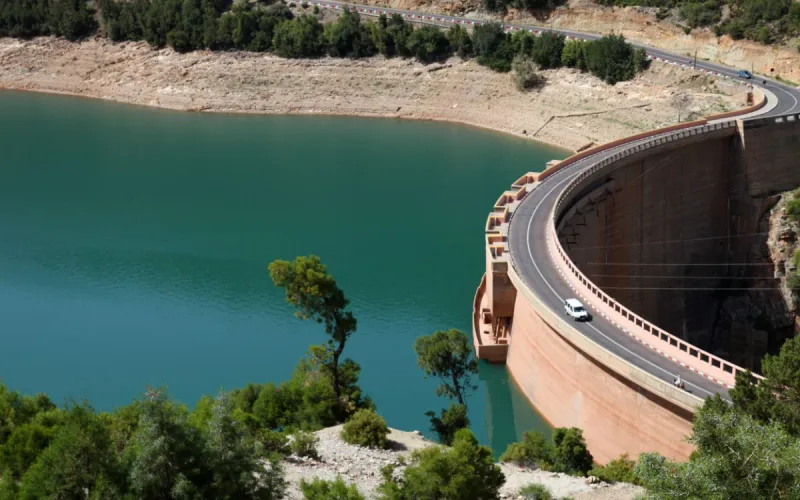
The Minister of Equipment and Water, Nizar Baraka, announced this Monday before the House of Representatives that Morocco has officially emerged from a cycle of seven years of drought .

The Minister of Equipment and Water, Nizar Baraka, announced this Monday before the House of Representatives that Morocco has officially emerged from a cycle of seven years of drought .
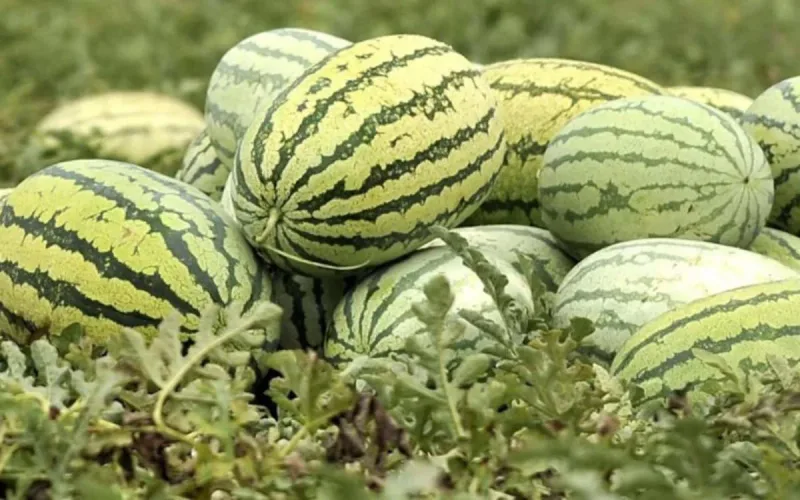
This is a power struggle that is playing out against a backdrop of critical water stress. In the province of Tata, the ban on growing watermelons is deeply divisive. On one side, farmers who cry out against economic persecution; on the other, civil society applauding a survival measure to save the groundwater.
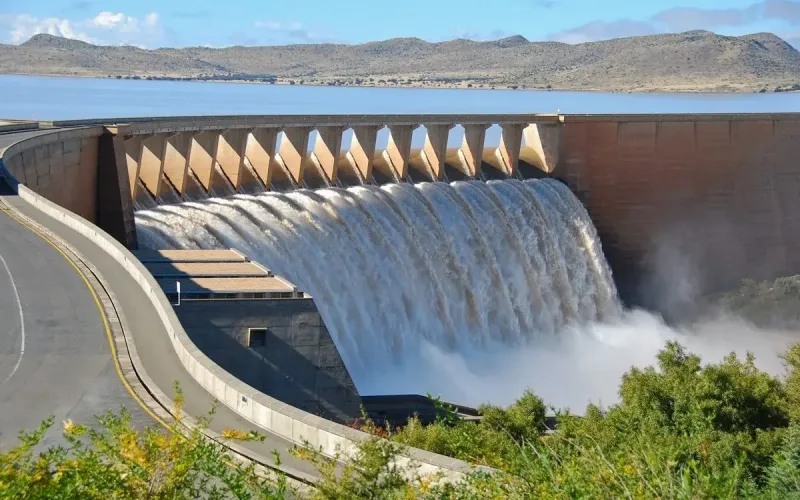
The latest rains have been a lifesaver. As of January 7, 2026, the Kingdom’s water reserves show an overall filling rate of 44.8%. A figure that had not been reached for five years and which marks a clear break with the drought years.
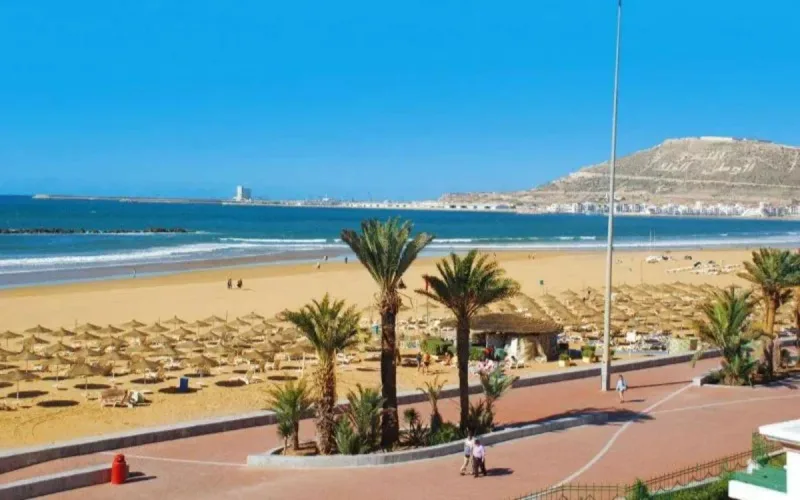
The alert is serious for the capital of Souss-Massa. While Morocco is facing a structural water stress , a study conducted by three Moroccan researchers points to the management of water in Agadir’s hotel establishments. Between waste in the bathrooms, undeclared use of wells, and lack of economical devices, the tourism sector is called upon to urgently review its practices.
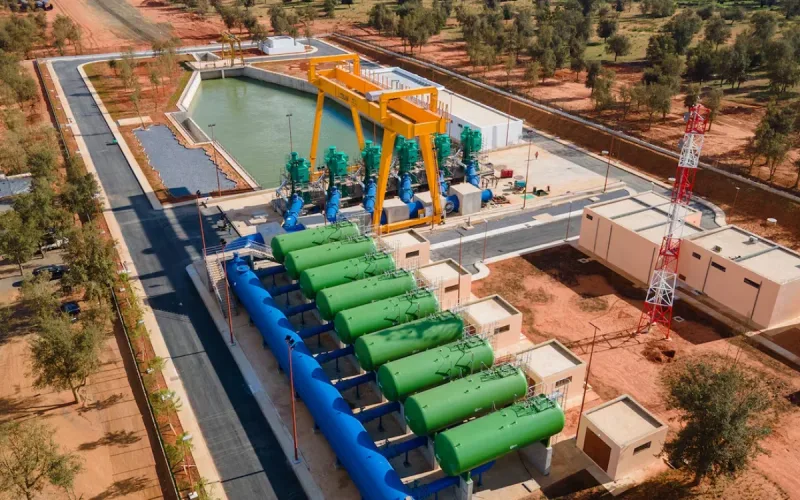
Morocco refuses to give in to the worst drought in its history. To counter a water deficit that threatens to worsen, the Kingdom is releasing a record envelope of 5.5 billion euros as early as next year, betting on a survival strategy where seawater desalination will become the new norm.
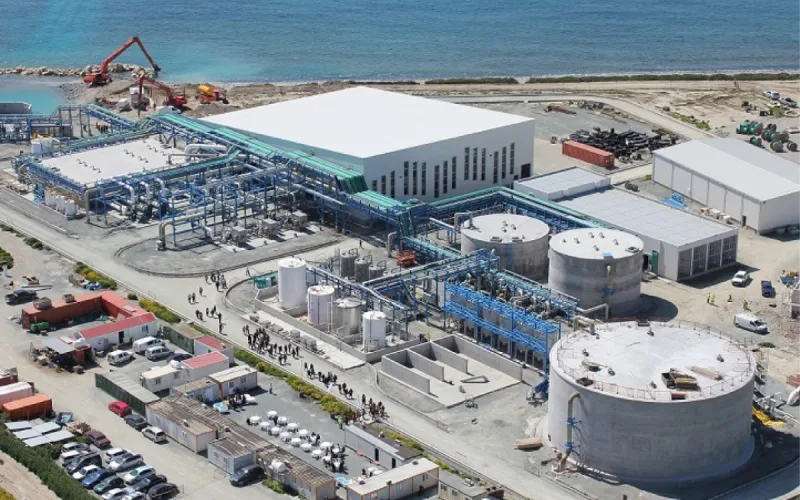
Morocco is accelerating its water transition in the face of endemic drought . The Minister of Water, Nizar Baraka, has announced an ambitious goal: to provide 60% of the country’s drinking water from desalination by 2030, compared to 25% currently, relying exclusively on green energy.
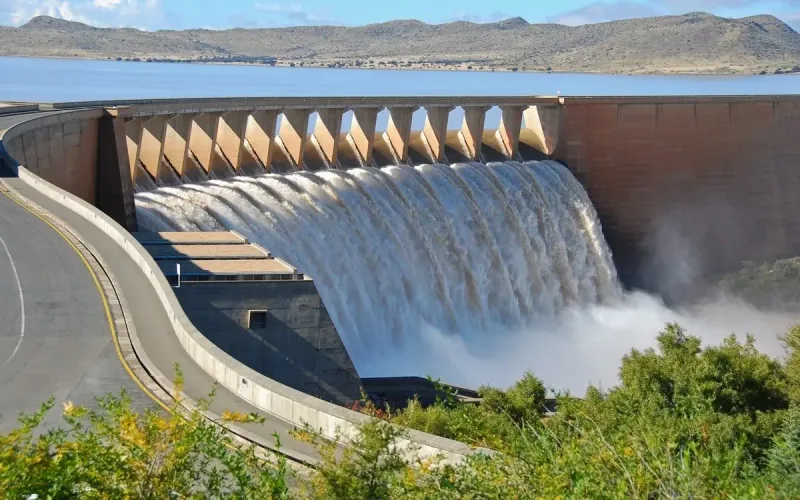
To combat water scarcity, Morocco has implemented the National Water Plan 2020-2025, which provides for massive investments of around 383 billion dirhams (approximately 36 billion euros) dedicated to the construction of dams and desalination plants. Meanwhile, Spain stands out for its inaction.
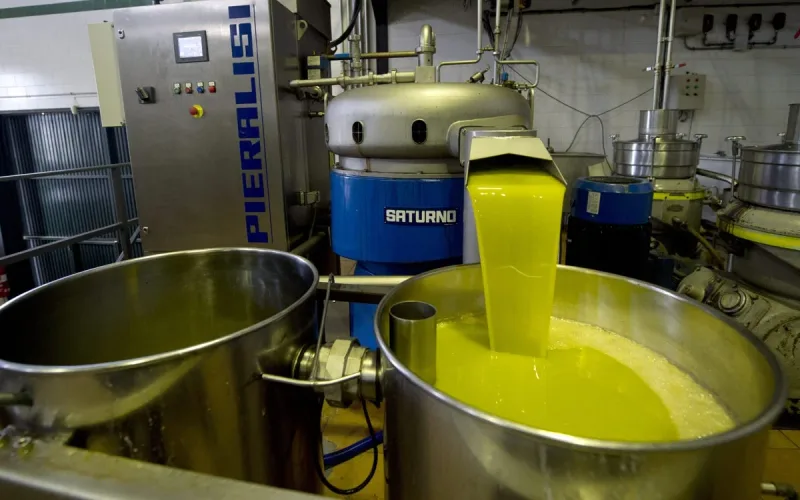
The world’s largest producer of olive oil , Dcoop, has issued a stern warning to the Spanish authorities. The group’s president, Antonio Luque, has warned that if the water crisis persists in Spain due to "poor management", production will eventually be relocated across the strait, to Morocco.
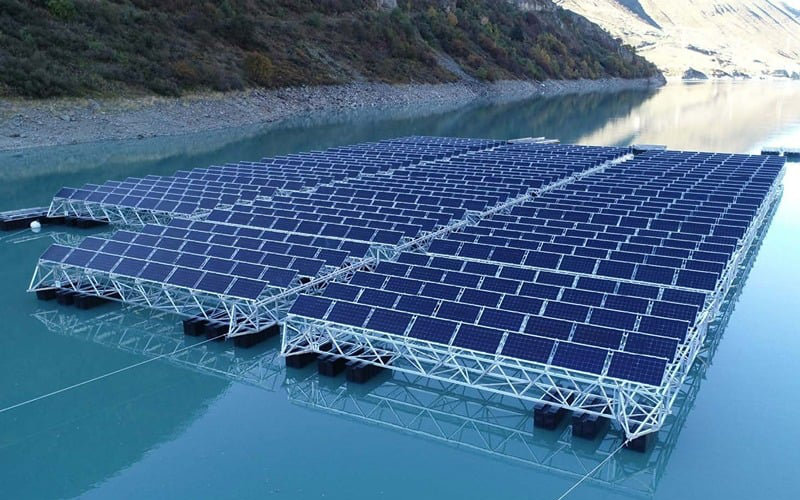
Faced with the severe drought that has affected several regions over the past seven years, Morocco is launching a large-scale project. This involves the installation of floating solar panels on a reservoir dam in the north of the kingdom.
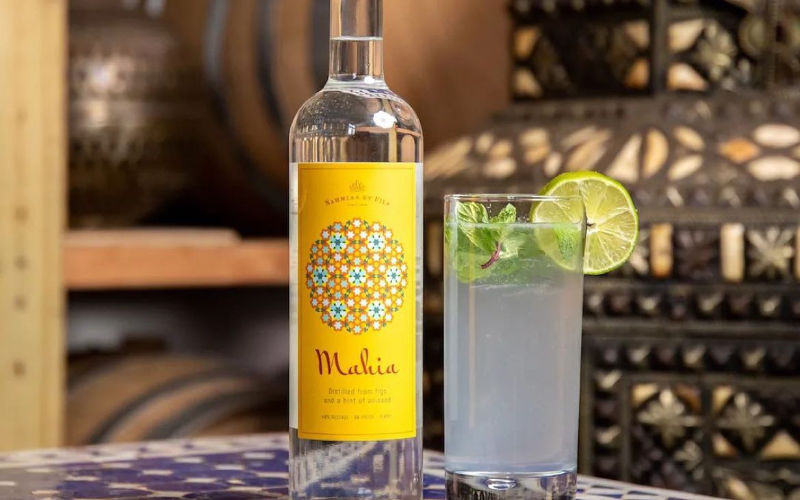
Actors from Moroccan civil society are advocating for the protection, promotion and enhancement of "mahia", the Moroccan fig brandy. This will help prevent cultural appropriation.
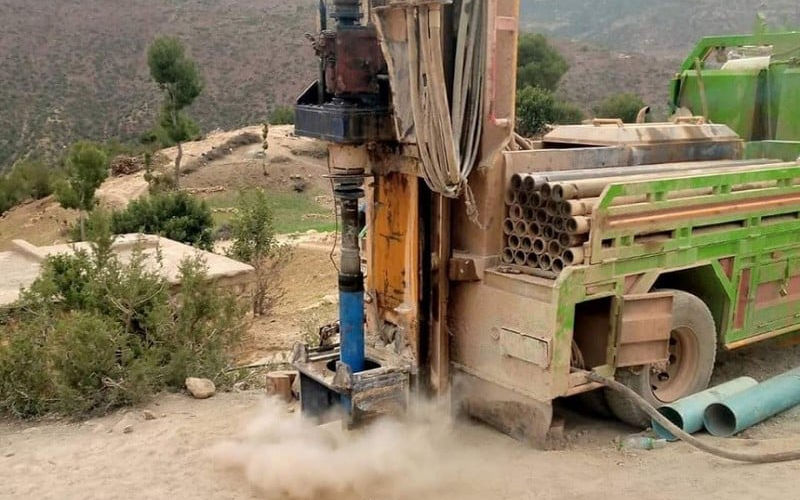
Elected officials and government agents in the Casablanca-Settat region are allegedly involved in a network of illegal well drilling.
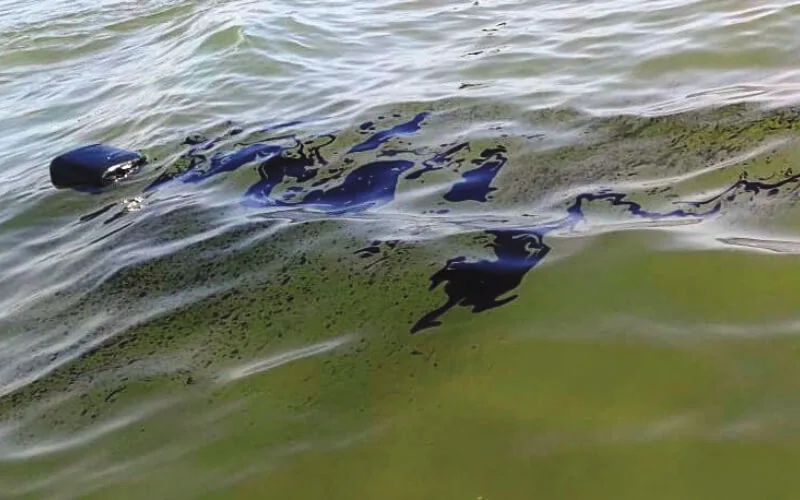
While the scandal related to the sewage leak at Marina Bay Tanger is not yet a thing of the past, an enormous sewage stream appears and flows directly into the beaches of "Metragaz" and "Sidi Kacem", on the territory of the municipality of Gzenaya. Enough to ruin the holidays of summer visitors and the population.