2030 World Cup: German report accuses Morocco of prioritizing image over social emergencies
Morocco is turning the 2030 World Cup into a powerful tool for development and international influence. But a German report takes a much more critical view of this strategy, arguing that major projects and sports infrastructure sometimes compete with more urgent social needs.
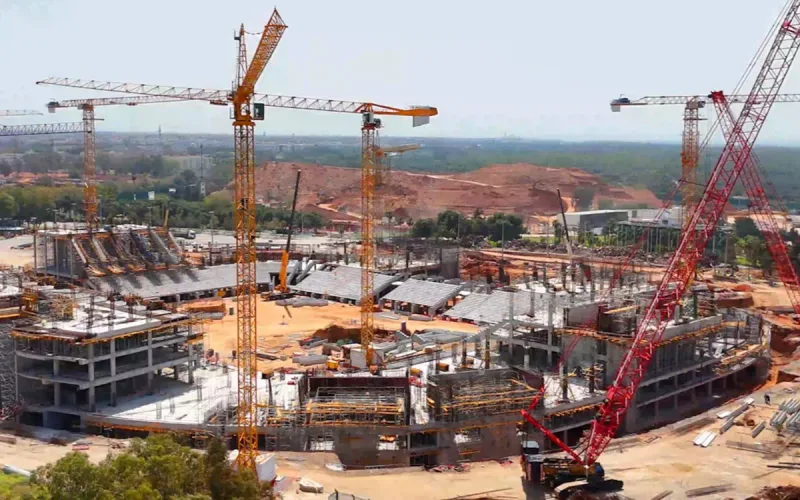
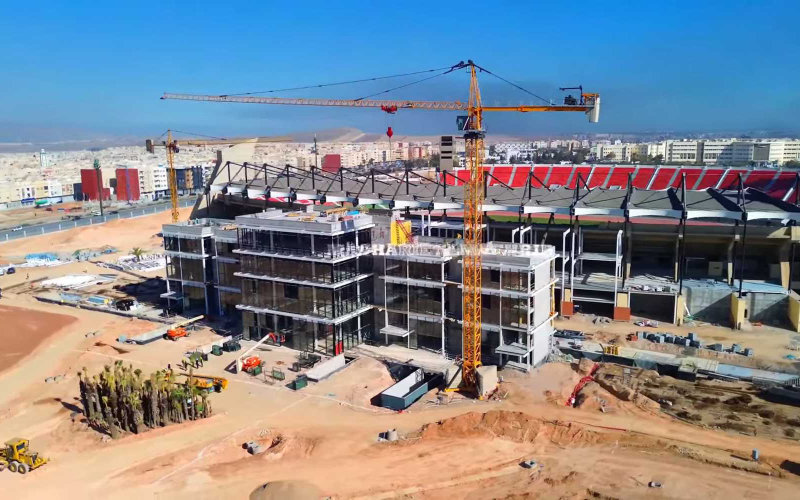
For the Bertelsmann Stiftung, football has taken a central place in the Kingdom’s image strategy since the Atlas Lions’ historic run at the 2022 World Cup. The successful bid with Spain and Portugal to host the 2030 World Cup allows Morocco to show the world the face of a modern, dynamic country capable of organizing the largest international events.
On Bladi.net : Stadiums, Motorways, Factories… but Youth Unemployment in Morocco Still Stands at 37 %
But the German foundation believes that this showcase conceals another reality. In its BTI 2026 Morocco Country Report, it considers that, during the period under review, the authorities placed greater emphasis on international prestige than on sufficiently inclusive development policies. The report focuses in particular on unemployment, inequalities and the persistent difficulties faced by part of the population.
The document does not, however, ignore the progress made. It highlights the modernization of Moroccan infrastructure and the diversification of the economy, particularly in renewable energy and tourism. But it finds that these advances have not been enough to reduce social disparities, amid high prices, pressured wages and particularly high unemployment among young people.
The TGV and stadiums versus healthcare and education
It is when addressing investments that the report becomes particularly critical. Bertelsmann cites major projects such as the TGV, which it says would weigh on public finances while healthcare and education remain insufficiently funded. It applies the same reasoning to the preparations for the Africa Cup of Nations and especially the 2030 World Cup: these events can accelerate infrastructure development and attract investment, it acknowledges, but the priority given to sports facilities can compete with more pressing domestic needs.
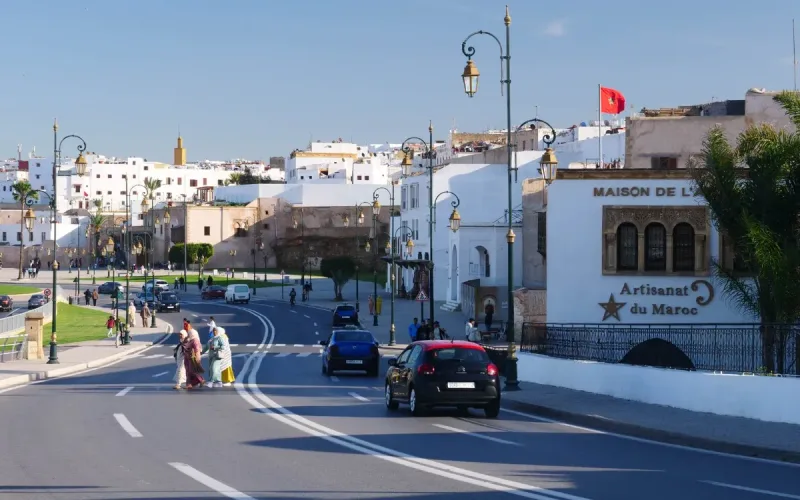
The report also takes Rabat as an example. It refers to allegations of demolitions and evictions in the L’Océan district, as well as a road project linking Agdal-Riyad to Souissi that would threaten part of the campus of the Hassan II Agronomic and Veterinary Institute, including several student residences. Bertelsmann links these urban transformations to preparations for major international events and questions their social cost.
The assessment is therefore paradoxical: the report recognizes Morocco’s real ability to modernize its infrastructure and strengthen its international standing, but considers that this external success also widens the gap with the everyday concerns of part of the population. For Bertelsmann, it is precisely this gulf between the image of modernity projected abroad and the country’s domestic economic and social situation that constitutes one of the risks for the coming years.
On Bladi.net : Morocco World Cup 2030: Stadium Security and Supporter Safety
One clarification is important: even though it bears the year 2026, the BTI analyzes the period from February 1, 2023, to January 31, 2025. It therefore does not take into account developments that have occurred in Morocco since that date. The Bertelsmann Stiftung’s Transformation Index assesses democracy, the economy and the quality of governance every two years in 137 countries.