2026 Elections: The Puzzle of the Political Participation of Moroccans Abroad
Less than a year away from the 2026 legislative elections, the debate on the political participation of the diaspora is resurfacing. Between procedures deemed complex by expatriates and a Ministry of the Interior that passes the ball to political parties, the gap seems to be widening.
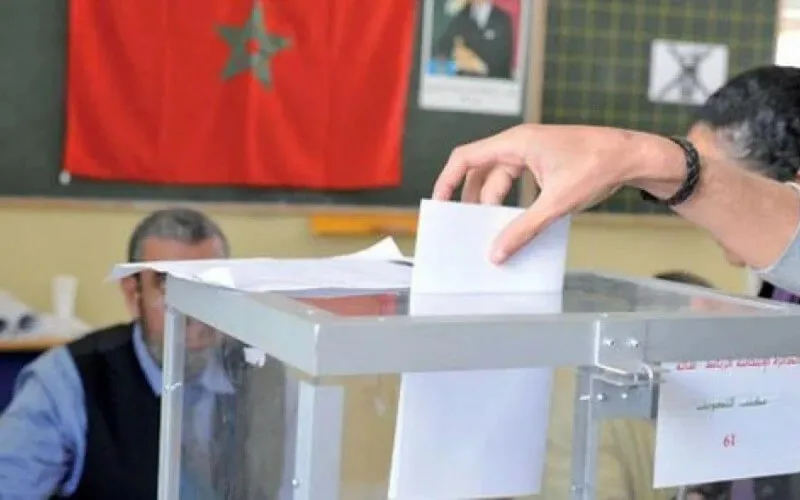
While Moroccans residing abroad (MREs) are demanding full political citizenship, the reality on the ground remains marked by technical obstacles and a perceived lack of political will.
The position of the Ministry: the ball is in the court of the parties. For the Ministry of the Interior, the legal framework is ready. Abdelouafi Laftit assures that the texts governing the 2026 elections already contain measures to simplify registration on the lists and facilitate voting. However, the minister qualifies: the administration cannot do everything. According to him, the political integration of the diaspora depends above all on the commitment of political parties. He urges them to place candidates from the diaspora at the top of the lists, the only real guarantee of their access to Parliament.
On the MRE side, the tone is quite different. Activists denounce archaic procedures that discourage massive participation:
• Proxy voting: Considered complex and discouraging, it requires the voter to mandate a citizen residing in Morocco.
• Lack of remote voting: Unlike other nations (such as Canada or Finland cited as examples), Morocco still does not allow electronic voting or direct voting in consulates for legislative elections.
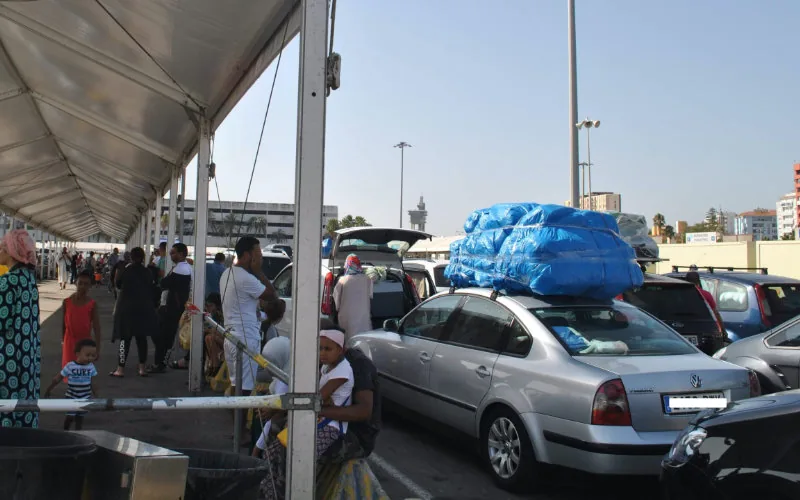
• The obligation to travel: For many, the alternative is to return to Morocco on election day, a major logistical and financial constraint.
Selma Regragui, active within the Moroccan community in Canada, interviewed by Hespress, deplores that MREs are considered a windfall of foreign exchange, but marginalized when it comes to democracy. She advocates for the creation of constituencies dedicated to abroad or even a specific political party for the diaspora.
For Younes Ijiri, a resident of Finland, the solution lies in modernization: secure electronic voting and ballot boxes in consulates. He agrees with the ministry on one point: political parties lack seriousness and should actively recruit list leaders from the diaspora’s skills to mobilize this electorate.