It is easier to wear a kippah in Morocco than in Brussels
Faced with the resurgence of anti-Semitic acts in Europe, the Jewish community of Brussels is expressing its growing concern. A Brussels merchant of Moroccan origin highlights the striking security contrast between the Belgian capital and his native country.
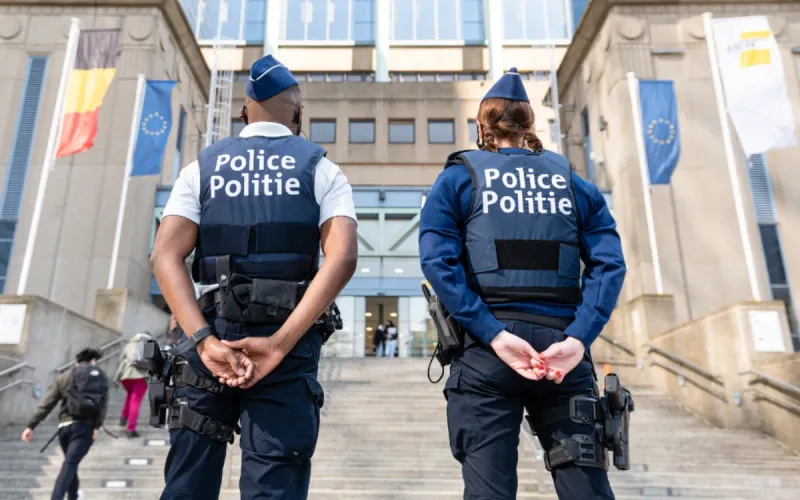
The climate has become considerably heavier in Belgium since the events of October 7, 2023. According to the latest report from Unia, the public institution fighting discrimination, the country recorded 232 anti-Semitic acts in 2025. These figures represent a drastic increase of 80% compared to the 129 cases documented the previous year. Faced with this threat, including recent attacks on synagogues and Jewish schools across Europe, the Belgian government has deployed the army to secure places of worship and educational establishments of the community.
On Bladi.net: Brussels: 6.5% of police officers have Moroccan origins
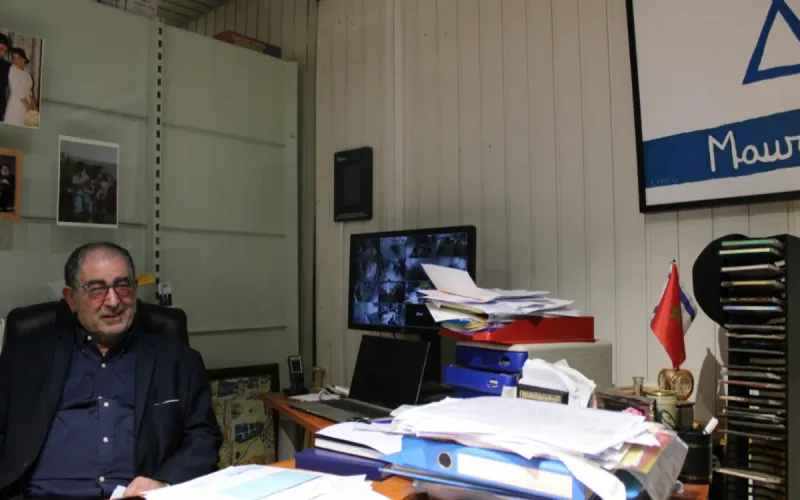
To illustrate this growing sense of insecurity, the media The Brussels Times collected the testimony of Maurice Tal. This merchant, who runs the Moroccan Jewish community of Brussels, does not hesitate to make a sharp comparison. He bluntly states that it is now "easier to walk around with a kippah in Morocco than in Brussels". In his office, where the Moroccan and Israeli flags stand side by side, he salutes the firmness of King Mohammed VI, recalling that "the King has always insisted that Jews must be safe".
The Jewish community of Brussels, less visible and more dispersed than the historic Orthodox community of Antwerp, adopts avoidance strategies. Maurice Tal explains that security depends heavily on the neighborhoods frequented. "If I go to Brussels-Midi with a kippah, I won’t say I’d risk my life, but I could get insulted," he confides, noting that some members even avoid speaking Hebrew on the street for fear of attacks.
This deleterious climate is pushing many families to rethink their future in Belgium. Avi and Nehama Tawil, long-time residents, note that the faithful remove any visible sign of religious affiliation and scan the emergency exits in synagogues. Tired of this trivialized violence and this anxiety-provoking climate, Nehama Tawil admits that her four children "will not live here" and that they have already left the country or plan to do so soon.
On Bladi.net: Racism and "dual allegiance": The ordeal of police officers of Moroccan origin in Brussels
Experts point to the systematic importation of the Middle Eastern conflict and the weight of stereotypes. An Ipsos poll conducted in July reveals that 40% of Brussels residents believe that Jews control the finance and banking sectors, while 22% do not consider them to be fully-fledged Belgians. Faced with this widespread confusion, local institutes recommend strengthening historical education and adopting clear definitions to effectively combat these persistent prejudices.