Eid al-Fitr: towards the normalization of public holidays in Europe?
In the Netherlands, Eid al-Fitr is gradually establishing itself as a common day off. Faced with an increasingly diverse society, companies and schools are adapting their regulations to facilitate this Muslim religious celebration.
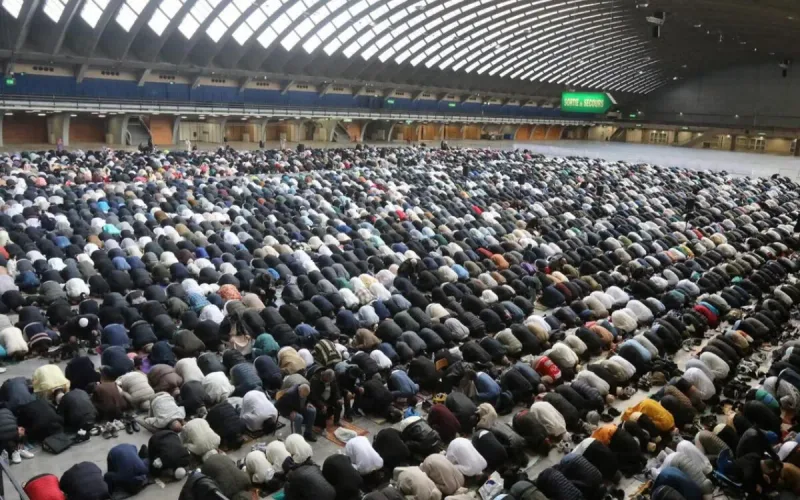
The world of work perfectly illustrates this evolution. According to the FNV trade union, 75 collective agreements, or about 11% of the national total, now allow the exchange of a Christian holiday for another religious date, compared to only 51 two years ago.
On Bladi.net: Official: The crescent moon observed, Eid Al Fitr in Morocco is set for Friday
Pascal Besselink, a labor law lawyer, observes this change on a daily basis. "Society is becoming more diverse, the demand is increasing therefore," he explains in the columns of the AD. Large groups like ING, Rabobank or KPN thus offer a "diversity leave" or the exchange of an official date.
For the General Association of Employers (AWVN), the traditional calendar is losing its exclusivity. This flexibility proves particularly practical for companies operating continuously, allowing an employee to be absent for the end of Ramadan while working at Christmas.
In education, although Eid is not an official public holiday, school administrations are adapting. To curb absenteeism, establishments in Utrecht or The Hague strategically plan study days or days without exams during this period.
On Bladi.net: The date of Eid el-Fitr 2026 in Morocco is known
Other school foundations, particularly in the Limburg region, prefer to grant absences upon prior request. To accompany this underlying movement, the Ministry of Education will soon launch an experiment offering primary schools more autonomous management of their holidays.