Electrical engineering graduate in Morocco, Mohamed swims across and ends up on the streets of Ceuta
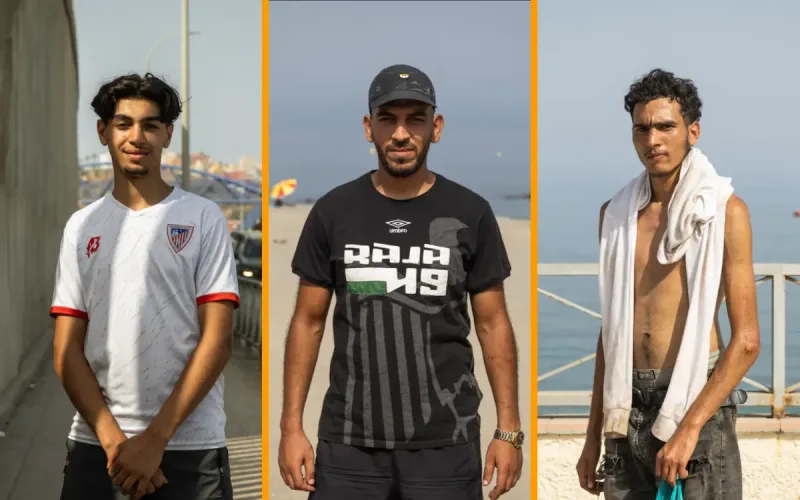
At 26, Mohamed holds a degree in electrical engineering and was working in Morocco. On 30 July, he left Fnideq by swimming to reach Ceuta. Fifteen days later, he is still sleeping outdoors and depends on food distributions.
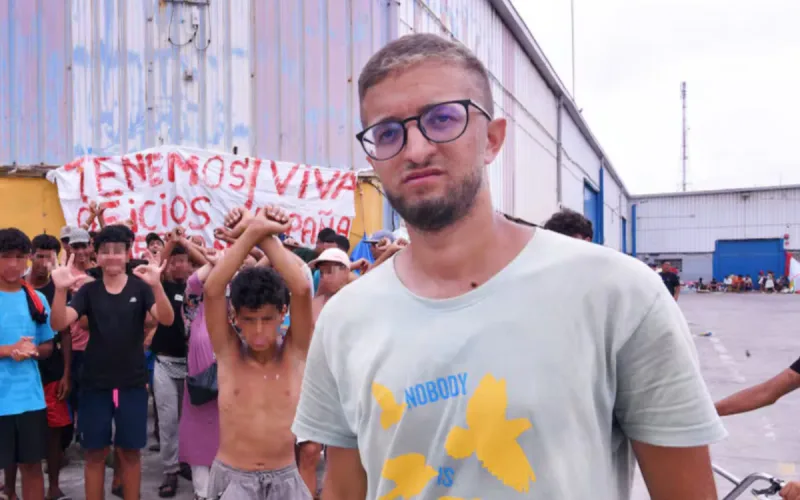
Mohamed was neither untrained nor unemployed. Before leaving, the young man worked in a factory in Tétouan, twelve hours a day and six days a week, for around 300 euros a month. It was a situation in which he saw no possibility of building his future, he says in a report published by El País.
On Bladi.net : 1,200 dirhams a month, then swimming to Ceuta: why they left
Originally from Fnideq, directly opposite Ceuta, he had already attempted the crossing a year earlier before being intercepted by the Moroccan police. On the morning of 30 July, after learning that people were managing to reach the Spanish city by swimming, he decided to try his luck again. At 9 a.m., he found himself on the other side of the border.
His parents had themselves worked in the Tarajal commercial area before the pandemic. The closure of the border had brought an end to their work and income. Mohamed now says he feels like his family’s “hope.”
Yet the reality of Ceuta is very far from what he had hoped for. He spent his first night in the hills, not knowing where he would sleep or what he would eat the next day. The following day, with no shower available, he washed in a stream and drank its water, which caused him stomach pains.
From an engineering degree to daily survival
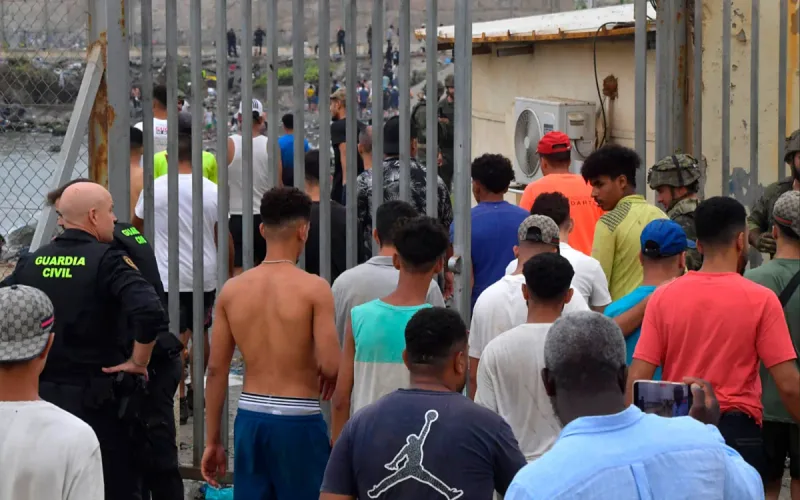
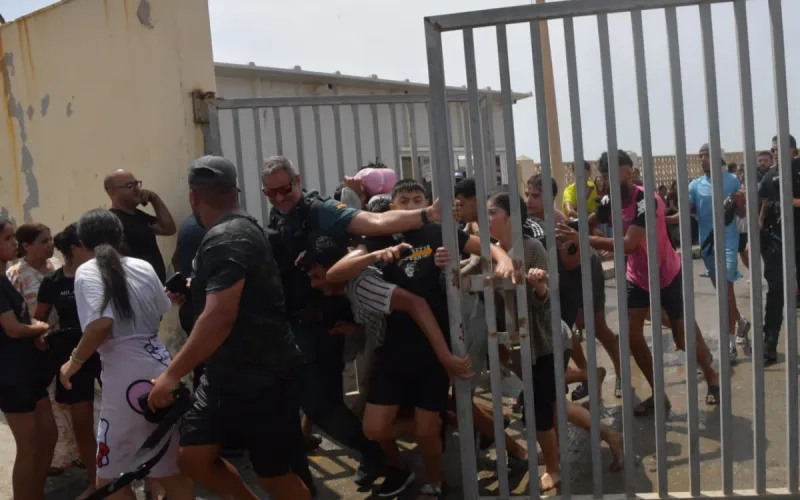
Mohamed eventually reached the Tarajal industrial area, where hundreds of migrants sleep in or around former commercial premises. Some have mattresses or blankets; others, like him, sleep directly on the ground.
Once a day, the NGO Luna Blanca distributes food. For many, it is the only meal of the day. Mohamed describes entire days devoted to finding something to eat and a daily life consisting of bread, mortadella or portions distributed by volunteers.
The announcement of possible returns to Morocco further increases his anxiety. On 11 August, after eating only a small portion of pasta with tomato sauce, he explains that in the evening he thinks about the possibility of being sent back to Morocco and cries over it.
Along with other migrants, he takes part the next day in making signs to remind people that they have professions, know how to work and are asking for a chance to do so. Yet two weeks after leaving Morocco, Mohamed remains without housing and without knowing what awaits him.
On Bladi.net : Tragic Discovery: Teen Migrant’s Body Found in Moroccan Waters Near Ceuta
As he leaves the journalists, exhausted, the young graduate makes only one request: “Please, don’t leave me here.”