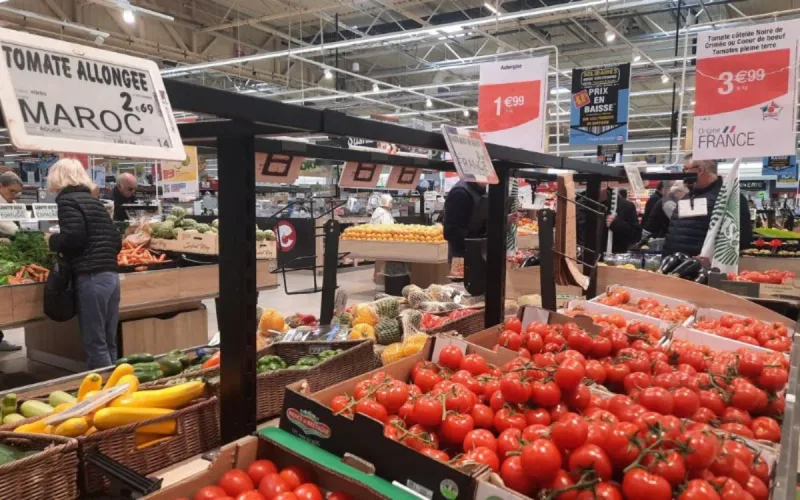
Morocco
France Seeks to Limit Moroccan Agricultural Imports
Moroccan agricultural exports to France risk falling due to a new law aimed at introducing “mirror clauses” for agricultural imports from third countries.

Moroccan agricultural exports to France risk falling due to a new law aimed at introducing “mirror clauses” for agricultural imports from third countries.

Morocco’s trade deficit widened by 6.5% at the end of November 2024, reaching 275.74 billion DH against 261.36 billion DH in the same period of the previous year, according to figures from the Office des Changes. Moroccan exports, on the other hand, only grew by 5.2% in the first eleven months of 2024, while imports jumped by 5.7%, further exacerbating this situation.
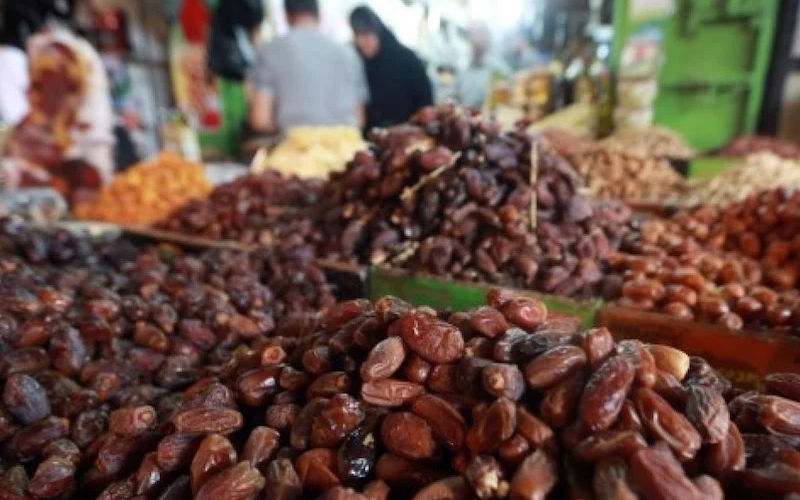
Morocco is consuming more and more Tunisian dates. Last December, the Kingdom of Morocco became the leading importer of this fruit, absorbing nearly 20% of Tunisian exports.

The year 2024 proved to be complicated for trade relations between Tunisia and Morocco. Tunisian exports to the kingdom recorded a constant decline throughout the year, according to figures from the National Institute of Statistics in Tunisia.
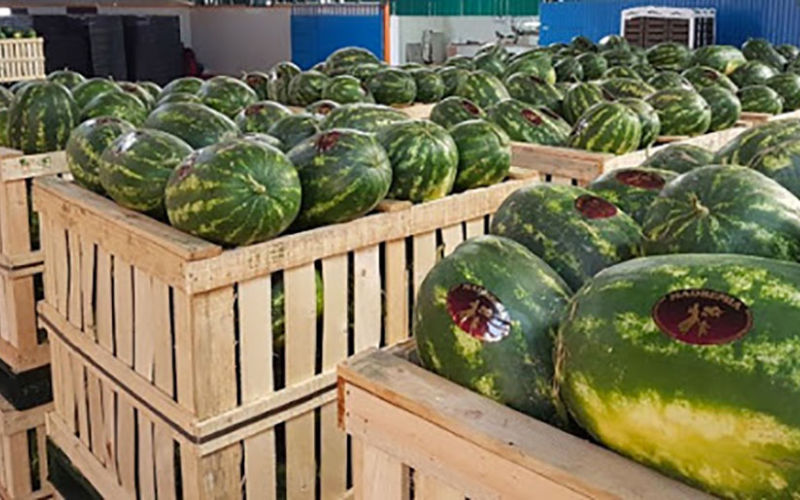
Moroccan watermelon exports have experienced a record decline in the first ten months of 2024, reaching only 113,500 tons, the lowest level since 2017. The persistent drought and cultivation restrictions in certain regions of the kingdom would explain this decline.

Moroccan importers and Turkish exporters are suspected of customs fraud. The Moroccan customs are conducting in-depth investigations.
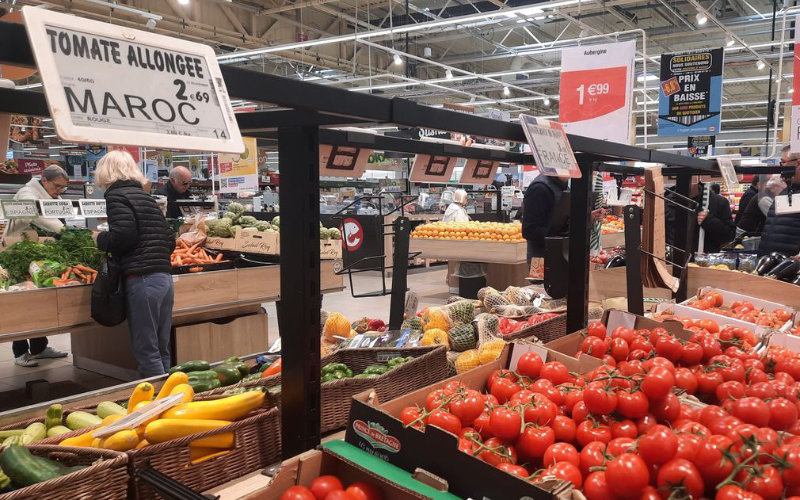
Moroccan tomato exports to Europe have increased considerably. Conversely, the Netherlands and Spain, historically leaders, are recording a decline in their export volumes.
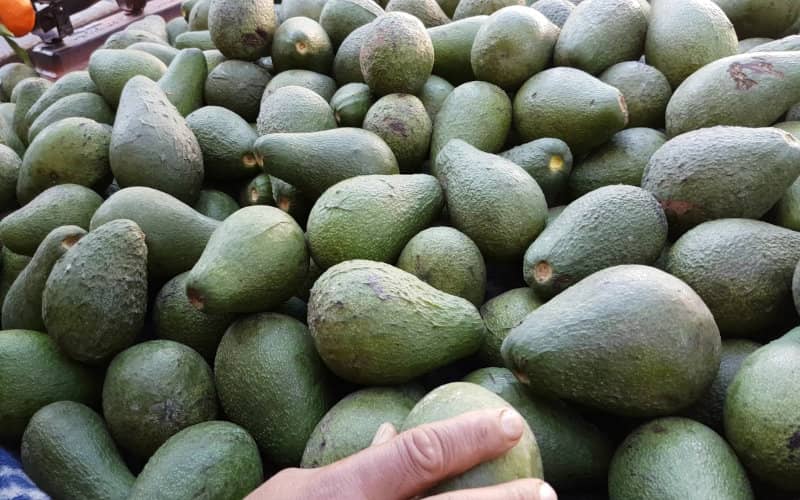
Morocco continues to flood the European market with its avocados. Between October and December 2024, the kingdom exported no less than 42,000 tons of this product to the EU. Figures that are likely to rise by April.

Trade between Morocco and Spain exploded in 2024, despite the absence of customs in Ceuta and Melilla. Proof that relations between the two countries continue to strengthen.

The fungus Erysiphe vaccinii, responsible for the disease known as powdery mildew, threatens blueberry production in Morocco and worldwide. This is revealed by a study conducted by North Carolina State University.

On the sidelines of a launch event organized in partnership with the Moroccan Confederation of Exporters (ASMEX) and the Moroccan Agency for Investment and Export Development (AMDIE) in Casablanca, Alibaba, the Chinese e-commerce giant, has officially entered the Moroccan market.
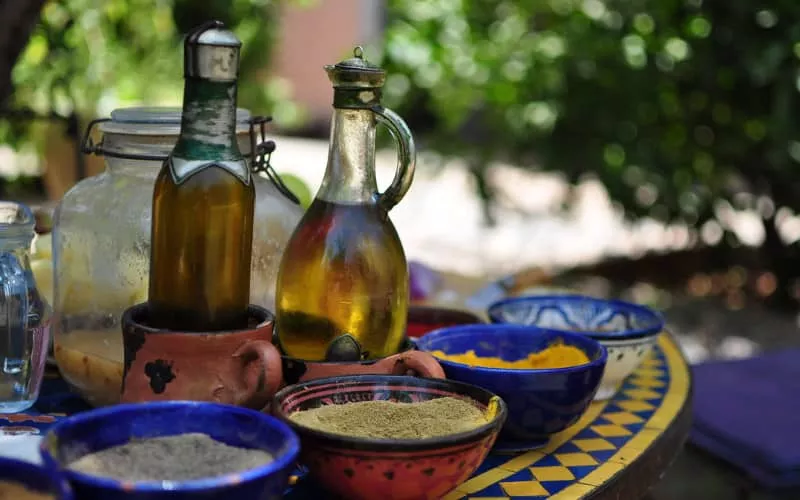
Faced with the drop in olive production and the sharp rise in the price of olive oil, Morocco is turning to Spain, Tunisia, Italy and France to import virgin and extra virgin olive oil.