Morocco
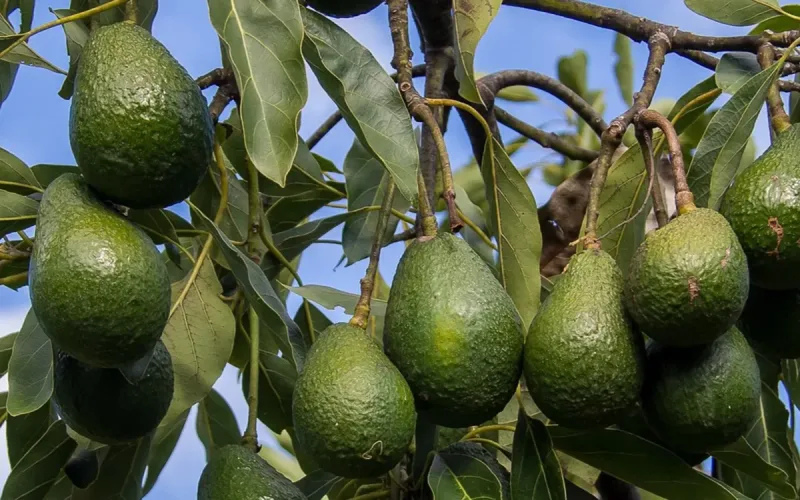
Moroccan avocado crisis: 50% production drop explained
Morocco’s avocado sector experienced a difficult 2025-2026 season. Production remained below 70,000 tonnes, while exports reached 50,000 tonnes, down approximately 50%.

Morocco’s avocado sector experienced a difficult 2025-2026 season. Production remained below 70,000 tonnes, while exports reached 50,000 tonnes, down approximately 50%.
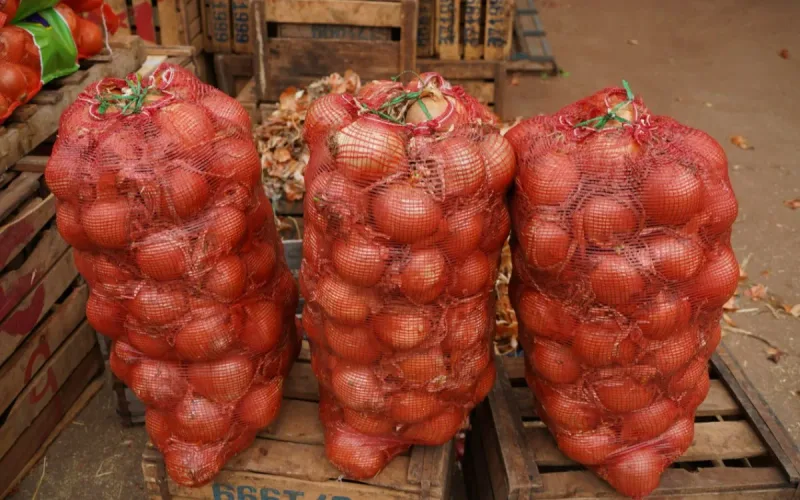
Morocco, usually a supplier of onions to West Africa, had to import massively this season. Poor harvests, low stocks, and rising prices have reversed trade flows in favor of the Netherlands, Spain, and France.

Fresh strawberry exports from Morocco hit historic lows . Between October 2025 and April 2026, Morocco shipped only 8,700 tonnes, half the volume of the previous season.
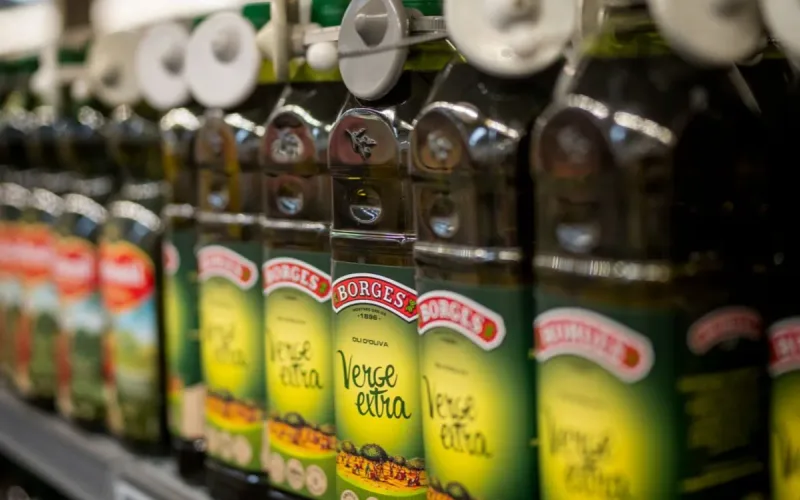
Moroccan olive oil exports to Spain exploded in early 2026 . But behind the spectacular surge in volumes, the Moroccan product remains a limited supplier for a market dominated by Spanish olive oil power.
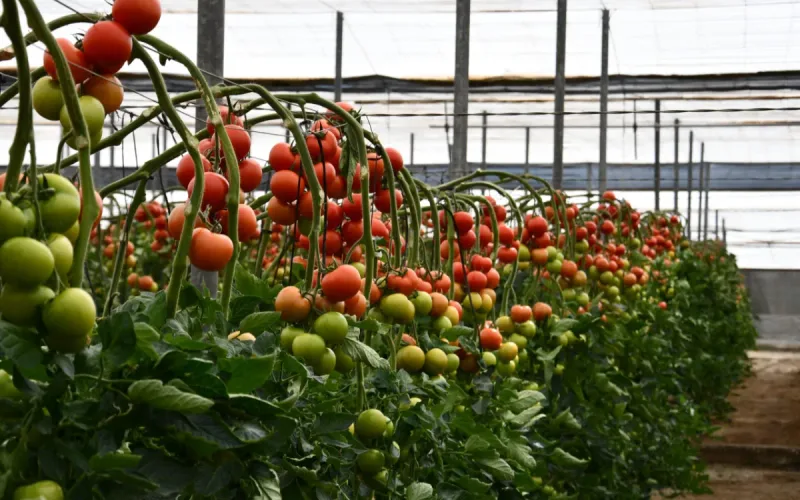
Spain is concerned about Morocco’s growing power in the global tomato market. In less than ten years, Moroccan exports have increased significantly , while Spanish sales have plummeted, to the point of shifting the balance between the two countries.

Remittances from Moroccans residing abroad continue to grow. By end of May 2026, they exceeded 50 billion dirhams, confirming the still decisive weight of the diaspora in Morocco’s financial balance.
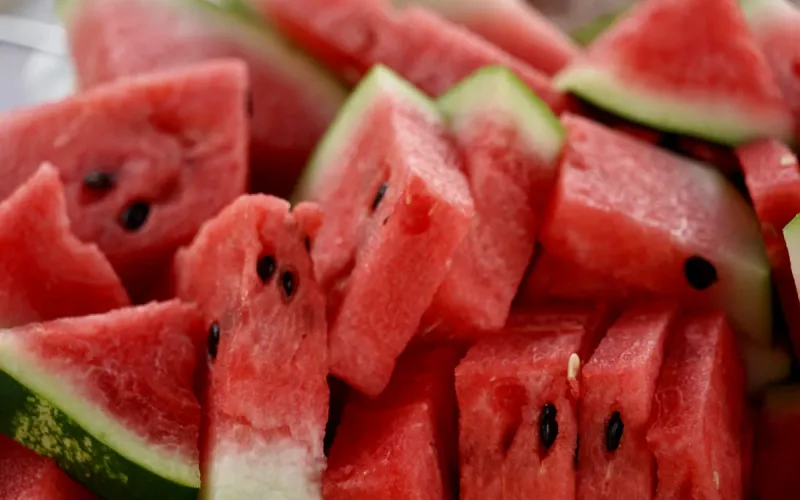
The massive arrival of Greek, Italian and Spanish watermelons in Europe is causing prices to plummet. Faced with this fierce competition, Moroccan exporters are suspending their shipments, betting on upcoming heat waves to revive consumption.
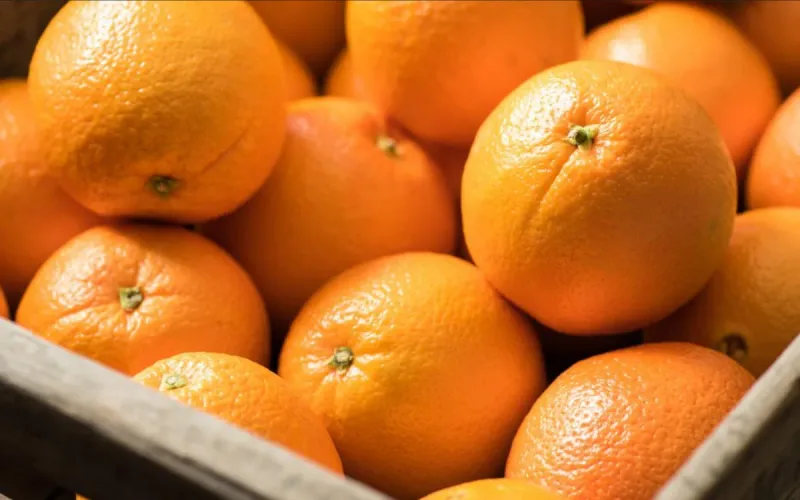
Moroccan orange exports to Germany are recording unprecedented volumes for the 2025-2026 season. This exceptional momentum is reshaping a market traditionally dominated by Spain and bringing Morocco closer to the top 5 suppliers.
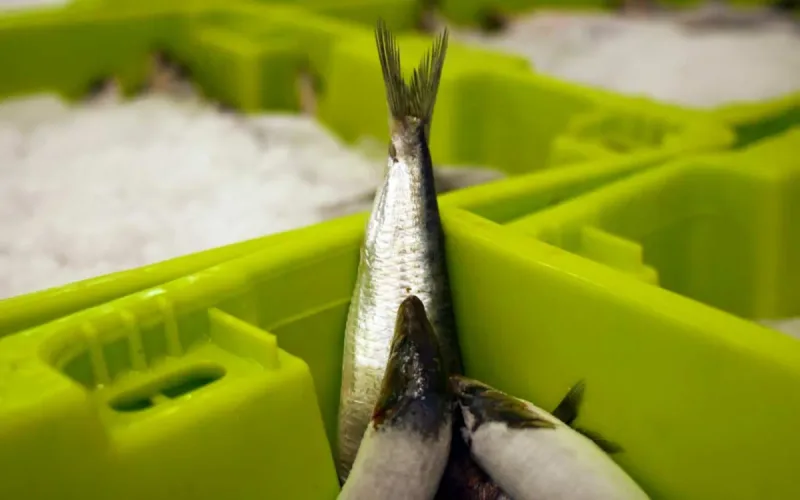
As Morocco limits its frozen fish exports since February 2026, demand is exploding in France. To stock shelves under siege, French canning factories are deploying formidable adaptation strategies .

Despite government incentives, Moroccans residing abroad (MREs) struggle to invest in Morocco. In Parliament, deputies alert on paralyzing bureaucratic delays, where entrepreneurs waste more time in administrations than designing their projects.
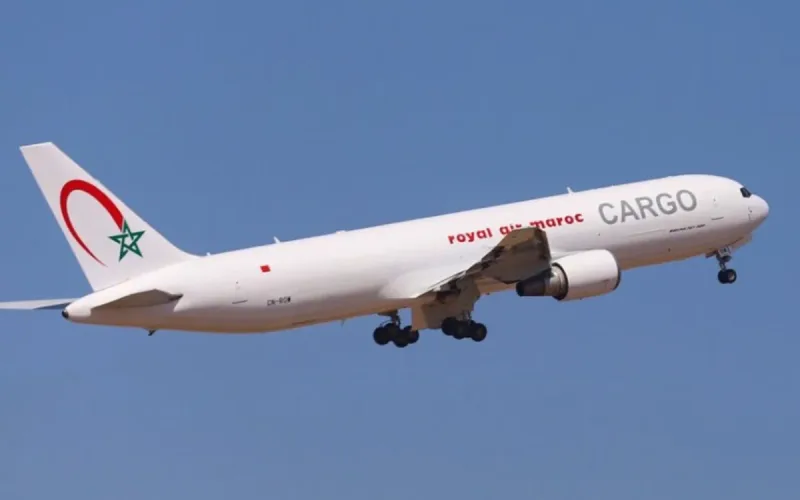
Royal Air Maroc Cargo wants to strengthen Casablanca’s role in trade between Asia and Africa . The airline is betting on high value-added goods, such as electronics, industrial products, e-commerce orders or time-sensitive cargo.
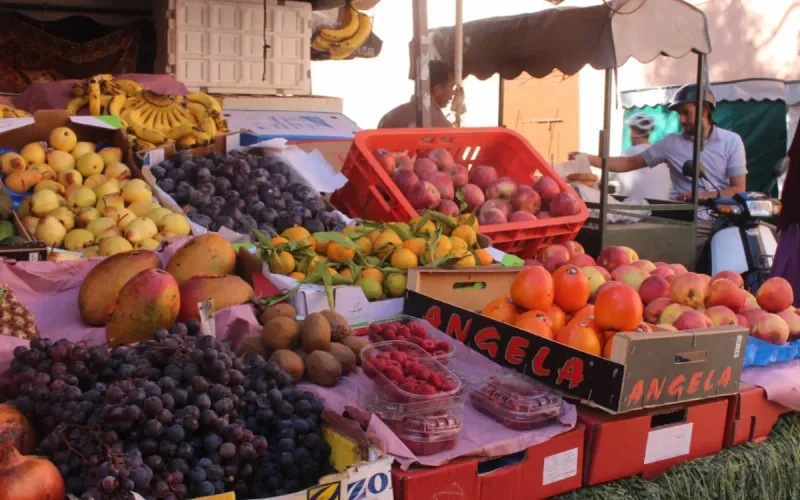
Vegetable prices are dropping drastically on Moroccan markets. This spectacular decline masks temporary overproduction linked to climatic and calendar factors, pushing farmers to sell their harvests below production costs.