800,000 fewer tonnes of olives, but prices are not expected to soar in Morocco
Moroccan olive production could fall by 40% during the 2026-2027 campaign. Applied to the record figure of two million tonnes, this forecast would represent approximately 800,000 fewer tonnes, without causing a shortage, according to industry professionals.
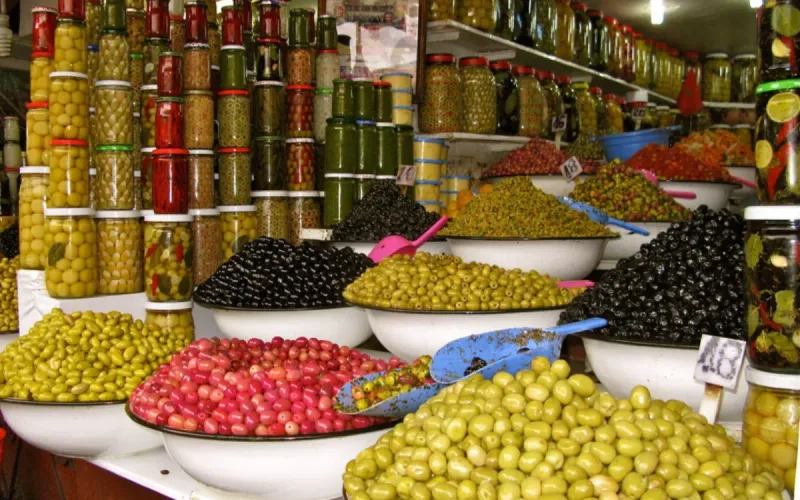
Approximately two months before the start of the harvest, the Moroccan Interprofessional Olive Federation expects a campaign that will be significantly less abundant than the previous one.
On Bladi.net : Morocco’s Olive Oil Exports Surge as Domestic Prices Soar
Its president estimates that production could decrease by around 40% in one year.
If this estimate is confirmed, Morocco would produce around 1.2 million tonnes of olives during the 2026-2027 season.
A decline magnified by an exceptional year
This spectacular drop must be viewed in context. The previous campaign set a record, with production reaching two million tonnes, up 111% from the previous year.
The next harvest would therefore not necessarily mark a return to the crisis experienced during the drought years. It would also represent a decline following an exceptionally productive season.
The Interprofessional Federation says that this decrease should neither cause a shortage nor drive up prices. It is counting on the reserves built up from the last harvest to continue supplying the market.
However, this assurance should be regarded as an industry forecast, not a guarantee. The precise volume of available stocks has not been disclosed.
The price of oil will also depend on the olives’ yield at the time of pressing, their quality, harvesting costs and changes in demand.
On Bladi.net : Morocco Olives: Record Harvest Revives Industry After Two-Year Crisis
Morocco could therefore produce nearly 800,000 fewer tonnes of olives without automatically experiencing another surge in prices. According to industry professionals, the record harvest of the previous campaign would continue to protect the market’s supply.