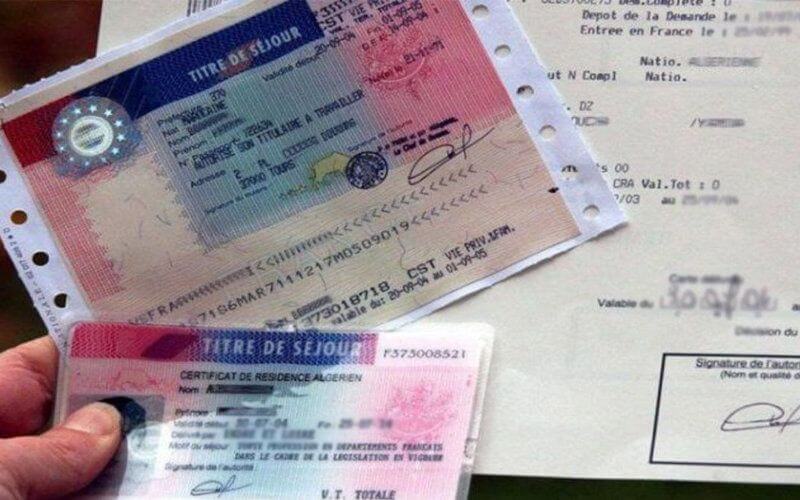
France Regularizes Workers in Shortage Occupations, but a Franco-Moroccan Agreement Closes the Door
The special procedure allowing certain undocumented immigrants working in a shortage occupation to obtain a residence permit does not directly apply to Moroccans. Their situation remains governed by the 1987 Franco-Moroccan agreement, the courts have just confirmed.

A Moroccan woman who claimed to have been living in France since 1999 and working there since September 2021 experienced this firsthand. The prefect of Hérault had refused to regularize her, before ordering her to leave French territory and imposing a one-year re-entry ban.
On Bladi.net : Immigration Lawyer Warns of Misinformation on New French Work Visa Rules
She notably criticized the administration for failing to examine her case in light of the new regularization procedure for shortage occupations.
Created by the immigration law of January 2024, this pathway allows an irregularly staying foreign national to apply personally for an “employee” or “temporary worker” residence permit.
They must notably prove three years of residence in France and twelve months of employment during the previous two years in an occupation and geographical area where recruitment is difficult.
The Franco-Moroccan agreement blocks the special procedure
In its ruling, the Toulouse Administrative Court of Appeal held that this procedure cannot be directly invoked by Moroccan nationals.
The conditions for issuing their employee residence permits are already governed by the Franco-Moroccan agreement of October 9, 1987. This specific text takes precedence over the general procedure created for undocumented workers employed in shortage occupations.
The difference is significant: for foreigners who can use this new pathway, the absence of a long-stay visa is not sufficient to cause the application to fail. A Moroccan national cannot automatically claim the same treatment on the basis of this procedure.
This does not mean that Moroccan workers are excluded from all forms of regularization. The prefect retains the power to examine their length of residence in France, their employment, their integration and their personal circumstances in order to exceptionally grant them a residence permit.
Working in a shortage occupation can therefore strengthen a Moroccan national’s case, but does not grant them the specific right created in 2024 for other undocumented workers.
On Bladi.net : France: The prefect wanted to deport this Moroccan cook; he must now give him his papers
In this case, the judges upheld the refusal of residence, the OQTF and the one-year re-entry ban.