Gas in Morocco: Predator begins drilling at Guercif to determine whether commercial production is possible
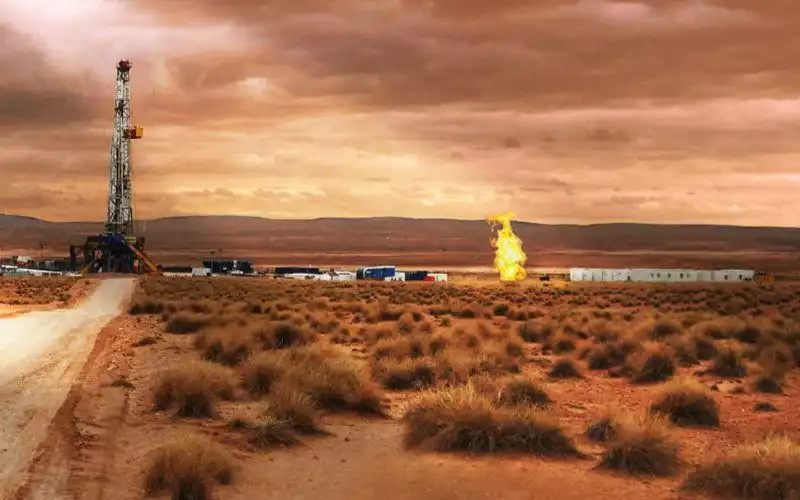
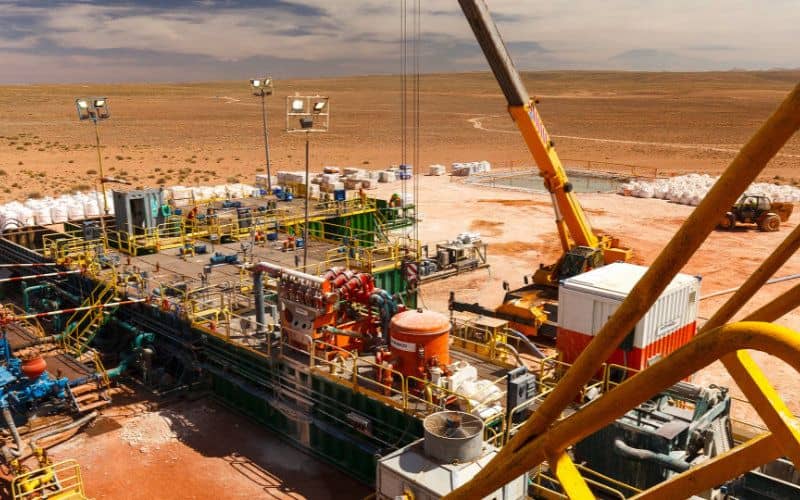
Predator Oil & Gas has begun drilling the MOU-6 well at Guercif. The operation is intended to determine whether the gas already identified in the area can be extracted at a sufficient flow rate to launch initial commercial production.
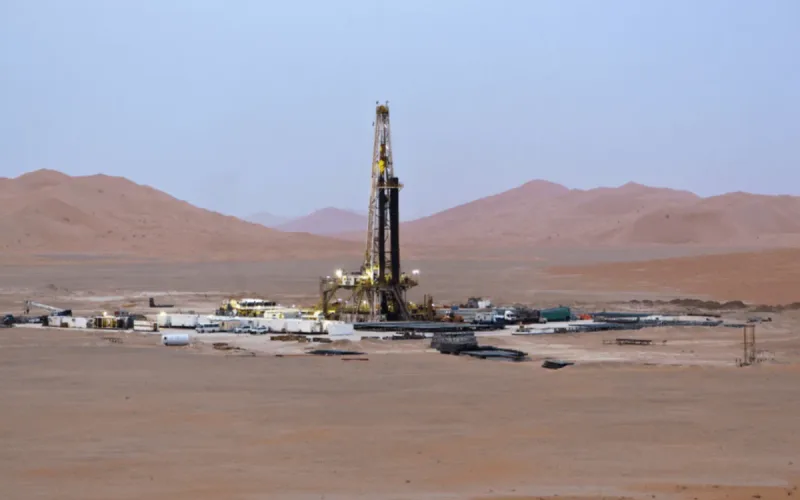
Drilling began on 19 September, and the entire operation is expected to last up to twenty days, Predator announced in a regulatory announcement published in London on 21 September.
MOU-6 is expected to reach a depth of approximately 925 metres. The drilling itself should take between twelve and fourteen days, with the remainder of the schedule devoted to measurements and other operations carried out in the well.
The company, listed in London and based in Jersey, is returning to the gas-bearing formations encountered by MOU-3 in 2023. That previous well revealed several gas-bearing intervals, but damage caused to the formations during drilling prevented their production capacity from being properly assessed.
On Bladi.net : Morocco Oil Exploration Yields Promising Gas Reserves in Northeast
MOU-6 will therefore intersect the TGB-6 and A-Sand reservoirs using a different design. Predator has notably adapted the drilling fluids and pressure management in order to better preserve fine, fragile sands. These precautions draw directly on the lessons learned from the difficulties encountered during previous drilling operations at Guercif.
Gas flow rate will be the real test
According to the independent technical report on MOU-6, the median scenario assigns approximately 123 billion cubic feet of recoverable contingent resources to the two main targets, or nearly 3.5 billion cubic metres.
MOU-6 will also examine the hypothesis of a much larger gas trap covering 81 km². Its median potential is estimated at 664.5 billion recoverable cubic feet, or nearly 19 billion cubic metres. These are, however, unrisked prospective resources: their presence and continuity still need to be demonstrated by drilling.
The first commercial phase envisaged by Predator would be more modest. If the tests are conclusive, the gas could be sold to Moroccan industrial companies as compressed natural gas, transported by truck. The model under consideration is based on production of up to 20 million cubic feet per day.
This solution would make it possible to begin marketing the gas without waiting for the construction of major infrastructure. Higher production could subsequently justify a connection to the Maghreb-Europe gas pipeline, which passes less than ten kilometres from Predator’s wells.
On Bladi.net : British Firm Begins Drilling New Gas Well in Morocco, Eyes Helium Potential
The start of drilling does not, however, yet guarantee production. The decisive result will come from the future flow tests: they will have to show that gas can flow sustainably from the reservoirs to the well in commercially marketable quantities.
Predator considers MOU-6 to be the step that could transform the resources already identified into exploitable reserves. If the drilling and tests confirm expectations, the company will be able to move towards an exploitation concession and finalize financing for an initial gas project at Guercif.