Spanish Imports of Moroccan Produce Surge 30% in Five Years, Led by Watermelon and Tomatoes
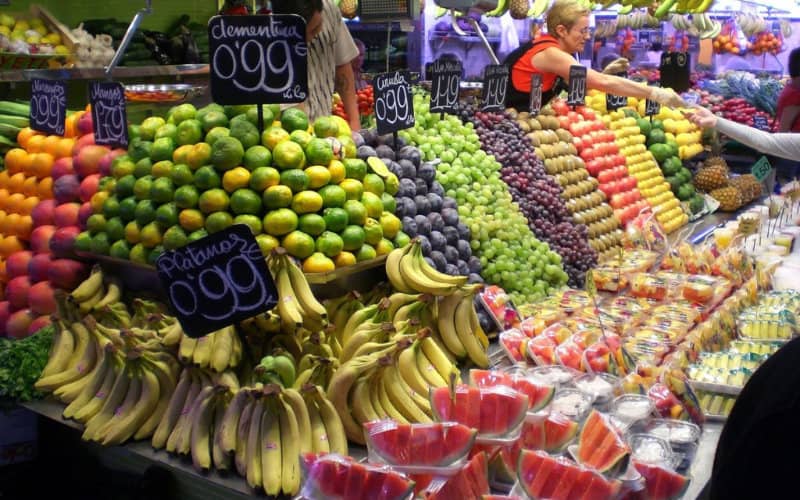
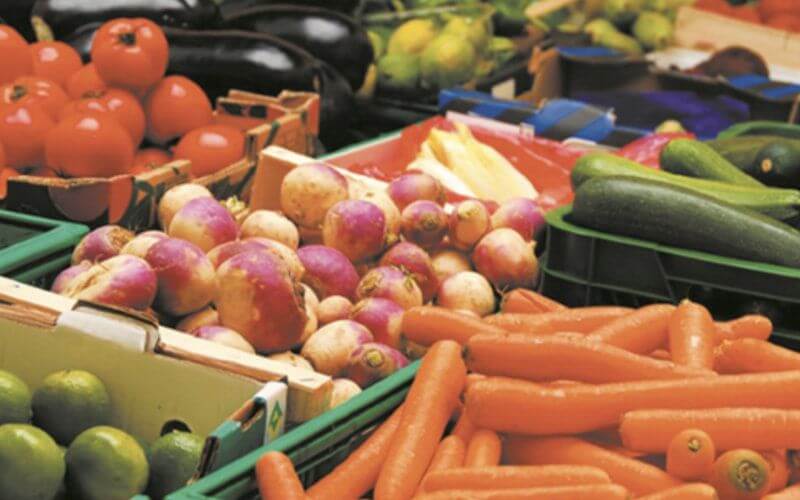
Spanish imports of Moroccan fruits and vegetables, particularly watermelon, tomato, citrus fruits and grapes, have increased by 30% over the past five years.

Spanish imports of Moroccan fruits and vegetables, particularly watermelon, tomato, citrus fruits and grapes, have increased by 30% over the past five years.
After Turkey, Morocco, determined to ensure compliance with the Free Trade Agreements with its partners, has just established negative lists with Tunisia and Egypt, temporarily excluding certain products from the tariff dismantling applied with these countries and subjecting others to a single tax of 17.5%.

Vehicles known as "historic" are now subject to a 2.5% customs duty rate and will be classified under the "Art Objects and Historic Collections" category. This is good news for vintage car collectors, enthusiasts and fans.

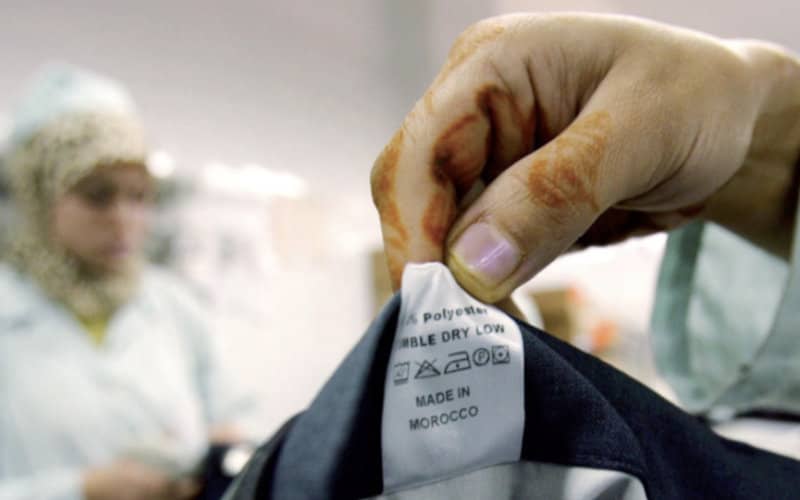
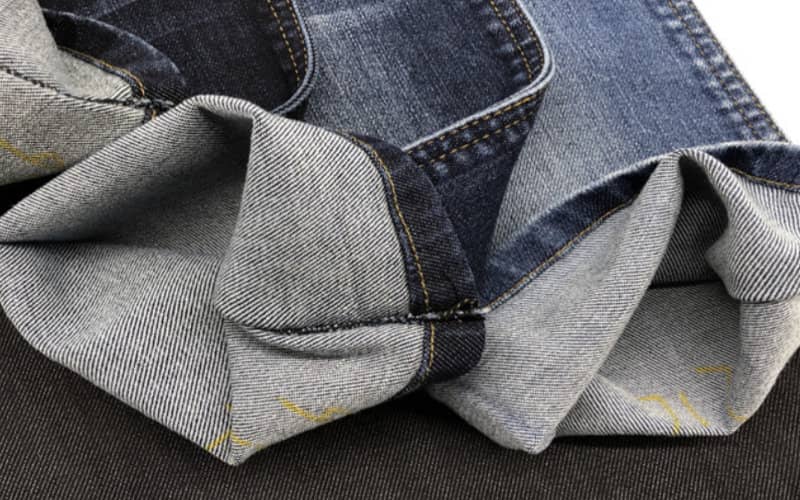
The Moroccan customs authority announced the extension for one year of the safeguard measure on imports of clothing and textile products from Turkey.

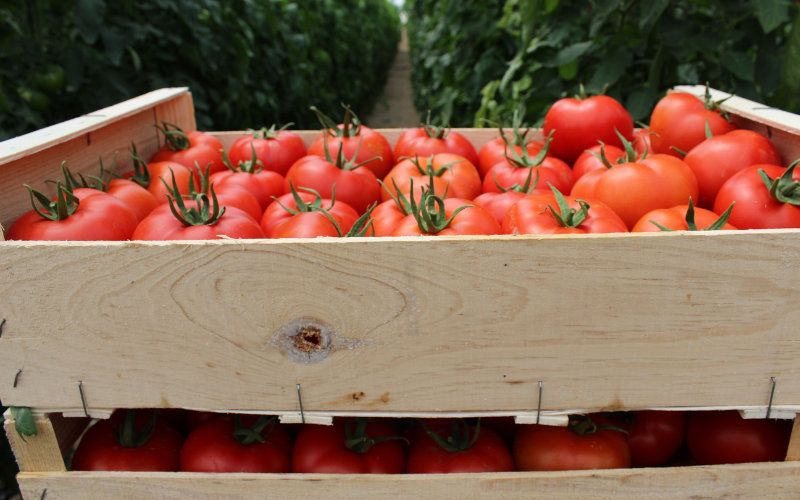
Spain has increased its imports of Moroccan tomatoes by 32.58% and reduced its tomato exports by 20.49% by the end of October compared to the same period in 2018, according to Estacom data.

The rise in table oil prices on the Moroccan market is attributable to "the structure of the market itself" and to "developments in the foreign market on which it is dependent", according to the Competition Council.

Moroccan exports of fruits and vegetables to Spain reached 608 million euros in the first nine months of 2021, or a quarter of Spanish imports.

The automotive market continues its good momentum this year. As of the end of last November, new car sales in Morocco reached 156,920 units, an increase of 8.97% compared to the same period in 2019. The Dacia and Dongfeng Sokon brands still dominate the market in each category.

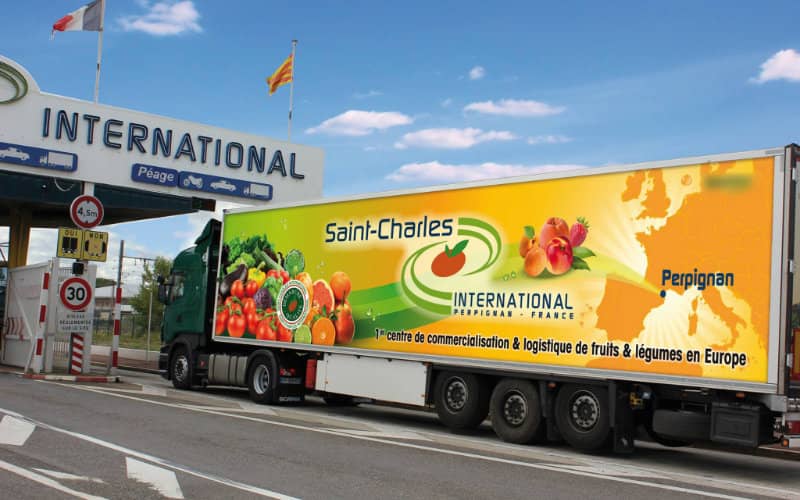
The visa restrictions imposed by the French authorities on Moroccan carriers are also affecting the Saint-Charles international multimodal platform.

Most Moroccans prefer to wear foreign brand clothes, thus neglecting national products. This is revealed by a study carried out by the Averty polling firm for the Moroccan Denim and Fashion Cluster (MDFC).

Franck Riester, Minister Delegate to the Minister for Europe and Foreign Affairs, in charge of Foreign Trade and Attractiveness of France, will make a three-day working visit to Morocco starting next Monday.

The Moroccan government has announced the implementation of measures to ensure the stability of cereal prices on the domestic market.