Morocco is drowning in cash
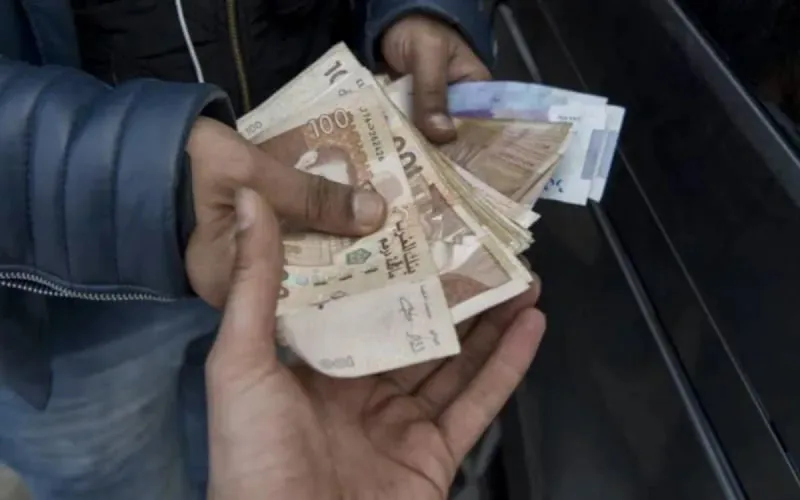
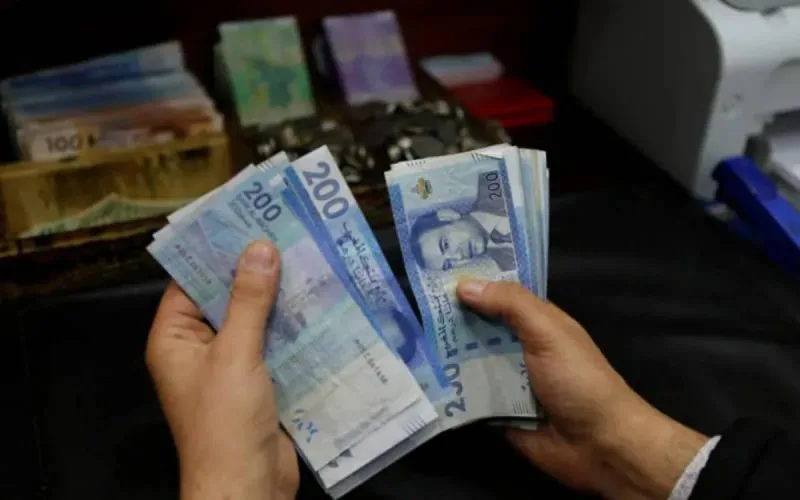
The use of cash in Morocco continues to grow, reaching 30% of Gross Domestic Product (GDP), a trend that is the opposite of the global trend of payment digitalization. According to statistics from Bank Al-Maghrib (BAM), the volume of currency in circulation stood at 475 billion dirhams at the end of October 2025. This predominance of cash concerns 77% of all domestic transactions, a phenomenon rooted in socio-cultural factors and the weight of the informal sector.
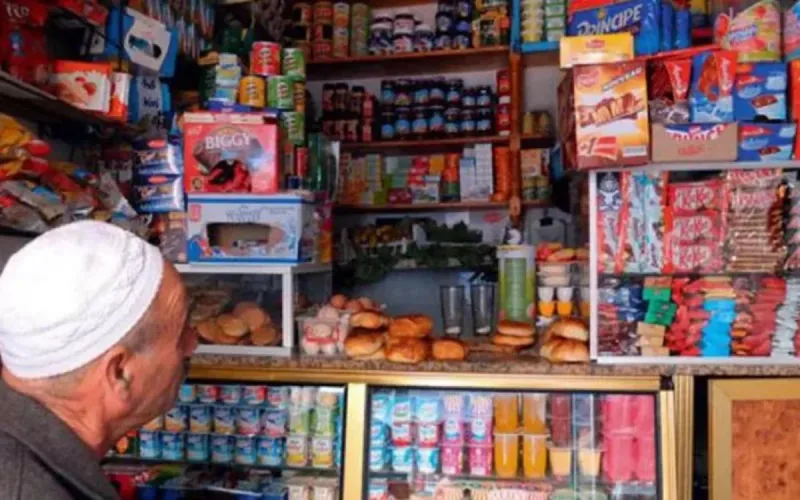
The gap between technological supply and everyday usage remains significant. In 2024, only 10% of electronic wallet holders had activated their account, while the use of bank cards remains marginal for proximity payments. This preference for cash is explained by consumption habits in traditional commerce and souks, but also by a low adoption of electronic payment terminals (POS) by merchants, whose equipment rate does not exceed 13%.
The weight of the informal economy, estimated at one-third of GDP with more than two million production units, massively supports the demand for liquidity. The use of cash makes it possible to avoid tax traceability and circumvent VAT, corporate tax (IS) and income tax (IR). Many structured companies also use this parallel channel for part of their transactions in order to reduce their tax burden, thus depriving the state of significant budget revenues, according to Challenge.
This strong demand for cash currency weighs on the liquidity of the banking system. The liquidity needs of banks have widened to an average of 129 billion dirhams at the end of November 2025. To ensure the supply of ATMs and the financing of the economy, Bank Al-Maghrib had to increase its liquidity injections to 143 billion dirhams. The current regulatory framework still allows for massive withdrawals from branches with a short notice period, a practice that drains bank deposits.
The General Tax Code (CGI) already incorporates several restrictive measures to limit the use of cash. Deductible expenses for IS and IR are capped at 5,000 dirhams per day and per supplier. In addition, a 6% penalty is applied for any cash payment of a transaction equal to or greater than 20,000 dirhams. Taxpayers with a turnover of more than 2 million dirhams are also subject to a stamp duty of 0.25% on cash payments.
The monetary authorities are now considering tightening legislation to align with international standards. A draft legal cap on cash payments is under study, providing for a limit of 50,000 dirhams for businesses from 2026, with a gradual reduction to 20,000 dirhams by 2028. In addition, the 2026 Finance Act introduces an additional registration fee of 2% on real estate or business transfers whose payment method cannot be justified by a banking channel.