Morocco Loan Crisis: 8.9% Non-Performing Debt Risk
Morocco’s banking system remains solid, but 8.9% of loans were classified as non-performing in 2025. These overdue or compromised loans represent a considerable sum of money and are pushing the World Bank to demand a new market to sell them off.
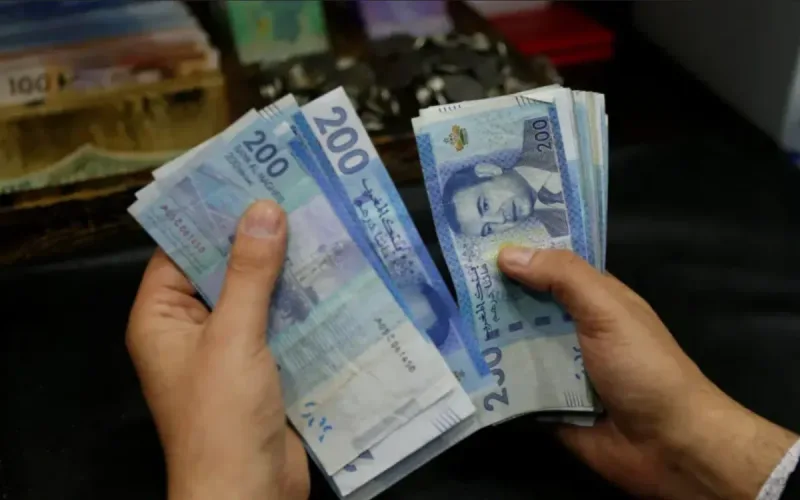
Nearly one dirham lent out of eleven poses a problem in Morocco. Non-performing loans still represented 8.9% of all bank financing in 2025, according to the World Bank’s Report on the Monitoring of Morocco’s Economic Situation.
On Bladi.net : Morocco Banks Profits Surge 22% - Lending Accelerates 2025
This category groups together loans whose repayment is experiencing significant delays or appears compromised. It does not mean that all the money will be permanently lost: some receivables can be restructured, guaranteed or ultimately recovered. Their level nevertheless remains high enough to be considered a point of concern.
The World Bank emphasizes that Moroccan banks maintain adequate levels of capital, liquidity and profitability. The sector is therefore not presented as being in difficulty. However, the accumulation of unpaid debts forces institutions to set aside provisions and ties up resources that could otherwise be used to finance households and businesses.
Moroccan banks want to resell unpaid loans
To reduce this stock, a draft law provides for the creation of a secondary market for non-performing loans. The principle would be to allow banks to sell their difficult receivables to specialized companies, instead of keeping them in their accounts for years.
The bank would immediately recover part of the sum, generally less than the amount originally lent. The buyer would then attempt to negotiate repayment, restructure the debt or mobilize guarantees associated with the loan.
The World Bank considers the establishment of this market "essential". It would not erase borrowers’ debts and would not guarantee fuller repayment, but it would allow banks to clean up their balance sheets more quickly.
The institution points out another risk: the rapid growth of financing granted to public enterprises and structures specially created to carry out certain projects. This development could complicate the monitoring of commitments linked to the State and concentrate a growing share of risks on the same actors.
On Bladi.net : Morocco Household Debt Surges 6.9% in 2025 Record Growth
Morocco’s banking system therefore remains resilient, but the 8.9% of non-performing loans constitute a persistent fragility. The challenge will now be to recover as much as possible of the sums lent without permanently blocking banks’ ability to finance the economy.