Morocco: Teachers Demand a 10,000 DH Bonus as the Public-Sector Payroll Has Already Surged by 54%
Annual bonus of 10,000 DH, Saturdays off, retroactive promotions, erased sanctions: teachers’ new demands are reopening a broader question. While the State’s personnel expenditures have surged by 54% in ten years, how far can public finances go?
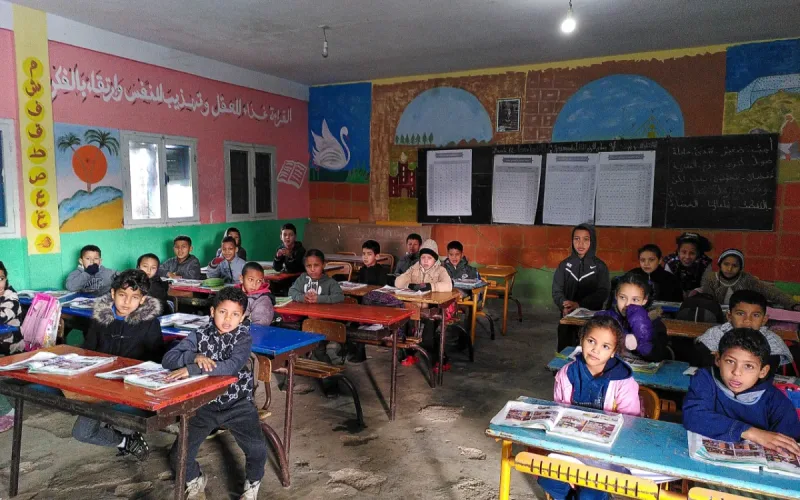
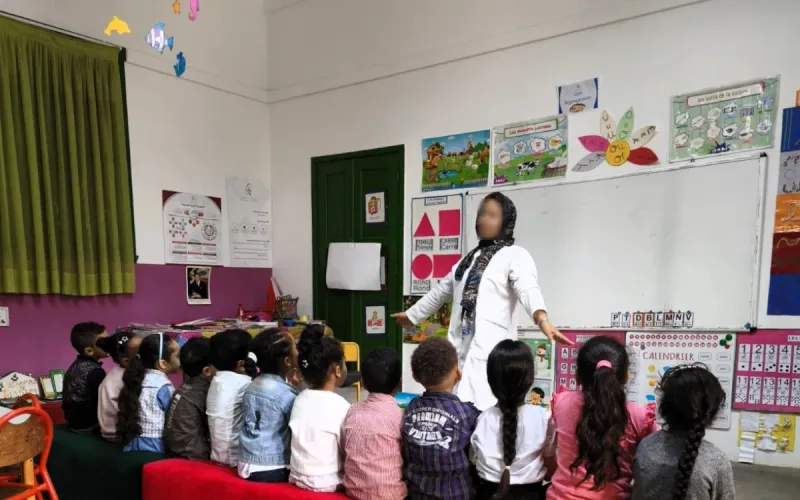
As the 2026 elections approach, the National Education Union (UNE) is asking political parties to include fifteen commitments in their programs. Among them: extending an annual bonus of 10,000 dirhams to teachers at pioneer schools, making Saturday a genuine day of rest, and no longer requiring meetings or training after 4:30 p.m.
On Bladi.net : In Morocco, the average civil servant’s salary reaches 10,600 DH but conceals another reality
The list goes much further. The union is demanding promotions with retroactive administrative and financial effects for certain categories, the regularization of graduates from pay scale 9, the withdrawal of sanctions imposed on teachers suspended during strike movements, and the reinstatement of promotions from which some teachers were allegedly deprived.
Taken separately, each of these demands can be defended. Indeed, defending the material and professional interests of its members is precisely a union’s role. But their accumulation raises a question rarely present in sector-specific demands: how much do all these measures cost when the demands of the Education sector are added to those of other branches of the public service?
The workforce is shrinking, but the bill is rising
The Finance Ministry’s figures give the debate another dimension. The State’s personnel expenditures rose from 116.86 billion dirhams in 2015 to 180.27 billion in 2025, an increase of 54.27%, according to the official report on human resources. During the same period, the number of civilian budget-funded employees fell from 585,503 to 576,062 civil servants.
For 2026, personnel expenditures included in the budget even reach 195.33 billion dirhams. This increase is obviously not solely the result of union demands: recruitment, promotions, salary increases and various social-dialogue measures all contribute to the bill. In recent years, the State has notably granted several salary improvements, including a general increase of 1,000 net dirhams per month, paid in two installments to the staff concerned.
The debate therefore goes beyond the case of teachers. In every sector, demands respond to concrete situations: purchasing power, careers, working conditions or accumulated adjustments. But each occupational group naturally focuses on what it believes it is owed, while public finances must, for their part, add up all the demands.
On Bladi.net : Morocco Teachers Demand Saturday Off and 18-Hour Week
This is where corporatist logic reaches its limit. A bonus of 10,000 dirhams may seem reasonable from a classroom’s perspective; a salary increase may seem so from the perspective of a hospital or public administration. But the State budget never examines them separately. With nearly 195.3 billion dirhams now devoted to personnel, the question is no longer merely which demands are legitimate. It is also to determine how much Morocco can still finance without making someone else pay the bill.